







What's Happening?
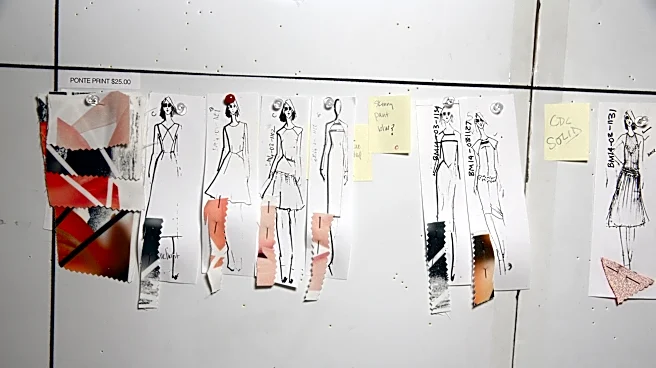
De Montfort University in Leicester is now home to the extensive archive of renowned textile designer Dame Zandra Rhodes. This collection offers an homage to her vibrant career, featuring a wide array of items including sketchbooks made from rice paper,
original silkscreen frames from the 1960s and '70s, finished garments, and personal photographs. Rhodes, known for her distinctive punk style and colorful designs, has made over 70 appearances at London Fashion Week and dressed notable figures such as Freddie Mercury, Cher, and Princess Diana. The university's exhibition allows students and the public to explore her creative process and the evolution of her designs. Students at De Montfort, like Lizzie Howley, are actively drawing inspiration from the archive for their own work, incorporating Rhodes' signature color palette and freeform shapes into their designs. The university, with its rich history in textiles, also offers specialized courses like Footwear Design and a contour fashion course celebrating its 80th anniversary.
Why It's Important?
The establishment of Dame Zandra Rhodes' archive at De Montfort University is significant for several reasons. Firstly, it preserves the legacy of a pivotal figure in British fashion history, making her extensive body of work accessible for future generations of designers, researchers, and enthusiasts. This archive serves as an invaluable educational resource, offering practical insights into design processes, material innovation, and the business of fashion. For De Montfort University, it enhances its reputation as a leading institution for fashion and textile education, attracting talent and fostering creativity. The direct engagement of students with Rhodes' work, as exemplified by Lizzie Howley, demonstrates the tangible impact of such archives on contemporary design education and inspiration. Furthermore, the collection highlights the enduring influence of designers who blend artistic vision with commercial success, providing a blueprint for aspiring creatives. It also underscores the importance of preserving cultural heritage within the fashion industry, ensuring that past innovations continue to inform and inspire future trends.
What's Next?
The Zandra Rhodes archive at De Montfort University is expected to continue serving as a dynamic hub for fashion education and inspiration. Future plans may include rotating exhibitions, workshops, and collaborative projects that delve deeper into specific aspects of Rhodes' career or broader themes in textile design. The university could also leverage the archive to host international conferences or symposia on fashion history, sustainability, or design innovation, further solidifying its role in the global fashion discourse. There is potential for digital archiving initiatives to make the collection more widely accessible to a global audience, expanding its educational reach beyond the physical location. Additionally, the ongoing interaction between students and the archive is likely to foster new interpretations and applications of Rhodes' design principles, ensuring her influence continues to evolve within contemporary fashion. The success of this archive could also encourage other prominent designers to consider similar partnerships with academic institutions, enriching the collective knowledge base of the fashion industry.
Beyond the Headlines
Beyond its immediate educational and historical value, the Zandra Rhodes archive at De Montfort University offers deeper insights into the intersection of art, culture, and personal expression within fashion. Rhodes' career, marked by her distinctive punk aesthetic and vibrant use of color, reflects broader societal shifts and cultural movements from the 1960s onwards. Her ability to blend high fashion with counter-cultural elements, dressing both royalty and rock stars, speaks to the democratizing power of style and its role in identity formation. The archive also implicitly raises questions about the longevity and sustainability of creative work in a rapidly changing industry. By preserving her sketchbooks and original silkscreen frames, it highlights the foundational importance of traditional craftsmanship and artistic process in an era increasingly dominated by digital design. This collection serves as a testament to the enduring power of individual vision and the profound impact a single designer can have on shaping cultural aesthetics and inspiring generations.