
What's Happening?
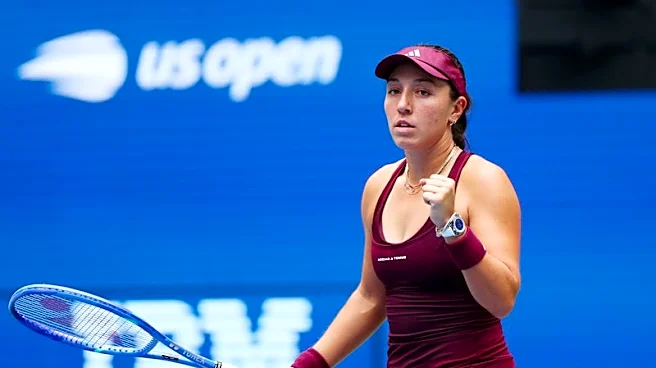
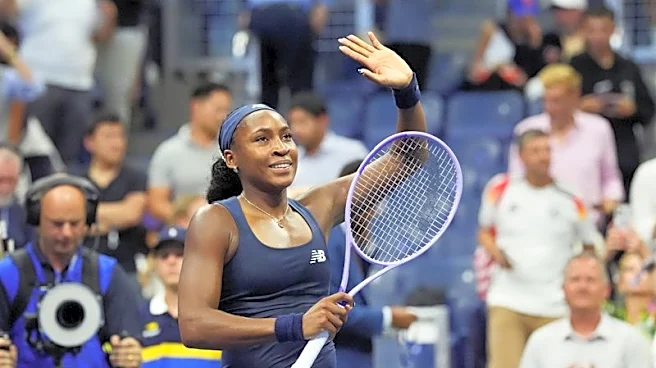
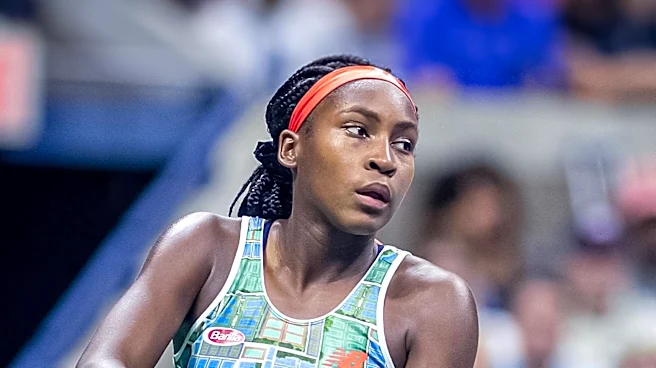
Tennis star Coco Gauff has voiced a diplomatic stance regarding the increasing presence of influencers at the U.S. Open, despite recent disruptions caused by their behavior. During a press conference, Gauff stated that she sees value in attracting a new
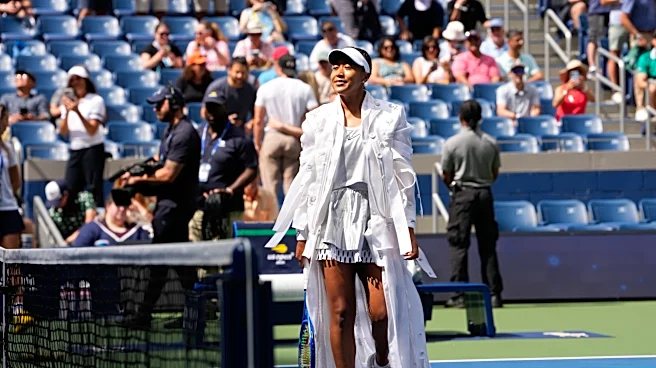
demographic to the sport and has no inherent issue with influencers, many of whom she follows online. However, she emphasized the importance of adhering to venue etiquette, specifically mentioning no flash photography, avoiding loud conversations, and refraining from mouthing TikToks during gameplay. This comes after an incident where a selfie-light photo shoot interrupted Naomi Osaka's first-round match, leading to frustration among traditional tennis fans. Gauff suggested that brands hosting influencers in suites should provide etiquette guidelines to ensure a respectful viewing experience for all attendees and players.
Why It's Important?
The influx of influencers at major sporting events like the U.S. Open highlights a collision between traditional sports culture and modern digital media. While influencers can broaden the sport's appeal to younger, digitally native audiences, their presence also introduces challenges related to maintaining decorum and respecting the integrity of the game. Gauff's comments underscore the delicate balance between growing the sport's audience and preserving its established traditions and etiquette. This situation impacts event organizers, who must navigate how to integrate new media personalities without alienating long-time fans or disrupting athletes. It also raises questions about the commercialization of sports events and the responsibilities of brands that invite influencers, suggesting a need for clearer guidelines and education on appropriate behavior in such venues.
What's Next?
Following Gauff's and Osaka's comments, there may be increased pressure on U.S. Open organizers and sponsoring brands to implement clearer guidelines for influencer attendees. This could include distributing etiquette pamphlets, posting signs in VIP suites, or even providing brief orientations for content creators. We might see a more structured approach to how influencers are integrated into future sporting events, aiming to leverage their reach while mitigating potential disruptions. Discussions around balancing audience growth with event decorum are likely to continue, potentially leading to new policies that address flash photography, noise levels, and content creation during live play. The tennis community will be watching to see if these suggestions lead to tangible changes in influencer behavior at future tournaments.
Beyond the Headlines
The debate surrounding influencers at the U.S. Open reflects a broader societal tension between authenticity and performance, and between traditional institutions and new media. The presence of content creators at such events blurs the lines between spectator and participant, raising questions about the primary purpose of attending live sports. Is it to witness athletic excellence, or to create shareable content? This dynamic also highlights the evolving nature of celebrity and influence, where digital reach can sometimes supersede traditional forms of expertise or respect for established norms. The challenge for sports organizations is not just about managing behavior, but about adapting to a changing media landscape while preserving the core values and experience of their sport. This situation could serve as a case study for other traditional events grappling with the integration of digital-first personalities and their audiences.