





What's Happening?
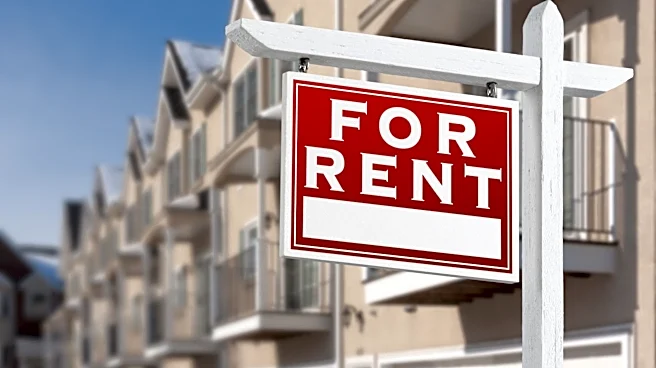
Apartment hunting in New York City has become increasingly challenging due to the rise of AI-generated listings. Prospective tenants often encounter misleading photos and descriptions that do not match the actual apartments. This trend has added a new
layer of difficulty to an already competitive rental market, where vacancy rates are low and demand is high. The use of AI in real estate listings has led to frustration among renters, who must navigate through numerous fake or exaggerated listings.
Why It's Important?
The use of AI in real estate highlights broader issues of transparency and trust in the housing market. As technology becomes more integrated into everyday transactions, the potential for misuse and deception increases. This situation underscores the need for regulations to ensure that AI-generated content is clearly disclosed and that consumers are protected from misleading practices. The impact on renters is significant, as they face increased competition and potential financial losses due to deceptive listings.
What's Next?
New York City officials are considering regulations to require disclosure of AI-generated content in rental listings. If implemented, these rules could improve transparency and help renters make more informed decisions. However, the effectiveness of such measures will depend on enforcement and the willingness of real estate agents to comply. The situation may also prompt broader discussions about the ethical use of AI in various industries.
Beyond the Headlines
The ethical implications of AI in real estate extend beyond apartment hunting, raising questions about the role of technology in shaping consumer experiences and the potential for bias and discrimination. As AI continues to evolve, society will need to address these challenges to ensure that technology serves the public good.