




What's Happening?
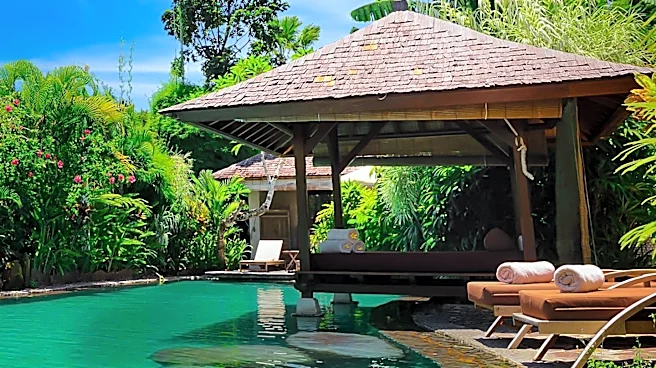
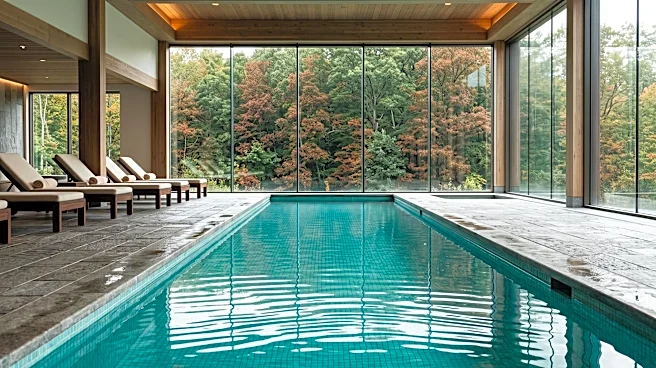
Mövenpick Resort Phu Quoc's Elements Spa provides a tranquil wellness sanctuary designed to help guests escape daily stress and reconnect with their senses. The spa features 15 private treatment rooms, a Jacuzzi whirlpool, a steam room, and a traditional
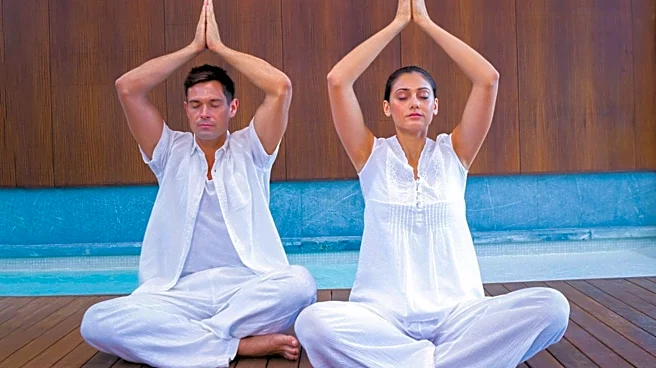
sauna. Expert therapists at the spa utilize natural local ingredients, such as Phu Quoc brown sugar, island coffee, organic coconut oil, and cooling aloe vera, to create personalized experiences. The range of treatments includes relaxing massages, body scrubs, and facials, all aimed at offering comfort and renewal. The spa also provides shared spa experiences for couples, set within tropical gardens and adorned with calming jade accents, reflecting a harmony of the five elements.
Why It's Important?
The offering of comprehensive spa and wellness services at a resort like Mövenpick Phu Quoc highlights the growing demand for integrated wellness experiences within the hospitality sector. This trend is important for the tourism and hospitality industries, as it attracts guests seeking more than just a vacation, but also opportunities for rejuvenation and self-care. By incorporating local, natural ingredients, the spa also supports local economies and promotes sustainable practices, which can be a significant draw for environmentally conscious travelers. The provision of diverse amenities, from private treatment rooms to various hydrotherapy options, caters to a wide range of guest preferences, enhancing the overall guest experience and potentially increasing repeat visits and positive reviews. This focus on wellness contributes to the resort's competitive advantage in the luxury travel market.
What's Next?
The success of wellness-focused amenities like the Elements Spa at Mövenpick Phu Quoc is likely to encourage other resorts and hotels globally to expand their own wellness offerings. This could lead to increased investment in spa facilities, specialized treatments, and the integration of local, natural ingredients into their services. There may also be a trend towards more personalized wellness programs, potentially incorporating technology for health assessments and tailored recommendations. The demand for skilled spa therapists and wellness practitioners is expected to rise, prompting more training and educational programs in these fields. Furthermore, the concept of 'wellness tourism' is likely to grow, with travelers actively seeking destinations and accommodations that prioritize health and well-being.
Beyond the Headlines
The emphasis on wellness sanctuaries within resorts reflects a broader societal shift towards holistic health and self-care, even during leisure travel. It suggests that modern travelers are increasingly seeking experiences that contribute to their long-term well-being, rather than just temporary escape. The use of natural, local ingredients in spa treatments also speaks to a growing appreciation for authenticity and connection to local culture and environment. This trend could influence how travel destinations are marketed, moving beyond scenic beauty to highlight opportunities for personal growth, relaxation, and health improvement. It also subtly promotes a more mindful approach to consumption, encouraging guests to consider the origins and benefits of the products used in their treatments, fostering a deeper connection between personal wellness and environmental sustainability.