






What's Happening?
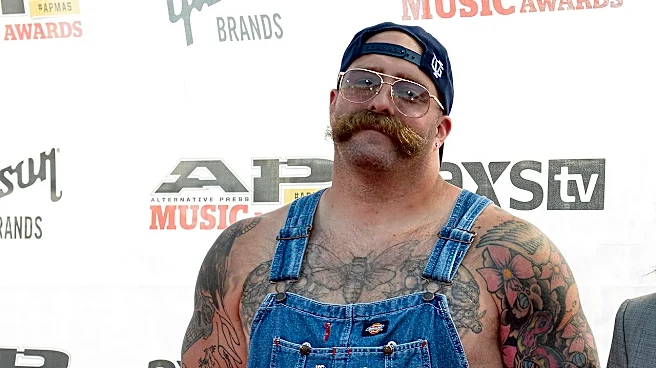
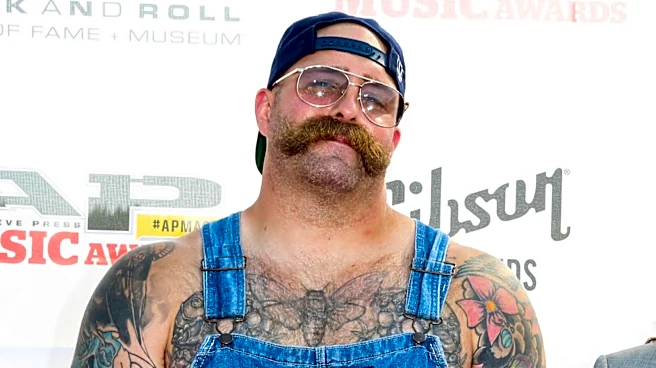
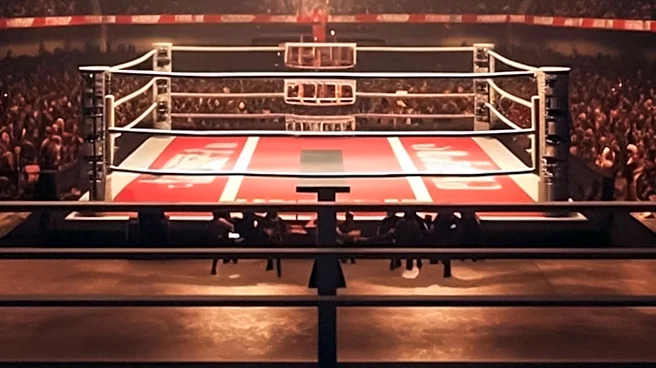
Professional wrestler Andy Williams, known as 'The Butcher,' died at 48 after collapsing during an independent wrestling show in Millvale, a Pittsburgh suburb, on Saturday night. Williams collapsed at ringside after his tag-team match at Mr. Smalls Theater,
hitting his head. According to Kurt Hackimer, co-owner of Enjoy Wrestling, the promotion hosting the event, Williams was conscious but unresponsive initially, and his condition rapidly worsened, with his pulse fading. Doctors on site administered CPR and used an automated external defibrillator before he was transported to a local hospital, where he later died. On-site medics indicated his symptoms were consistent with a cardiac event, though the Allegheny County Medical Examiner's Office will determine the official cause of death. Williams was also a guitarist for the metal band Every Time I Die from 1998 to 2022.
Why It's Important?
The sudden death of Andy Williams, a prominent figure in both professional wrestling and the music scene, highlights the physical demands and inherent risks associated with high-impact sports entertainment. His passing brings to the forefront discussions about athlete safety, medical preparedness at live events, and the long-term health implications for performers. For the wrestling community, this event is a profound loss, impacting fans, fellow wrestlers, and promotions like All Elite Wrestling (AEW), which issued a statement acknowledging his contributions. It also resonates with the music community, where Williams was known for his work with Every Time I Die. This incident may prompt a re-evaluation of health protocols and emergency response procedures at independent wrestling shows and similar events to ensure the well-being of performers.
What's Next?
The Allegheny County Medical Examiner's Office will conduct an investigation to officially determine the cause and manner of Andy Williams' death, which will provide clarity on the medical factors involved. This official determination could influence future discussions regarding health screenings and medical requirements for professional wrestlers. The wrestling promotion, Enjoy Wrestling, which had announced its final run of shows, concluded its event early after Williams' collapse. The broader wrestling and music communities will likely continue to mourn his loss, with tributes and memorials expected. This event may also lead to increased scrutiny and potential policy changes within independent wrestling circuits concerning on-site medical personnel and emergency protocols to prevent similar tragedies.
Beyond the Headlines
Andy Williams' death extends beyond a singular tragic event, touching upon the broader narrative of performer welfare in physically demanding professions. His dual career as a professional wrestler and a musician underscores the diverse talents and often strenuous lifestyles of individuals in entertainment. This incident could ignite conversations about the support systems available to performers, including access to healthcare, mental health resources, and retirement planning, especially in less regulated sectors like independent wrestling. It also highlights the emotional impact on fan communities and colleagues, fostering a collective reflection on the human cost behind the spectacle of entertainment. The legacy of 'The Butcher' and his musical contributions will undoubtedly be remembered, prompting a deeper appreciation for the dedication and sacrifices made by artists and athletes.