



What's Happening?
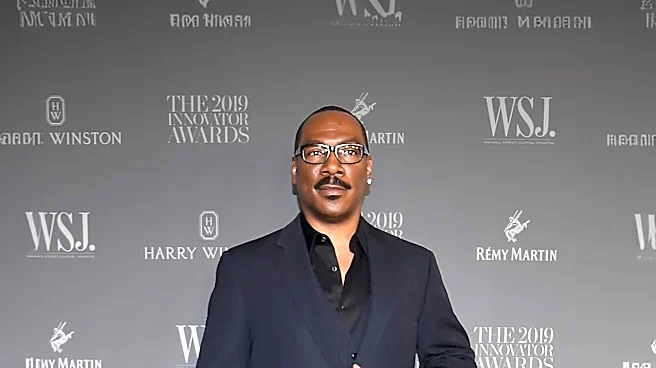
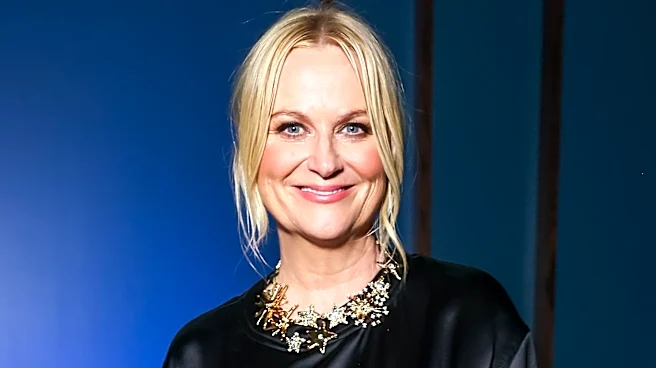
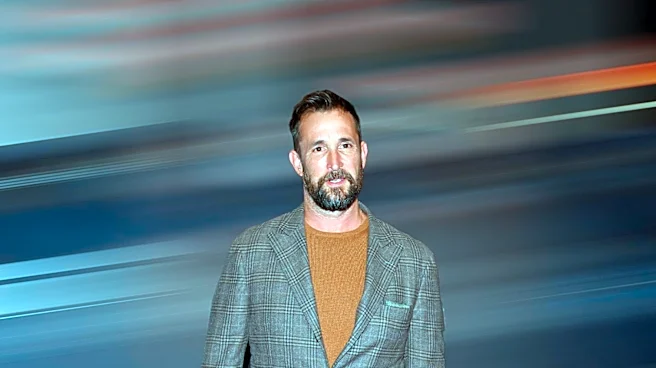
Actor Noah Wyle recently shared a childhood memory on Amy Poehler’s Good Hang podcast, recounting an encounter with Eddie Murphy when Wyle was approximately nine years old. Wyle, a fan of Murphy's work on 'Saturday Night Live,' approached the comedian
for an autograph. According to Wyle, Murphy initially questioned why he was awake so late before bluntly telling him to 'F--- off, man' when Wyle reiterated his request for a signature. This interaction occurred during Murphy's early career on 'SNL,' where he was a cast member from 1980 to 1984. The memory has been a recurring anecdote within Wyle's family and has significantly shaped his own approach to interacting with young fans seeking autographs.
Why It's Important?
This anecdote highlights the lasting impact of celebrity interactions, particularly on young individuals. For Noah Wyle, this seemingly negative childhood experience transformed into a guiding principle for his own public life as an actor. It underscores the responsibility public figures hold in their interactions, as even brief encounters can leave a profound impression. The story also offers a glimpse into the pressures and perhaps the less polished side of celebrity life, where even young performers like Murphy might have moments of frustration. For fans, it provides a relatable narrative about the often-unpredictable nature of meeting idols, while for celebrities, it serves as a reminder of the potential influence they wield, consciously or unconsciously, over their admirers.
What's Next?
While there are no immediate 'next steps' in terms of official actions, the retelling of this story by Noah Wyle on a popular podcast could spark renewed public discussion about celebrity etiquette and fan interactions. It might also prompt other public figures to share similar experiences or reflect on their own approaches to fan engagement. The anecdote has already generated media attention, with outlets like Page Six reporting on it, indicating continued interest in such personal stories from well-known personalities. The story's enduring nature, even decades later, suggests it will likely remain a part of Wyle's public narrative and a point of interest for fans of both actors.
Beyond the Headlines
The deeper implication of Wyle's story lies in its exploration of empathy and the cyclical nature of experience. What began as a potentially hurtful childhood memory for Wyle evolved into a lesson in how to treat others, particularly children. This transformation from recipient of a harsh dismissal to a celebrity who prioritizes kindness to young fans illustrates a powerful personal growth narrative. It also touches upon the cultural phenomenon of autograph seeking and the often-unspoken rules of engagement between fans and their idols. The story subtly critiques the notion of celebrity entitlement while simultaneously celebrating the human capacity to learn from past experiences and apply those lessons to foster more positive interactions in the future, ultimately shaping a more considerate public persona.