



What's Happening?
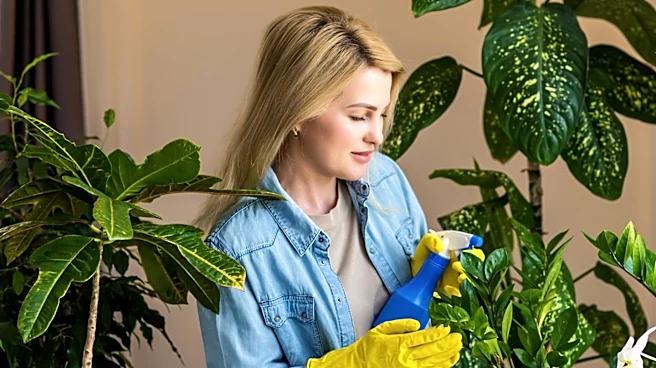
Effective plant care involves understanding the specific needs of different plant types, particularly for indoor and tropical varieties like the banana plant (Musa). For most indoor flowering plants, a bright location free from drafts is crucial. Consistent
watering is essential to keep the soil slightly moist, but overwatering should be avoided to prevent root rot. Excess water collected in saucers should be poured off. Tropical plants, such as the Musa, thrive in bright spots with ample sunlight, ideally near a south-facing window. These plants require more frequent watering, especially in summer, to maintain consistently moist soil. Fertilization is also a key aspect of plant care, typically recommended monthly from March to September for banana plants, using suitable plant food. Repotting, ideally in spring, helps plants recover and grow, often requiring a waterproof inner liner and a moisture meter. Additionally, pruning old or discolored leaves helps maintain plant health and appearance. Pests like mealybugs can affect houseplants, but they are generally treatable with methods such as wiping leaves or using methylated spirits.
Why It's Important?
Proper plant care is vital for the longevity and health of indoor and tropical plants, contributing to a healthier indoor environment and aesthetic appeal. Understanding specific plant needs, such as light, water, and nutrients, prevents common issues like root rot, discoloration, and pest infestations, which can lead to plant death. For individuals, successful plant care can be a rewarding hobby, enhancing living spaces with greenery and potentially improving air quality. Economically, the houseplant market is significant, and informed care practices support this industry by ensuring consumer satisfaction and repeat purchases. The ability to propagate plants, like banana plant offshoots, also offers a sustainable way to expand plant collections without additional cost. Conversely, neglecting proper care can result in financial losses for consumers and reduced demand for plant retailers if plants frequently fail to thrive. The knowledge of how to address common plant problems, such as pests or nutrient deficiencies, empowers plant owners to maintain their plants effectively, fostering a more sustainable and enjoyable plant-keeping experience.
What's Next?
As plant owners become more aware of specific care requirements, the trend towards specialized plant care products and services is likely to continue. This could include advanced soil mixtures, targeted fertilizers, and pest control solutions designed for particular plant species. Educational resources, such as detailed guides and workshops on plant care, may also see increased demand as more individuals seek to cultivate thriving indoor gardens. For tropical plants like the Musa, ongoing research into optimal growing conditions and disease resistance could lead to new varieties that are easier to care for in diverse indoor environments. Furthermore, the integration of technology, such as smart moisture meters and automated watering systems, might become more prevalent, simplifying plant care for busy individuals. The focus will likely shift towards holistic plant health, encompassing not just basic needs but also preventative measures against common issues, ensuring plants remain vibrant and healthy for longer periods.
Beyond the Headlines
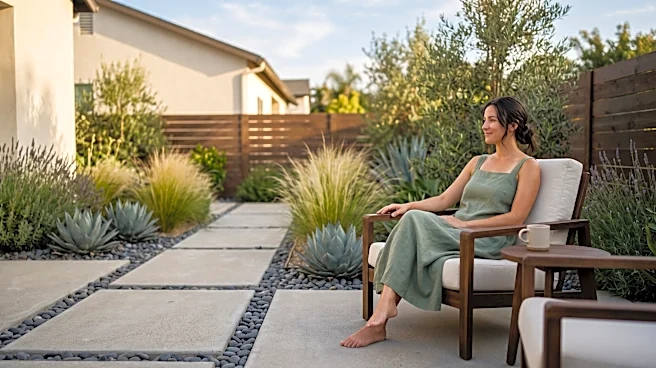
Beyond the immediate benefits of healthy plants, the practice of plant care has deeper implications for well-being and environmental consciousness. Engaging in plant care can serve as a form of mindfulness, reducing stress and fostering a connection with nature, even in urban settings. The act of nurturing a living organism can provide a sense of accomplishment and responsibility. Environmentally, promoting indoor plants contributes to biodiversity and can raise awareness about broader ecological issues. As people become more attuned to the needs of their plants, they may develop a greater appreciation for natural ecosystems and the importance of sustainable practices. The increasing popularity of houseplants also reflects a cultural shift towards creating more natural and calming living spaces, moving away from purely utilitarian environments. This trend underscores a growing desire for biophilic design principles, where natural elements are integrated into modern living, enhancing both aesthetic appeal and psychological comfort.