







What's Happening?
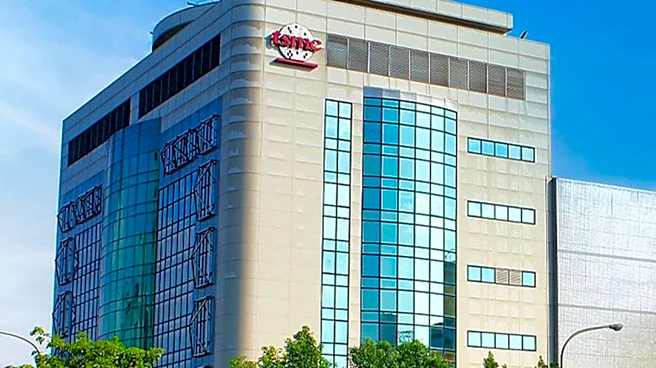
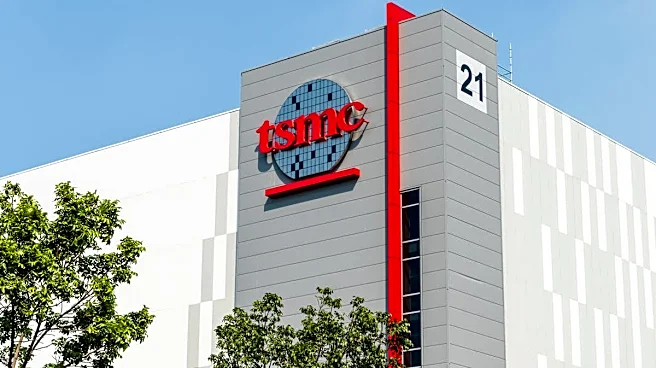
Taiwan Semiconductor Manufacturing Co. (TSM) announced an increase in its 2026 capital expenditure forecast to $60 billion to $64 billion, up from a previous range of $52 billion to $56 billion. This decision comes amid a surge in demand for AI-related
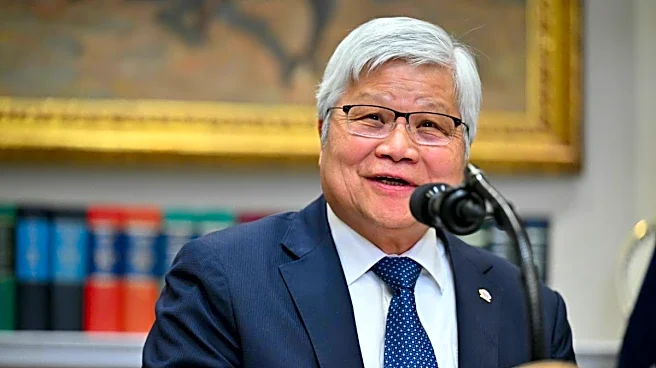
technologies. Despite reporting strong second-quarter financial results, including a revenue of NT$1.27 trillion and a net income of NT$706.56 billion, TSM's stock fell by 2% in premarket trading. The company attributed the stock dip to concerns over rising costs and potential pressure on long-term returns due to the increased spending. TSM's CFO, Wendell Huang, stated that the majority of the capital budget will be allocated to advanced process technologies. The company also plans to invest an additional $100 billion in U.S. chipmaking capacity, as part of a broader agreement with the U.S. government.
Why It's Important?
TSM's decision to increase capital spending highlights the growing demand for AI technologies and the strategic importance of expanding manufacturing capabilities. This move is significant for the U.S. semiconductor industry, as it aligns with government efforts to bolster domestic chip production and reduce reliance on foreign supply chains. The increased investment in U.S. facilities could enhance the country's technological competitiveness and create jobs. However, the potential impact on TSM's profitability due to higher costs and the initial stages of overseas factory operations could affect investor confidence. The company's strategic shift from a Taiwan-centric model to a global manufacturing strategy underscores the geopolitical and economic factors influencing the semiconductor industry.
What's Next?
TSM expects its third-quarter revenue to be between $44.6 billion and $45.8 billion, with a projected 37% year-on-year increase. The company anticipates that the expansion of overseas factories may initially reduce profitability, with gross margin dilution expected to be 2-3% in the early stages. As TSM continues to expand its global footprint, it will likely face challenges related to managing costs and maintaining profitability. The company's focus on AI growth and semiconductor demand suggests that it will continue to invest in advanced technologies and infrastructure. Stakeholders, including investors and government entities, will closely monitor TSM's progress and its impact on the broader semiconductor market.