





What's Happening?
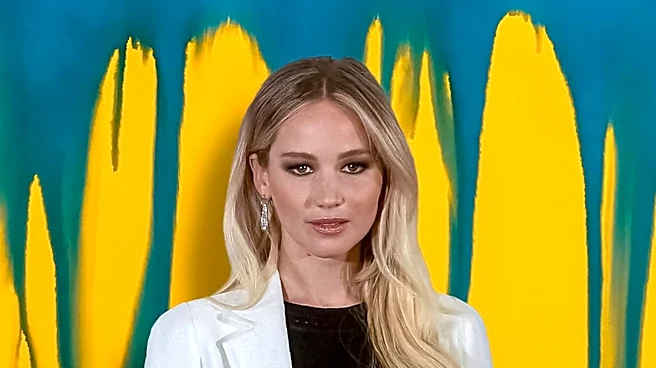
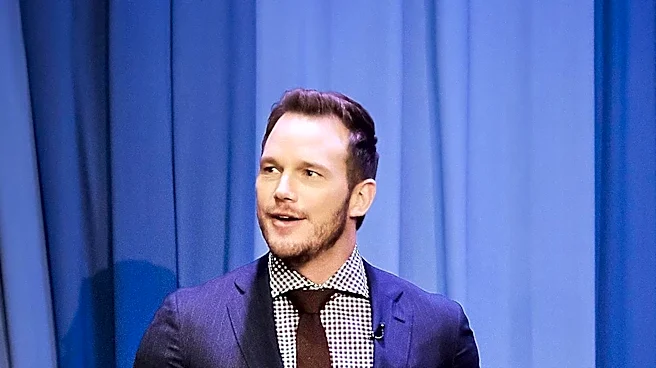
Actress Jennifer Lawrence has publicly discussed her discomfort regarding her onscreen kissing scenes with actor Chris Pratt in the film 'Passengers.' Lawrence stated that the experience was 'really weird' because Pratt was married to Anna Faris at the time.
She conveyed to The Hollywood Reporter that the guilt associated with kissing a married man, even in a professional capacity, was a significant internal struggle. During an appearance on 'WWHL,' Lawrence ranked her onscreen kisses, placing Pratt at the bottom of her list. She also mentioned other co-stars like Timothée Chalamet, Bradley Cooper, and Liam Hemsworth, with Josh Hutcherson being ranked as the best, possibly due to his presence during the interview. Lawrence's candid remarks highlight the personal challenges actors can face when their professional duties intersect with their personal moral compass.
Why It's Important?
This revelation offers a glimpse into the personal and ethical considerations that actors navigate within the entertainment industry, particularly concerning intimate scenes. It underscores the potential for emotional and psychological impact on performers, even when fulfilling contractual obligations. For the public, it provides a humanizing perspective on celebrity, moving beyond the glamorous facade to reveal the complexities of their work. The discussion also subtly touches upon the broader societal expectations and judgments surrounding marital fidelity, even in fictional contexts. For the film industry, it might prompt further conversations about actor well-being and support mechanisms when filming sensitive scenes, especially when personal boundaries or moral convictions are challenged. The candidness of Lawrence's statement could resonate with audiences who appreciate authenticity from public figures.
What's Next?
While Jennifer Lawrence's comments are retrospective, they contribute to an ongoing dialogue within Hollywood about actor welfare and the ethical considerations of filmmaking. Such discussions may lead to increased awareness and potentially more robust support systems for actors dealing with emotionally challenging roles or scenes. It is unlikely to directly impact the careers of Lawrence or Pratt, given the time elapsed since the film's release and the nature of the comments. However, it could influence how future intimate scenes are approached in productions, with a greater emphasis on actor comfort and consent. The public's reaction to such candidness often shapes future celebrity interactions and disclosures, potentially encouraging more transparency from other public figures about their professional experiences.
Beyond the Headlines
Jennifer Lawrence's candidness about her discomfort extends beyond a simple anecdote, touching upon the broader ethical landscape of the entertainment industry. It highlights the often-unseen emotional labor involved in acting, particularly when roles demand actions that conflict with personal values. This situation raises questions about the boundaries between professional duty and personal integrity, and how actors are expected to navigate these complex spaces. It also subtly critiques the industry's historical tendency to prioritize narrative demands over the psychological well-being of its performers. The public's reception of such honesty can influence cultural norms around celebrity authenticity and the expectations placed on actors to perform without visible personal cost. Ultimately, it contributes to a larger conversation about consent, respect, and the human element within a highly commercialized art form.