


What's Happening?
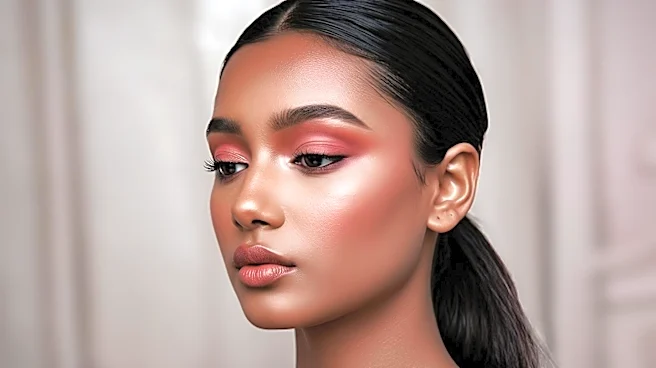
The 'toasty makeup' aesthetic, characterized by warm, sun-kissed tones like brown, terracotta, copper, and caramel, has gained significant popularity, with celebrities such as Hailey Bieber, Tyla, Kendall Jenner, and Emma Stone embracing the look. This
trend, which has become prevalent on platforms like TikTok and YouTube, offers a way to achieve a warmer complexion without sun exposure. Makeup artist Angeline Dela Cruz notes that in the Philippines, this trend signifies an embrace of natural skin tones. Dela Cruz distinguishes 'toasty makeup' from 'bronzy' (golden tan) and 'sun-kissed' (soft, natural glow with peach-pink or rosy tones) by its richer copper or terracotta hues. She advises starting with eye makeup and applying bronzer lightly to areas where light naturally hits the face, such as the sides, cheeks, forehead, and nose. For Filipino skin tones, she recommends neutral bronzers, rosy or medium peach blushes for 'morenas,' and cherry cola shades for deeper complexions, while cautioning against overly red or orange tones.
Why It's Important?
The rise of the 'toasty makeup' trend reflects a broader cultural shift in beauty standards, moving towards celebrating natural warmth and diverse skin tones. For the U.S. beauty industry, this trend signifies a demand for products that cater to warmer, earthy palettes, potentially influencing product development and marketing strategies for cosmetics brands. The emphasis on achieving a sun-kissed look without actual sun exposure also aligns with growing health consciousness regarding UV damage, promoting safer beauty practices. The trend's popularity among high-profile celebrities like Tyla, Hailey Bieber, Kendall Jenner, and Emma Stone amplifies its reach and influence, driving consumer interest and sales in related beauty products. This also highlights the significant role of social media platforms like TikTok and YouTube in disseminating and popularizing beauty trends, making them crucial channels for brands to engage with consumers and showcase new looks. The trend's interpretation in different regions, such as the Philippines, also underscores the global interconnectedness of beauty culture and the adaptation of trends to local contexts.
What's Next?
The continued popularity of 'toasty makeup' is likely to lead to an increased focus on warm-toned cosmetic products in the market. Beauty brands may introduce new lines of bronzers, blushes, and eyeshadows specifically designed to achieve this aesthetic. Influencers and makeup artists will continue to create tutorials and content around this trend, further solidifying its presence in mainstream beauty. We can expect to see more celebrities adopting and showcasing variations of the 'toasty' look, maintaining its relevance. The trend may also evolve, incorporating new techniques or product formulations to enhance the warm, sun-kissed effect. Furthermore, the success of this trend could encourage the beauty industry to explore and promote other aesthetics that celebrate natural skin tones and diverse beauty, moving away from more artificial or heavily contoured looks. Retailers will likely adjust their inventory to meet the demand for these specific shades and products, potentially leading to dedicated displays or curated collections.
Beyond the Headlines
Beyond its immediate impact on cosmetic sales, the 'toasty makeup' trend subtly challenges traditional beauty ideals that often favored lighter or more 'perfected' complexions. By celebrating natural warmth and sun-kissed tones, it promotes a more inclusive vision of beauty that resonates with a wider demographic. The trend's global adoption, particularly its significance in regions like the Philippines where it's seen as an embrace of natural skin tone, highlights a deeper cultural movement towards self-acceptance and appreciation of diverse appearances. This shift can empower individuals to feel more confident in their natural beauty, reducing pressure to conform to narrow aesthetic standards. The influence of social media in driving such trends also raises questions about the democratization of beauty, where trends can emerge from grassroots movements rather than solely from high fashion or celebrity endorsements. This could lead to a more dynamic and responsive beauty industry that is more attuned to consumer preferences and cultural nuances.