





What's Happening?
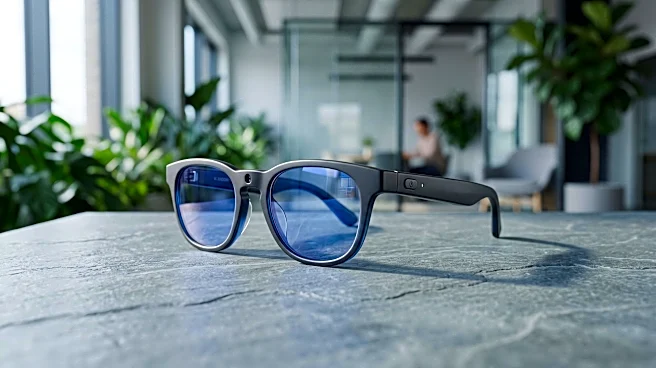
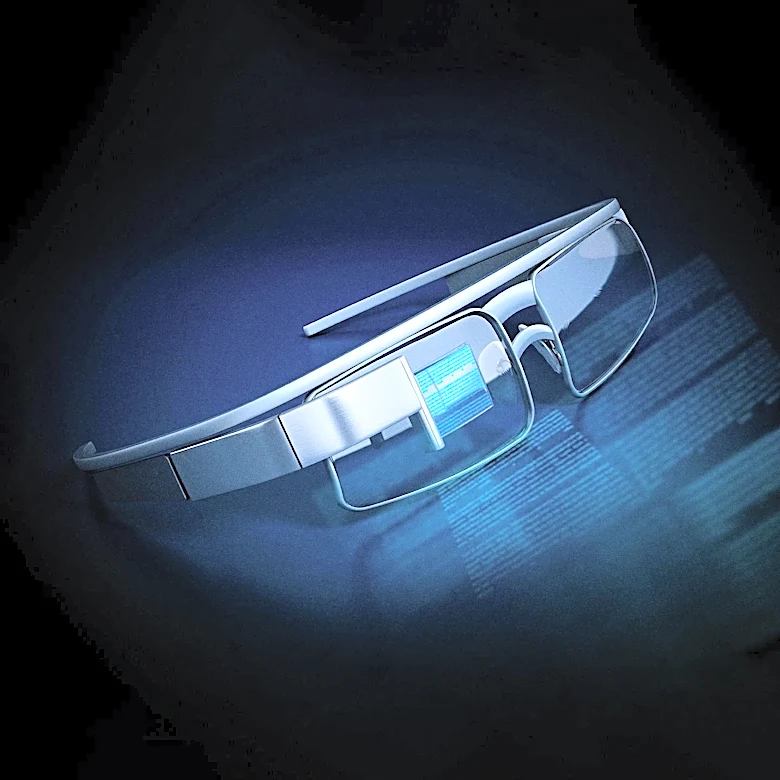
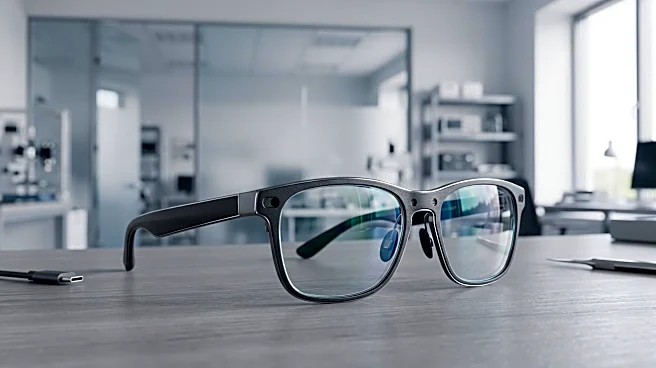
Meta is significantly reorienting its Reality Labs division, directing the majority of its investment towards smart glasses and wearables, a shift confirmed by CEO Mark Zuckerberg. This strategic pivot is evident in recent changes to the Meta Horizon
app, which is being redesigned to prioritize VR hardware management, with 'Worlds' content being de-emphasized and potentially moving to web and mobile platforms. Meta CTO Andrew Bosworth has indicated that while VR access for existing users will continue, the company sees a much larger mobile audience and aims to avoid building for both mobile and VR simultaneously. This re-prioritization follows a period where Reality Labs revenue declined by 6% due to decreased Quest headset sales, partially offset by growth in AI glasses. Meta expects Reality Labs operating losses to peak this year, with approximately 70% of 2026 operating expenses supporting wearables.
Why It's Important?
This strategic shift by Meta signals a significant re-evaluation of its metaverse vision and a pragmatic response to market realities. By focusing on smart glasses and wearables, Meta is betting on a more immediate and tangible path to consumer adoption and revenue generation compared to the more nascent and capital-intensive virtual worlds of Horizon. This move could accelerate the development and market penetration of AI-powered wearables, potentially making them a more common consumer device. For the VR industry, it suggests a potential slowdown in broad consumer VR headset adoption, as even a major player like Meta is adjusting its focus. This could impact developers and content creators who have invested heavily in VR-centric platforms, prompting them to consider multi-platform strategies or pivot towards mobile and wearable experiences. The financial implications are substantial, as Meta aims to curb losses in its Reality Labs division by concentrating resources on what it perceives as more promising hardware categories.
What's Next?
Meta's immediate next steps involve the continued redesign of the Meta Horizon app to serve as a companion for its VR hardware, with datamined strings suggesting a potential rename to 'Meta VR app.' The company is also expected to launch new VR glasses, reportedly costing $1,300, aimed at prosumers and professionals by spring 2027. Creators building on Horizon will face distribution changes, with games from Horizon Create becoming accessible across Facebook, Instagram, and Horizon, with a focus on mobile reach. The success of Meta's AI glasses and other wearables will be crucial in determining the future trajectory of Reality Labs. Regulators will also face decisions on how to classify and govern camera-equipped AI glasses, whether under existing data and privacy laws or new immersive technology guidelines.
Beyond the Headlines
This strategic pivot by Meta highlights the inherent challenges and evolving nature of the metaverse concept. While virtual worlds were initially a central pillar, the company's shift towards wearables suggests a recognition that practical, everyday utility might be a more viable entry point for immersive technologies. This could lead to a future where augmented reality (AR) experiences delivered through smart glasses become more pervasive than fully immersive virtual reality. The move also underscores the intense competition in the tech industry, where even giants like Meta must constantly adapt their long-term visions to market demands and technological feasibility. Furthermore, the increased focus on camera-equipped AI glasses will inevitably bring heightened scrutiny regarding privacy, surveillance, and data ethics, potentially leading to new regulatory frameworks and public debates about the role of such devices in society.