





What's Happening?
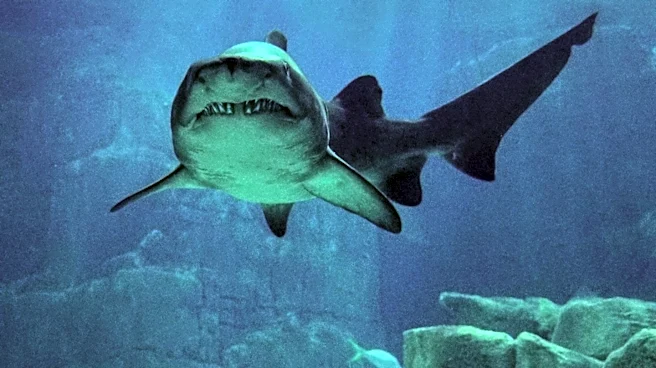
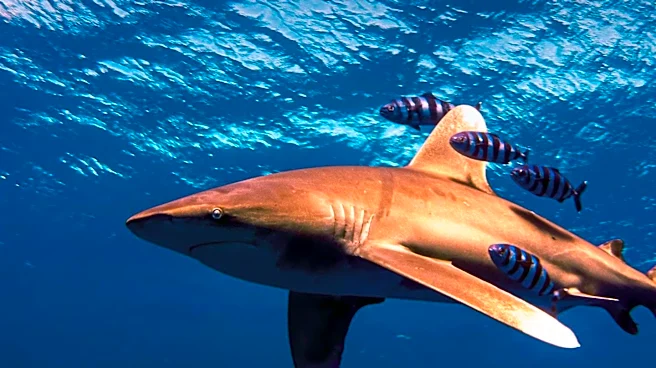
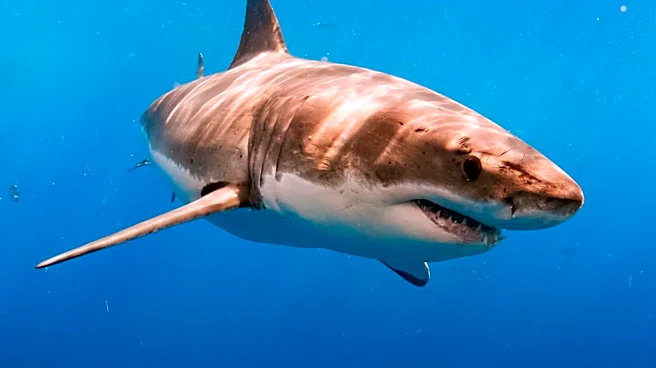
The Professional Association of Diving Instructors (PADI) has introduced a Shark & Ray Conservation Specialty Course alongside the Global Shark & Ray Census. This initiative aims to raise awareness about the increasing risk of extinction faced by nearly
one-third of shark and ray species. The course encourages divers to participate in global research by recording their shark sightings, contributing to a deeper understanding of marine ecosystems. According to PADI, 80 million sharks and rays are killed annually, primarily by commercial fishing, highlighting the urgent need for conservation efforts. The initiative is part of a broader effort to combine education with real-world participation, offering divers meaningful ways to protect these marine species.
Why It's Important?
This initiative is significant as it addresses the critical conservation needs of sharks and rays, which play vital roles in marine ecosystems. By involving divers in citizen science, PADI is fostering a global community committed to marine conservation. The course not only educates participants about the ecological importance of these species but also empowers them to take actionable steps in their preservation. This could lead to increased advocacy and policy changes aimed at reducing the threats posed by commercial fishing. The initiative also highlights the potential for eco-tourism to contribute positively to conservation efforts, providing economic incentives for local communities to protect marine habitats.
What's Next?
As the course gains traction, it is expected to increase public awareness and engagement in shark and ray conservation. This could lead to stronger advocacy for protective legislation and international cooperation to address overfishing and habitat destruction. The success of the initiative may inspire similar conservation efforts for other endangered marine species. Additionally, the data collected through the Global Shark & Ray Census could inform future research and policy decisions, potentially leading to more effective conservation strategies. Stakeholders, including environmental organizations and governments, may collaborate to expand the reach and impact of such conservation programs.
Beyond the Headlines
The initiative underscores the ethical responsibility of divers and the broader public to protect marine life. It also highlights the cultural shift towards sustainable tourism, where travelers seek experiences that contribute positively to the environment. The course could influence the diving industry to adopt more sustainable practices, setting a precedent for other sectors. Long-term, this could lead to a greater emphasis on conservation in tourism, with destinations prioritizing ecological preservation over mass tourism. The initiative also raises awareness about the interconnectedness of global ecosystems and the need for collective action to address environmental challenges.