


What's Happening?
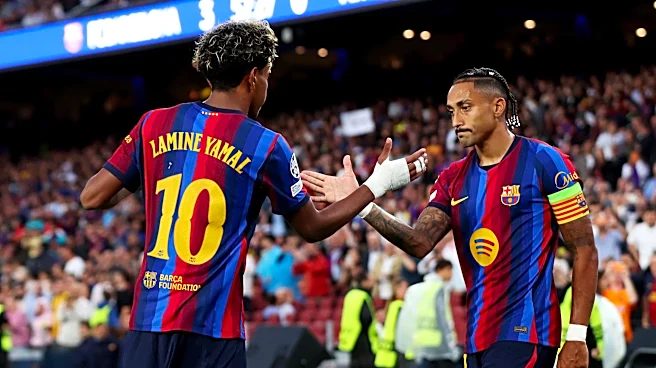
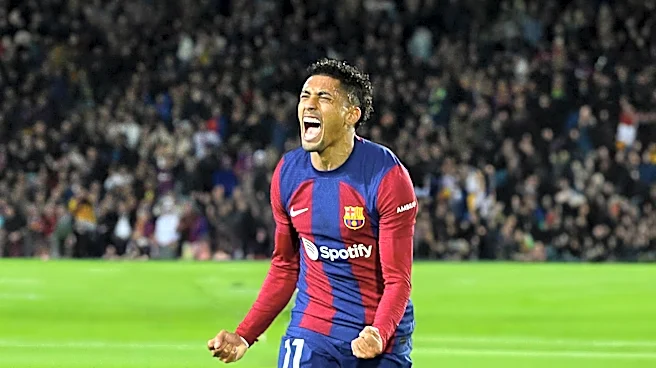
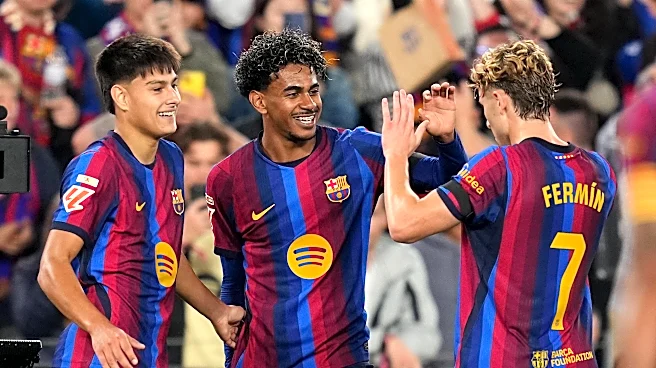
Raphinha, the Brazilian forward for Barcelona, scored two goals in a 3-0 Champions League victory against Aston Villa. This performance made him the top-scoring Brazilian player for Barcelona in the Champions League, surpassing previous legends like Neymar
and Rivaldo. Despite his significant achievement and the team's win, Raphinha expressed profound sadness and declined to discuss football in his post-match interview. His focus was on sending support to the family of Jesús de Miguel, a Tenerife player who tragically passed away hours before the match. De Miguel, 30, died at the University Hospital Nuestra Señora de Candelaria in Santa Cruz de Tenerife after suffering a severe blow during a match between Tenerife and Andorra. Raphinha emphasized that the news deeply affected him and the team, stating that it was not a suitable day to talk about football given the circumstances. The Champions League anthem was not played before the game as a mark of respect for de Miguel.
Why It's Important?
Raphinha's decision to prioritize a message of condolence over celebrating his personal and team achievements highlights a significant human element within professional sports. This act of solidarity underscores the tight-knit nature of the football community, where personal tragedies can transcend competitive rivalries and individual successes. For Barcelona, the victory was crucial for their Champions League campaign, helping them bounce back from a previous defeat and stay in contention for a top-eight league phase berth. However, the broader impact of de Miguel's death, and Raphinha's reaction, serves as a poignant reminder of the inherent risks in contact sports and the fragility of life, prompting reflection on player safety and well-being across leagues. It also demonstrates the power of athletes to use their platform for humanitarian messages, fostering empathy and unity among fans and the wider public.
What's Next?
The football community will likely continue to mourn the loss of Jesús de Miguel, with further tributes and gestures of remembrance expected across various leagues and clubs. Discussions around player safety and medical protocols in football may intensify, particularly concerning on-field incidents and their potential long-term consequences. For Barcelona, the focus will shift back to their Champions League progression and domestic league performance, building on Raphinha's impressive form. Raphinha himself will continue to be a key player, and his recent actions may further solidify his reputation as a compassionate leader within the sport. The incident could also lead to increased awareness and support for initiatives aimed at player welfare and mental health in professional sports.
Beyond the Headlines
Raphinha's response to the tragedy transcends the typical narrative of sports victories, revealing a deeper ethical dimension within professional athletics. It challenges the often-commercialized and results-driven nature of elite sports by emphasizing human connection and empathy. This event could spark broader conversations about the responsibilities of athletes as public figures and the role of sports organizations in supporting their players beyond their athletic performance. It also brings to light the emotional toll that such incidents can take on athletes, even those not directly involved, highlighting the need for robust psychological support systems within sports. The collective mourning within the football world demonstrates how shared human experiences can unite individuals across different teams and nationalities, reinforcing a sense of global community.