






What's Happening?
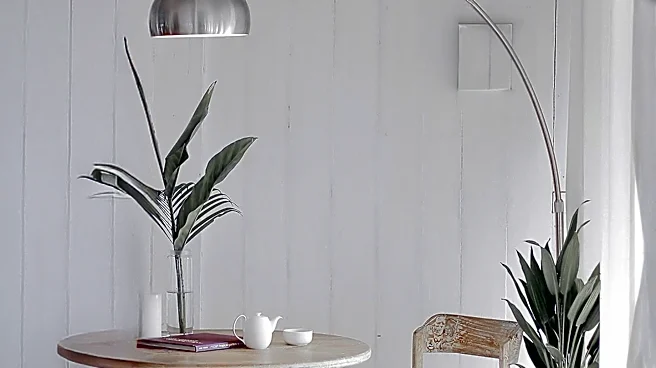
Interior designers are increasingly incorporating vintage dining tables, particularly rustic farmhouse styles with worn wood or stone tops, into their projects. This trend is driven by the desire to create spaces that feel curated over time, moving away
from matching furniture sets. Designers like Andrea DeRosa, co-founder of Avenue Interior Design, and Page Finlay of Page Finlay Design, highlight the charm and character these tables bring to an interior. They note that the imperfections, such as worn edges, knife marks, and patina, tell a story and contribute to a warm, settled atmosphere. These vintage pieces are also seen as durable investments, often outlasting newly manufactured furniture. The appeal extends beyond their aesthetic value, as they can be repurposed for various uses within a home.
Why It's Important?
The growing popularity of vintage dining tables signifies a shift in U.S. home decor trends towards sustainability and individuality. Consumers are increasingly valuing items with history and character over mass-produced furniture, which can impact the furniture manufacturing and retail industries. This trend encourages a circular economy by promoting the reuse and repurposing of existing items, potentially reducing demand for new furniture production and its associated environmental footprint. For interior designers, it opens up new avenues for sourcing and styling, emphasizing creativity in mixing old and new elements. Homeowners stand to gain by investing in durable, unique pieces that can enhance the aesthetic and perceived value of their living spaces, while also contributing to a more personalized and less disposable approach to home furnishing.
What's Next?
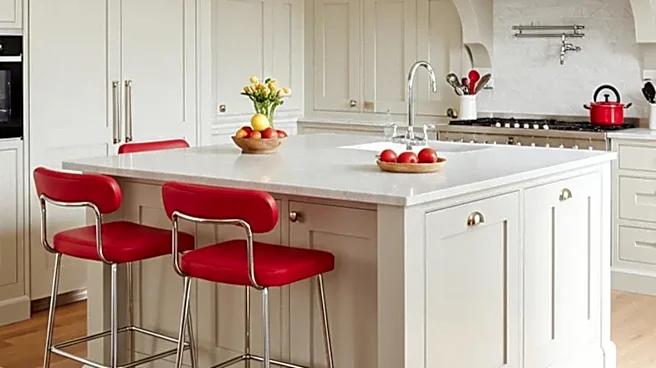
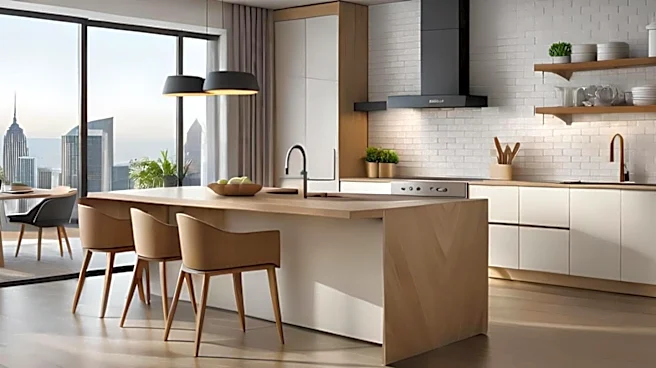
The trend of integrating vintage dining tables is expected to continue, with designers offering advice on styling these pieces. Recommendations include mixing vintage tables with contemporary chairs and lighting to create visual tension, and repurposing them as kitchen islands, home office desks, or console tables. Designers also advise embracing the natural patina and imperfections of these tables rather than attempting to refinish them, as these characteristics contribute to their unique charm. This approach suggests a future where furniture is viewed not just for its utility but also for its narrative and aesthetic contribution, potentially leading to increased demand for antique and vintage furniture markets and specialized restoration services.
Beyond the Headlines
The embrace of vintage dining tables reflects a broader cultural movement towards authenticity and a rejection of transient trends. It speaks to a desire for items that possess a sense of history and craftsmanship, contrasting with the often ephemeral nature of modern consumer goods. This trend also highlights an ethical dimension, as choosing vintage items can be seen as a more environmentally conscious decision, reducing waste and supporting sustainable consumption practices. Furthermore, the act of repurposing these tables encourages creative problem-solving and personalization in home design, fostering a deeper connection between individuals and their living spaces. It suggests a long-term shift in consumer values, prioritizing longevity, character, and environmental responsibility in home furnishings.