






What's Happening?
Smart switches are emerging as a more practical and inclusive solution for smart home lighting compared to smart bulbs, particularly in high-traffic and shared household spaces. While smart bulbs are easy to install and offer creative lighting effects,
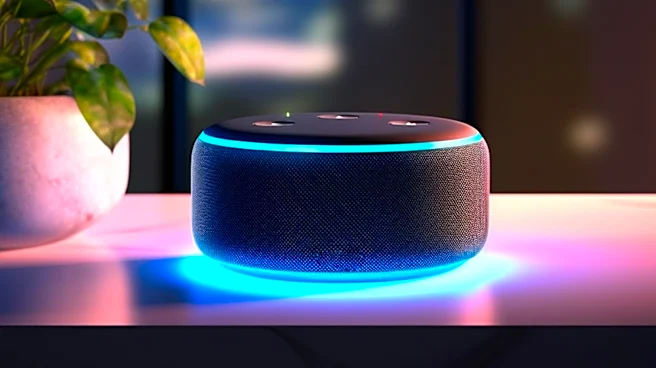
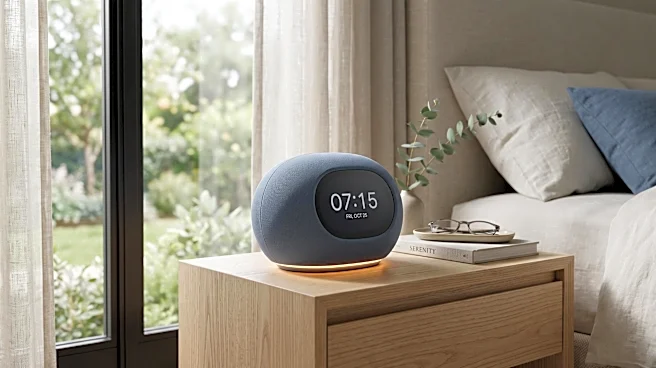
they often require an app or smart speaker for full functionality, which can be inconvenient for multiple users. A common issue with smart bulbs is that flipping a traditional wall switch can cut power, causing the bulb to lose its Wi-Fi connection and fail to respond until the switch is reactivated. Additionally, many smart bulbs revert to full brightness after a power outage, which can be disruptive. Smart switches, conversely, replace the traditional wall switch, maintaining direct wiring to the home's electrical system. This allows anyone to control the lights using the familiar tactile experience of a switch, without needing an app or learning a new interface. This makes them ideal for households with varying levels of tech comfort and for controlling multi-bulb fixtures with a single switch.
Why It's Important?
The shift towards smart switches as a primary smart home lighting solution has significant implications for consumer adoption and the smart home technology market in the U.S. By offering a more intuitive and inclusive user experience, smart switches can broaden the appeal of smart lighting beyond tech-savvy individuals to a wider demographic, including families with children, elderly residents, and guests. This inclusivity can accelerate the integration of smart home technology into mainstream American households. For manufacturers, focusing on smart switches could lead to increased market penetration and customer satisfaction, as these devices address common pain points associated with smart bulbs. The ability of smart switches to control multiple bulbs on a single circuit also offers a more streamlined and cost-effective solution for larger lighting installations, potentially driving demand in both residential and commercial sectors. This evolution suggests a market trend towards user-friendly and seamlessly integrated smart home solutions.
What's Next?
The growing preference for smart switches is likely to influence future product development and marketing strategies within the smart home industry. Manufacturers may increasingly prioritize the development of advanced smart switch technologies that offer enhanced features, broader compatibility, and easier installation. We can expect to see more smart switches capable of controlling various wired loads beyond just lighting, such as ceiling fans. Retailers may also adjust their merchandising to highlight the benefits of smart switches for shared spaces and multi-user environments. Furthermore, as smart switches become more prevalent, there could be a greater emphasis on integrating them into broader smart home ecosystems, allowing for more sophisticated automation and energy management. This trend could also lead to increased competition among smart switch manufacturers, potentially driving down costs and making the technology more accessible to a wider consumer base.
Beyond the Headlines
The preference for smart switches over smart bulbs touches upon deeper societal and psychological aspects of technology adoption. The desire for a 'traditional, tactile experience' in controlling home lighting highlights that convenience and familiarity often outweigh advanced features for many users. This suggests that for smart home technology to truly become ubiquitous, it must seamlessly integrate into existing behaviors rather than demanding significant user adaptation. The inclusivity offered by smart switches also speaks to the importance of designing technology that accommodates diverse user needs and comfort levels, fostering a more equitable technological landscape. This trend could encourage a broader design philosophy in the tech industry, prioritizing user-centric design and accessibility over purely feature-driven innovation. Ultimately, the success of smart switches underscores the idea that the most impactful technological advancements are often those that simplify and enhance everyday life without requiring a steep learning curve.