






What's Happening?
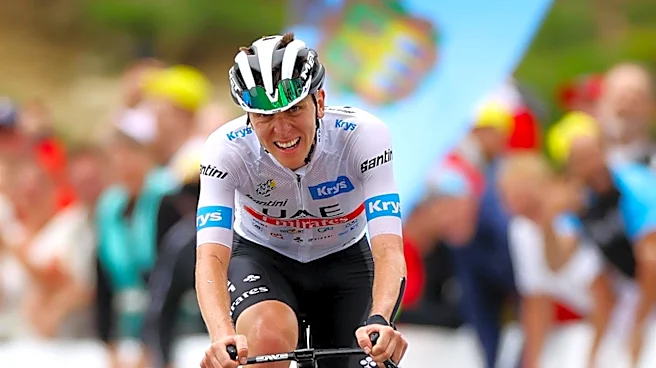
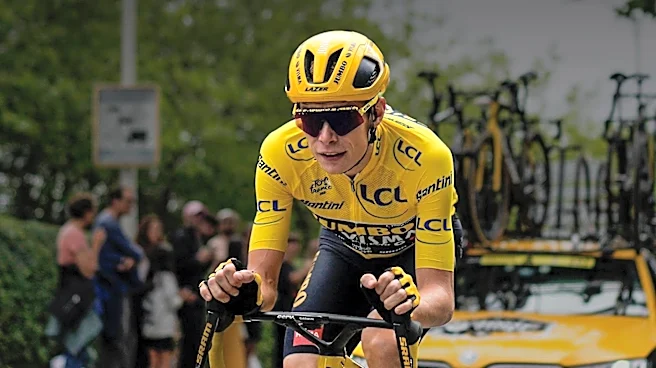
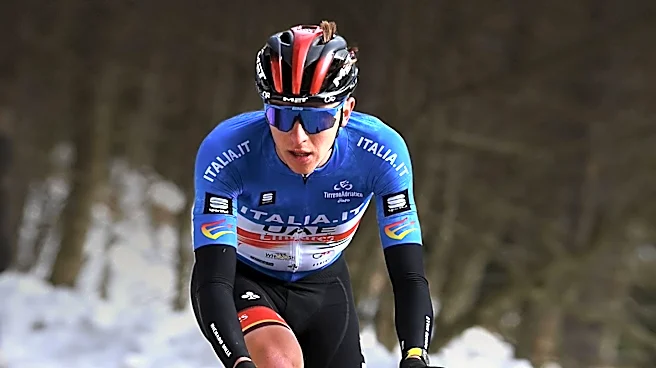
Tadej Pogačar, the current leader of the Tour de France, has advocated for a significant change in the cycling calendar to avoid racing during the summer months in regions experiencing extreme heat. This call comes after the ninth stage of the Tour was
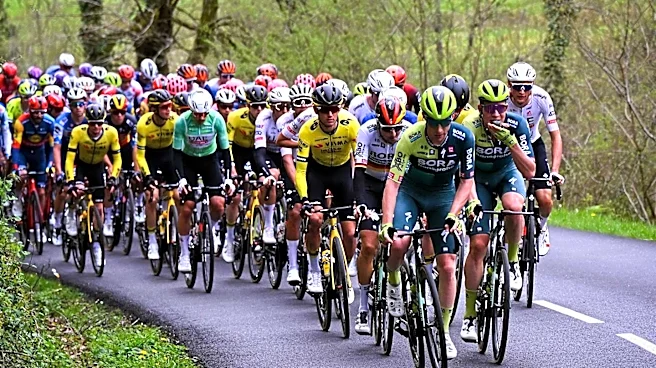
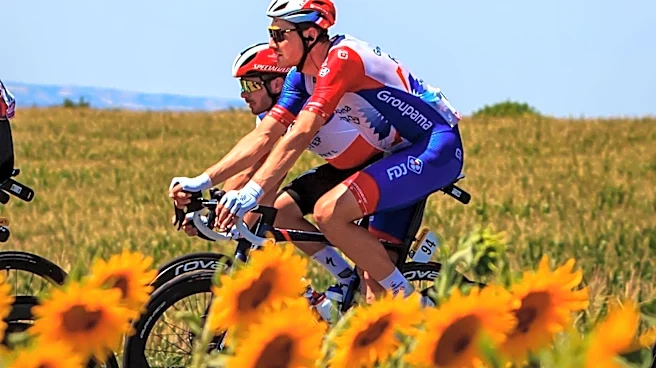
shortened by 30 kilometers due to a red alert for high temperatures. Pogačar emphasized the need for a comprehensive review of the cycling schedule, suggesting that races should not be held in July and August in particularly hot areas. Despite acknowledging that he lacks the authority to implement such changes, Pogačar's high profile in the sport ensures his comments will be influential. The Tour de France has already implemented measures to mitigate the heat's impact, such as extending the distance for riders to receive water from team cars.
Why It's Important?
Pogačar's proposal highlights the growing concern over climate change and its impact on sports, particularly outdoor events like cycling. The extreme heat poses health risks to athletes and affects their performance, necessitating a reevaluation of traditional schedules. If adopted, such changes could set a precedent for other sports facing similar challenges. This shift could also influence the planning and logistics of major cycling events, potentially affecting sponsors, broadcasters, and local economies that benefit from these races. The discussion initiated by Pogačar underscores the need for sports organizations to adapt to changing environmental conditions to ensure athlete safety and maintain the integrity of competitions.
What's Next?
While Pogačar's suggestions are not immediately actionable, they could spark discussions among cycling's governing bodies and event organizers. Stakeholders may consider conducting studies to assess the feasibility and impact of altering race schedules. If the idea gains traction, it could lead to a broader dialogue about how sports can adapt to climate change. Potential reactions from teams, sponsors, and fans will be crucial in determining the viability of such changes. The cycling community may also explore technological and strategic innovations to help athletes cope with extreme weather conditions in the interim.