

What's Happening?
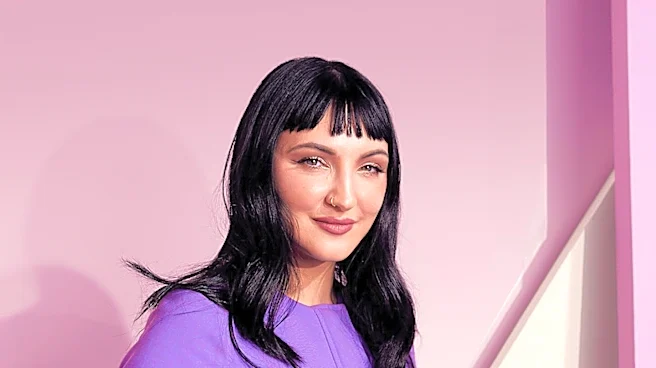
London-based writer, Vogue contributing editor, and model Tish Weinstock highlights the significance of the dressing-up process before an evening out, particularly for cultural events. Weinstock, known for her 'overdressed' personal style, views composing
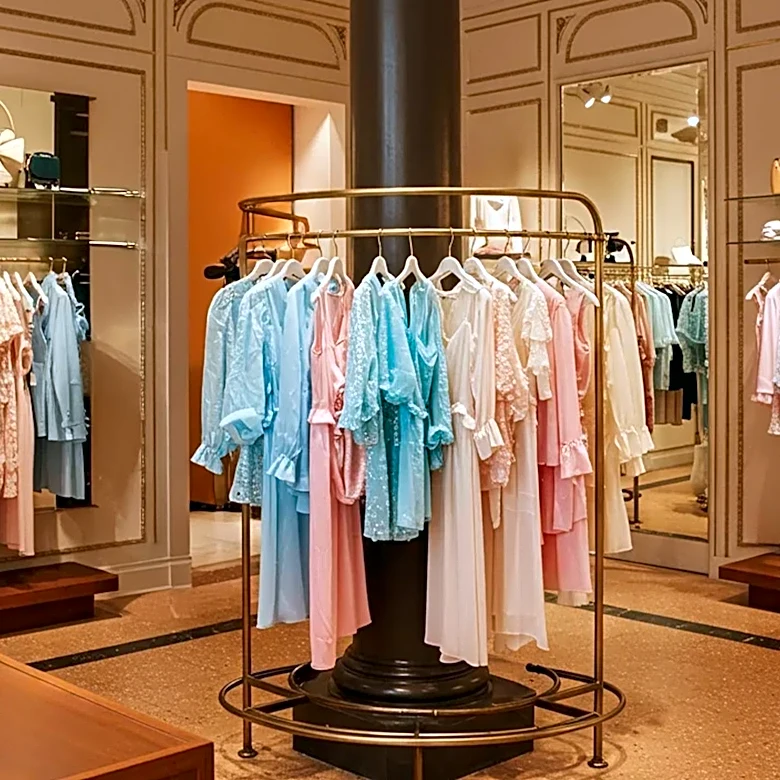
an outfit as a crucial part of the experience, akin to a crescendo before the main event. Her calendar is frequently filled with cultural engagements such as theater, dinner, or ballet, each requiring a distinct ensemble. She notes a growing public desire for in-person cultural experiences, where people seek escape and fantasy, often while being 'fabulously dressed.' Weinstock finds suitable attire in collections that nod to theatrical spirits, such as the H&M Studio Holiday collection, which draws inspiration from early 20th-century Paris opera houses and grand salons.
Why It's Important?
Weinstock's perspective underscores a broader cultural trend where personal style and the act of dressing up are becoming integral to the enjoyment and anticipation of social and cultural events. This emphasis on 'occasion dressing' can stimulate the fashion retail sector, as consumers seek out specific garments and accessories for their outings. For brands like H&M, collaborating with fashion influencers and editors like Weinstock can drive sales and enhance brand perception, particularly for their more directional collections. This trend also reflects a shift in consumer behavior, where experiences are valued as much as, if not more than, material possessions, and fashion plays a key role in enhancing these experiences. The transformative power of an outfit, as described by Weinstock, can boost confidence and contribute to a more immersive engagement with cultural activities.
What's Next?
The continued emphasis on 'occasion dressing' suggests that fashion brands will likely continue to invest in collections tailored for specific events and cultural outings. Retailers may increasingly market their products not just for daily wear but also for their ability to transform and elevate special experiences. This could lead to more collaborations between fashion houses and cultural institutions, or with individuals who embody this 'cultural taste-maker' persona. Consumers can expect to see more curated collections designed to evoke a sense of theatricality and fantasy, encouraging them to view their wardrobe as a tool for self-expression and enhancement of their social lives. The trend also points to a potential resurgence in formal wear and elaborate accessories for non-formal cultural events.
Beyond the Headlines
Weinstock's focus on the ritual of getting dressed before a night out touches upon the psychological and emotional dimensions of fashion. It suggests that clothing is not merely functional but serves as a powerful medium for self-transformation and identity expression. The act of choosing and wearing a specific outfit can be a form of performance, allowing individuals to embody different personas and engage with the world in a new way. This perspective challenges the casualization of modern dress, advocating for a return to intentionality and artistry in personal presentation. It also highlights the role of fashion in creating memorable experiences and fostering a deeper connection to cultural events, moving beyond mere attendance to active participation in the aesthetic and emotional landscape of an evening.