



What's Happening?
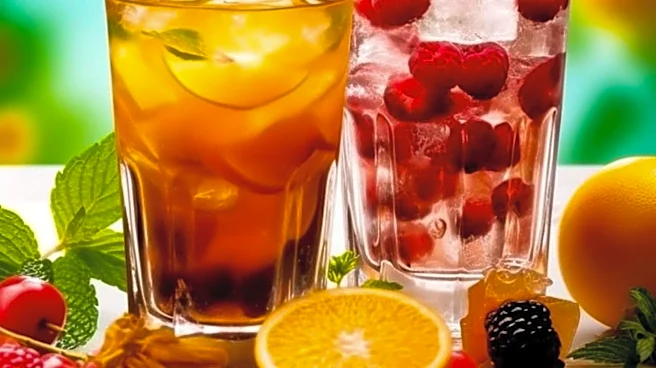
The U.S. is emerging as a dynamic leader in the rapidly expanding no- and low-alcohol beverage market, driven by evolving consumer preferences towards moderation and healthier lifestyles. This trend is transforming the global beverage industry, with no-alcohol
options, in particular, experiencing significant growth across categories like beer, ready-to-drink (RTDs), wine, and spirits. Research indicates that 61 million consumers joined the no-alcohol category between 2022 and 2024 across 10 major markets, with new entrants often being younger legal-drinking-age individuals. Major brands such as Heineken 0.0, Guinness 0, Athletic Brewing, and Budweiser Zero are prominent in the U.S. market, reflecting a broader industry shift to meet this demand. The market's growth is fueled by improved taste, quality, and branding of these alternatives, allowing them to compete more effectively with traditional alcoholic beverages.
Why It's Important?
The surge in the no- and low-alcohol beverage market in the U.S. holds significant implications for the American beverage industry, public health, and consumer culture. This shift represents a substantial economic opportunity for beverage companies, prompting increased investment in product innovation, marketing, and distribution channels. It challenges traditional alcohol consumption patterns, potentially leading to a decline in sales for full-strength alcoholic beverages and a re-evaluation of marketing strategies across the industry. From a public health perspective, the growing popularity of these alternatives could contribute to reduced alcohol-related harm and promote healthier drinking habits among the population. Furthermore, the trend reflects a broader cultural movement towards wellness and mindful consumption, influencing not only beverage choices but also dietary habits and lifestyle preferences across various demographics, particularly among younger consumers who are increasingly seeking functional ingredients and alcohol-adjacent options.
What's Next?
The U.S. no- and low-alcohol beverage market is expected to continue its robust growth trajectory, with further innovation in product development and increased market penetration. Beverage companies will likely intensify their efforts to create more sophisticated and diverse offerings, focusing on taste, quality, and unique flavor profiles to attract a wider consumer base. This will include expanding beyond traditional alcohol-free beer into non-alcoholic wines, spirits, and RTDs, as well as beverages featuring functional ingredients like adaptogens and nootropics. Regulatory bodies may also begin to address labeling standards and marketing practices for these products as the market matures. The ongoing competition between established beverage giants and specialized brands will drive further investment and consolidation within the sector. Ultimately, the sustained growth of this market will depend on continued consumer acceptance, product affordability, and the industry's ability to maintain high standards of quality and innovation.
Beyond the Headlines
The rise of the no- and low-alcohol beverage market in the U.S. extends beyond mere product trends, touching upon deeper societal shifts in health consciousness and social norms. This movement challenges the long-standing cultural association of social gatherings and celebrations with alcohol consumption, fostering environments where non-alcoholic options are not just tolerated but celebrated. It also highlights a generational shift, with younger consumers often prioritizing wellness and mindful choices, potentially leading to a redefinition of what it means to 'drink responsibly.' The industry's response to this trend could also influence agricultural practices, as demand for specific ingredients used in non-alcoholic beverages increases. Moreover, the success of these products could pave the way for similar shifts in other consumer goods sectors, where health and wellness considerations are increasingly driving purchasing decisions, signaling a broader societal move towards more conscious consumption patterns.