

What's Happening?
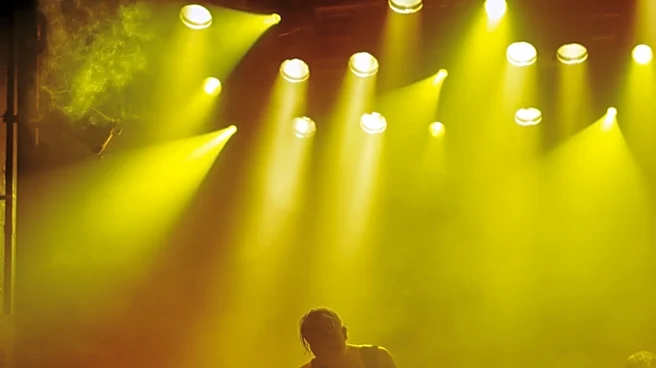
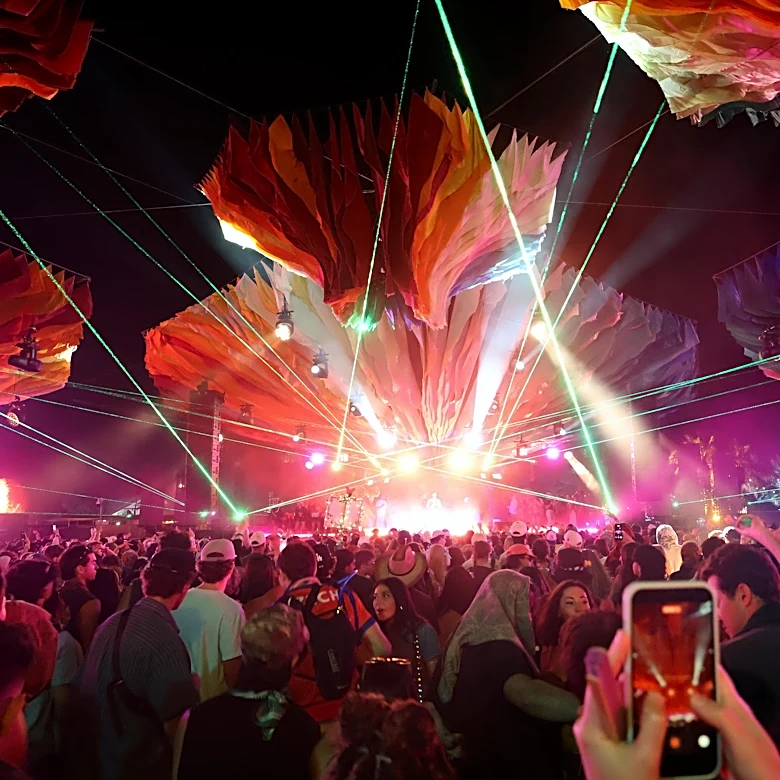
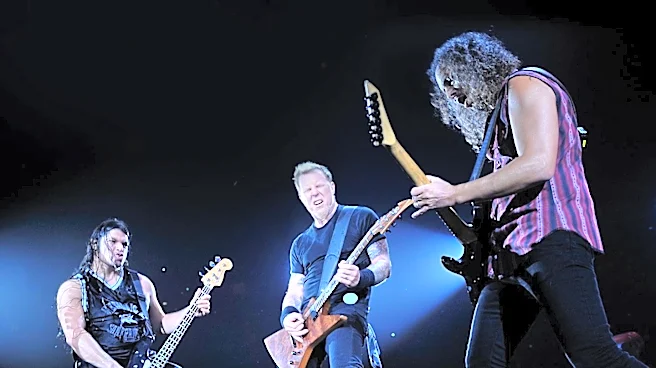
The band Turnstile, known for its hybrid hardcore sound with pop sensibilities, has garnered significant praise from prominent figures in the rock music scene. James Hetfield, frontman of Metallica, revealed on SiriusXM's Riff Life that Turnstile declined
an invitation to tour with Metallica. Despite the refusal, Hetfield expressed admiration for Turnstile's live performances and overall vibe. Similarly, Zach De La Rocha, lead singer of Rage Against the Machine, acknowledged Turnstile's role in introducing a new generation to punk and hardcore music. De La Rocha noted that Turnstile acts as a bridge, leading new fans to discover foundational bands like Minor Threat and Bad Brains. This recognition from established artists highlights Turnstile's growing influence and success in the music industry, demonstrating their ability to attract a wide audience and maintain artistic independence.
Why It's Important?
This development underscores a significant shift in the music industry, where emerging bands like Turnstile can achieve substantial success and recognition without necessarily relying on traditional pathways, such as opening for major acts. Turnstile's decision to decline a tour with Metallica, a legendary band, signals a strong sense of self-sufficiency and confidence in their own trajectory. This independence can inspire other up-and-coming artists to prioritize their unique artistic vision and audience building strategies. For the broader music landscape, it suggests a diversification of power dynamics, where grassroots movements and authentic fan connections can rival the influence of established industry giants. This trend could lead to more varied and innovative music being produced and promoted, benefiting both artists and listeners by fostering a more dynamic and less homogenized music scene.
What's Next?
Turnstile's continued success and independent approach are likely to solidify their position as a leading force in contemporary rock and hardcore music. Their ability to attract high-profile endorsements while maintaining autonomy could set a precedent for other bands navigating the complexities of the music industry. Future tours and album releases from Turnstile will be closely watched, as their choices will further define their career path and influence on the genre. The band's growing fan base and critical acclaim suggest a sustained period of relevance, potentially leading to more collaborations or unique performance opportunities that align with their distinct artistic identity. This trajectory could also encourage more established artists to seek out and support bands that demonstrate similar independence and creative integrity.
Beyond the Headlines
The narrative surrounding Turnstile's rise and their interaction with rock legends touches upon deeper themes of artistic integrity versus commercial opportunity. Their refusal to tour with Metallica, while seemingly counterintuitive for a developing band, speaks to a commitment to their own brand and audience. This decision could be interpreted as a strategic move to cultivate a more dedicated and authentic following, rather than being perceived as merely a supporting act. It also highlights the evolving nature of music consumption and artist development in the digital age, where direct engagement with fans and a strong online presence can be as crucial as traditional touring. This approach challenges the conventional wisdom of career progression in music, suggesting that authenticity and a clear artistic vision can be powerful tools for long-term success and influence.