
What's Happening?
Businesses in Hawaii are increasingly leveraging nostalgia to market and sell products, leading to a significant resurgence in analog experiences and thrifting. The Y2K fashion market alone is valued at
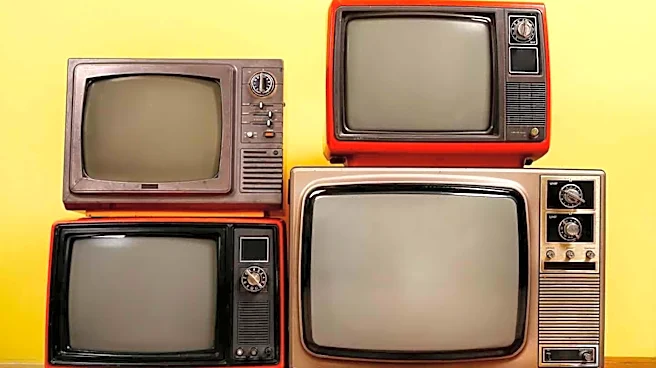
$8.7 billion globally in 2024 and is projected to nearly double by 2033. This trend is evident in the enduring appeal of heritage surf brands, new instant cameras, and the popularity of digital film presets that mimic degraded, grainy photos. Goodwill Hawaii reports a surge in younger shoppers actively seeking specific vintage items not found in new retail. High school freshman Angel Zavala, for instance, scours thrift stores for styles saved on Pinterest, highlighting a deliberate, physical approach to shopping among Gen Z. This shift indicates a premium placed on tangible, nostalgic, and human experiences in contrast to optimized digital lives.
Why It's Important?
This consumer shift has significant implications for the U.S. retail landscape, particularly for local businesses and the secondhand market. It demonstrates that emotional resonance and a sense of authenticity are becoming crucial drivers of purchasing decisions, often outweighing convenience and price. For local businesses in Hawaii, this trend reinforces the value of community-rooted commerce and face-to-face interactions, which have long been foundational to the state's economy. The willingness of consumers to pay more for nostalgic products or to invest time in thrifting challenges the dominance of fast fashion and online retail. This movement also highlights a growing environmental consciousness, as thrifting is seen as a way to reject the waste associated with fast fashion, impacting sustainability efforts and consumer ethics.
What's Next?
The continued growth of nostalgia-driven consumption suggests that more businesses will integrate retro branding, throwback packaging, and vintage aesthetics into their strategies. The secondhand market, including thrift stores and online platforms like eBay, is likely to expand further as consumers actively seek unique, pre-owned items. This trend could also lead to increased demand for analog products beyond fashion, such as physical media and traditional crafts. Local businesses that prioritize human connection and unique in-person experiences are well-positioned to thrive. However, challenges such as rising costs for analog materials and supply chain disruptions, as seen with film prices, will need to be addressed to sustain this growth.
Beyond the Headlines
The analog revival and thrifting boom represent a deeper cultural yearning for authenticity and individuality in an era of digital saturation. For many, especially Gen Z, engaging with physical objects and older formats is a way to express personality and create a unique identity that algorithmic profiles cannot replicate. This behavior challenges the notion that technological advancement always equates to superior experience, suggesting that the 'friction' removed by digital optimization is sometimes precisely what makes an experience meaningful. The act of thrifting, for example, becomes a deliberate search for something specific and physical, offering a sense of discovery and ownership that contrasts with the curated feeds of online shopping. This shift reflects a broader societal re-evaluation of consumption, valuing the story and tangibility of an item over its newness or digital accessibility.