







What's Happening?
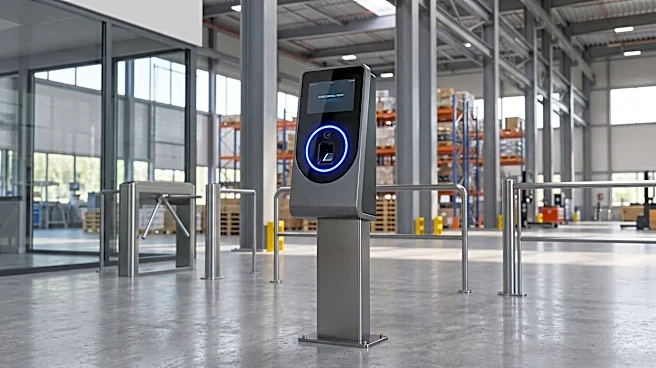
Allied Universal, a leading security and facility services company in North America, is hiring a full-time Security Officer for Biometric Access Control in Kansas City, Missouri. The position, with a pay rate of $18.75 per hour, involves safeguarding
clients in logistics and distribution. The officer's responsibilities include monitoring entry points, verifying credentials, managing visitor access, and maintaining an orderly environment. Key duties also involve providing customer service to drivers, visitors, and personnel, responding to access-related incidents and alarms, and conducting regular patrols of access points, loading areas, parking areas, and the business perimeter to deter unauthorized activity. The role requires the officer to be visible, communicate professionally, and report security concerns.
Why It's Important?
This job opening signifies the increasing integration of biometric technology into physical security operations within the U.S. logistics and distribution sectors. The use of biometric access control enhances security by providing a more reliable method of identity verification compared to traditional methods like key cards or passwords, which can be lost or stolen. For businesses in Kansas City and across the U.S., this trend means improved protection of valuable assets, reduced risk of unauthorized entry, and streamlined access management. The demand for security professionals skilled in biometric systems also indicates a growing job market in this specialized field, offering new career opportunities for individuals interested in security technology. This shift reflects a broader industry move towards advanced security solutions to combat evolving threats.
What's Next?
The continued adoption of biometric access control systems in logistics and other industries will likely lead to a greater demand for security personnel trained in these technologies. Allied Universal and similar security firms will need to invest in training programs to equip their officers with the necessary skills to operate and troubleshoot biometric systems. For businesses, this means evaluating and potentially upgrading their existing security infrastructure to incorporate biometrics, which could involve significant capital investment. The widespread use of biometrics in access control could also influence industry standards for security protocols and data privacy, as companies will need to ensure the secure handling of biometric data collected from employees and visitors.
Beyond the Headlines
The integration of biometrics into workplace security, particularly in critical sectors like logistics, raises important ethical and privacy considerations. While enhancing security, the collection and storage of biometric data, such as fingerprints or facial scans, introduce concerns about data breaches and potential misuse of personal information. Companies implementing these systems must navigate a complex landscape of data protection regulations and ensure transparency with employees and visitors about how their data is used and protected. This trend could also lead to broader societal discussions about the balance between security and individual privacy in an increasingly surveilled environment, potentially influencing future legislation regarding biometric data in the workplace.