






What's Happening?
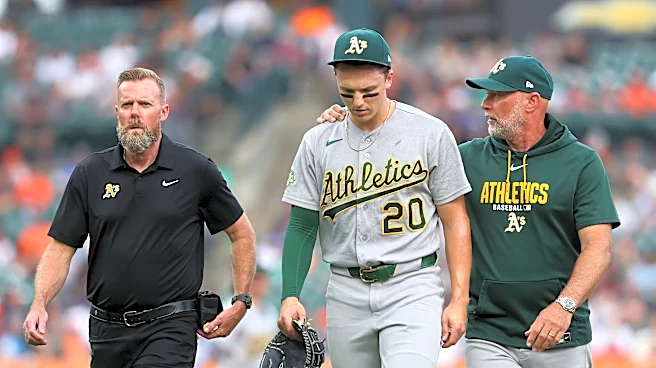
Oakland Athletics outfielder Zack Gelof has filed a lawsuit against the Detroit Tigers, Ilitch Holdings, and the Detroit-Wayne County Stadium Authority. The lawsuit seeks damages for an injury Gelof sustained last summer when his right knee collided with
a Comerica Park fence during a game. The incident occurred on July 9 during a 4-1 loss to the Tigers, as Gelof made a sliding catch in foul territory. He immediately clutched his knee in pain, and a tear in his uniform pants revealed where his leg made contact with the metal fence. Gelof suffered a deep cut under his right kneecap, narrowly missing a tendon, and was sidelined until August 10. His attorney, Jon Marko, stated that the injury could have been prevented with basic and inexpensive padding, which was installed after the incident. Gelof's attorney emphasized that even a little league diamond would be safer, highlighting the perceived negligence in stadium design. The Tigers have acknowledged awareness of the lawsuit but declined to comment on pending litigation.
Why It's Important?
This lawsuit highlights significant concerns regarding player safety in professional sports venues and the potential legal liabilities faced by teams and stadium operators. The claim that a simple and inexpensive safety measure, such as padding, could have prevented a serious injury raises questions about the standards of care and maintenance in MLB stadiums. For the Detroit Tigers and other professional sports organizations, this case could set a precedent for increased scrutiny of stadium infrastructure and player protection protocols. A ruling in Gelof's favor could lead to mandatory safety upgrades across the league, impacting operational costs and potentially influencing future stadium design and renovation projects. Furthermore, it underscores the financial and career risks athletes face due to workplace hazards, potentially affecting contract negotiations and insurance policies for players. The outcome could also influence how teams manage their facilities and prioritize player well-being, extending beyond just the immediate playing field to other areas accessible to athletes.
What's Next?
The lawsuit will proceed through the legal system, with the Detroit Tigers, Ilitch Holdings, and the Detroit-Wayne County Stadium Authority expected to formally respond to Gelof's claims. This will likely involve discovery phases, where both sides gather evidence, including stadium design specifications, maintenance records, and medical reports related to Gelof's injury. Expert testimonies on stadium safety and sports medicine will likely play a crucial role. The case could either go to trial or be settled out of court, with a settlement potentially including financial compensation for Gelof's damages, medical expenses, and lost income. Regardless of the specific outcome, the legal proceedings will likely draw attention to stadium safety standards across Major League Baseball, potentially prompting other teams to review and enhance their own facility safety measures to prevent similar incidents and avoid future litigation. The resolution of this case could influence future collective bargaining agreements between players and the league regarding safety protocols.
Beyond the Headlines
Beyond the immediate legal and financial implications, this lawsuit touches upon broader ethical responsibilities of sports organizations towards their athletes. The attorney's comment about a 'little league diamond' being safer implicitly criticizes the prioritization of aesthetics or cost-saving over fundamental player safety in professional venues. This case could spark a wider conversation about the duty of care owed to professional athletes, who are essentially employees performing high-risk activities in environments controlled by their employers. It also highlights the power dynamics between individual athletes and large corporate entities, where legal action may be the only recourse for seeking accountability. The outcome could influence public perception of team ownership and management, potentially affecting fan loyalty and sponsorship deals if the organization is perceived as negligent. Ultimately, this incident could contribute to a cultural shift within professional sports, emphasizing proactive safety measures and a more robust commitment to player welfare, moving beyond reactive responses to injuries.