









What's Happening?
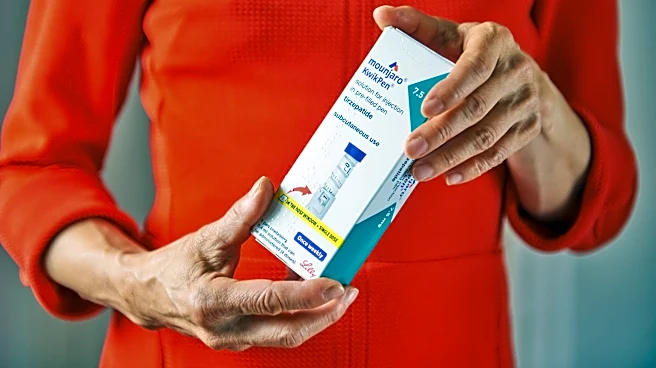
Pharmaceutical giant Eli Lilly has launched legal action in the London High Court to combat black-market websites distributing counterfeit versions of its medicines, including the weight-loss drug Mounjaro. The company has instructed Kirkland & Ellis
to file a case, naming major internet service providers (ISPs) like BT, EE, Plusnet, Sky, TalkTalk, and Virgin Media as defendants. Eli Lilly aims to secure an order requiring these ISPs to block UK consumers from accessing sites selling unauthorized and unverified versions of its products. The company emphasizes that these black-market products are not legitimate medicines and pose serious health risks, as they are entirely unverified and unauthorized. This legal move follows a similar High Court ruling in May that granted the first-ever medicine blocking order against ISPs for counterfeit semaglutide and other prescription-only medicines. The action comes amidst a surge in counterfeit weight-loss drugs due to high demand and limited supply, with the Medicines and Healthcare products Regulatory Agency (MHRA) previously issuing warnings about falsified Mounjaro KwikPens.
Why It's Important?
This legal action by Eli Lilly underscores a critical and growing public health concern related to counterfeit pharmaceuticals, particularly in the high-demand weight-loss drug market. The proliferation of fake medicines on black-market websites poses significant risks to consumers, who may unknowingly ingest unverified, unauthorized, and potentially harmful substances. The involvement of major ISPs as defendants highlights the challenge of controlling the online distribution of illicit goods and sets a precedent for corporate responsibility in combating such activities. If successful, this legal strategy could establish a more robust framework for pharmaceutical companies to protect their intellectual property and, more importantly, safeguard public health from dangerous counterfeits. The case also reflects the broader struggle against illegal online markets that exploit consumer demand, potentially leading to financial losses for legitimate businesses and severe health consequences for individuals seeking affordable or readily available alternatives to prescription medications.
What's Next?
Eli Lilly will continue its legal proceedings in the London High Court, seeking an order to compel ISPs to block access to black-market websites. The outcome of this case could set a significant precedent for how pharmaceutical companies and internet service providers collaborate to combat the online sale of counterfeit drugs. Regulators and law enforcement agencies worldwide are expected to monitor the situation closely, potentially leading to similar actions in other jurisdictions. Eli Lilly has also launched a public awareness campaign in Ireland, urging consumers to obtain medications only from regulated sources. This multi-pronged approach, combining legal action with public education, indicates a sustained effort to disrupt the illegal market for counterfeit medicines and protect patient safety. Consumers are advised to remain vigilant and only purchase medications from licensed pharmacies and verified sources.
Beyond the Headlines
The rise of black-market websites selling counterfeit versions of popular drugs like Mounjaro reveals deeper societal and economic implications. The high demand for weight-loss medications, coupled with supply shortages and high costs, creates a fertile ground for illicit markets. This situation highlights the ethical dilemma of access to essential or highly desired medications and the potential for exploitation when legitimate channels are perceived as insufficient or too expensive. The legal battle also touches upon the evolving role of internet service providers in content moderation and their responsibility in preventing the distribution of harmful products. Beyond the immediate health risks, the prevalence of counterfeit drugs erodes public trust in pharmaceutical products and healthcare systems. This trend could necessitate a re-evaluation of drug accessibility, pricing strategies, and international regulatory cooperation to effectively counter the sophisticated networks behind the black market for medicines.