







What's Happening?
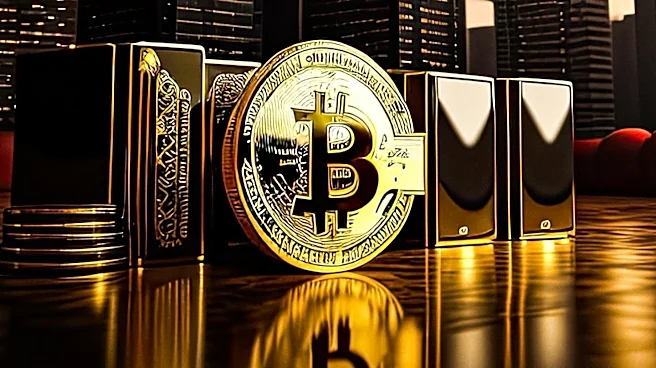
President Donald Trump's latest financial disclosure reveals that he earned more than $1 billion from cryptocurrency ventures in 2025. The disclosure highlights significant income from token sales through World Liberty Financial and a licensing agreement
for Trump-branded meme coins. The document shows Trump received over $500 million from World Liberty Financial, including token sales and equity stake sales. Additionally, he earned more than $635 million from licensing agreements related to meme coins. The disclosure underscores the rapid growth of Trump's involvement in the crypto industry, which has become a major part of his business empire. The Trump administration has actively supported the crypto industry, creating a Strategic Bitcoin Reserve and hosting industry leaders at a White House summit.
Why It's Important?
The financial disclosure highlights the significant role cryptocurrency plays in President Trump's business interests, reflecting the broader trend of digital assets becoming a major economic force. Trump's involvement in the crypto industry could influence U.S. policy and regulatory approaches, potentially shaping the country's position as a leader in digital assets. The administration's support for the crypto industry, including easing enforcement against major firms and pushing for favorable legislation, could have lasting impacts on the sector's growth and innovation. Stakeholders in the crypto industry may benefit from a supportive regulatory environment, while critics may raise concerns about potential conflicts of interest and the implications of a president deeply involved in a volatile market.
What's Next?
As President Trump continues to expand his crypto ventures, the administration's policies and regulatory actions will likely remain under scrutiny. The potential for new legislation and regulatory changes could impact the crypto market and its stakeholders. Observers will watch for further developments in Trump's business dealings and their influence on U.S. policy. The administration's actions may prompt reactions from political leaders, industry groups, and civil society organizations, particularly regarding transparency and conflict of interest concerns.