




What's Happening?
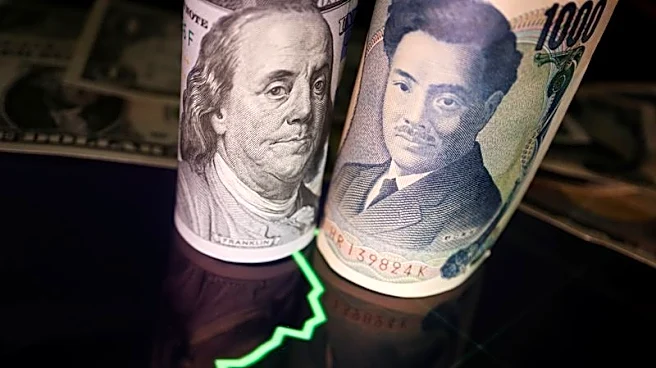
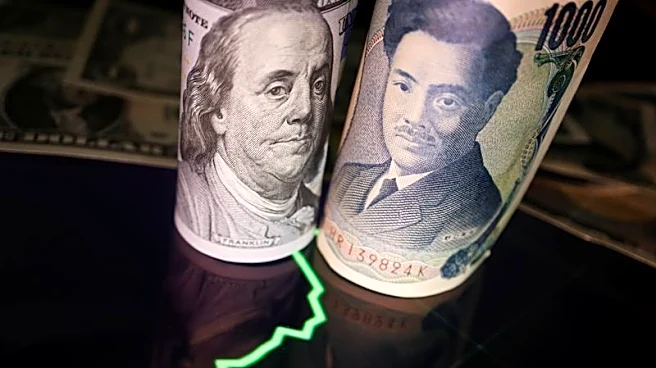
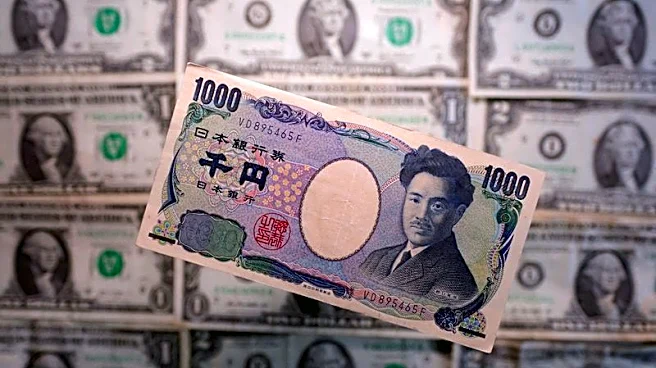
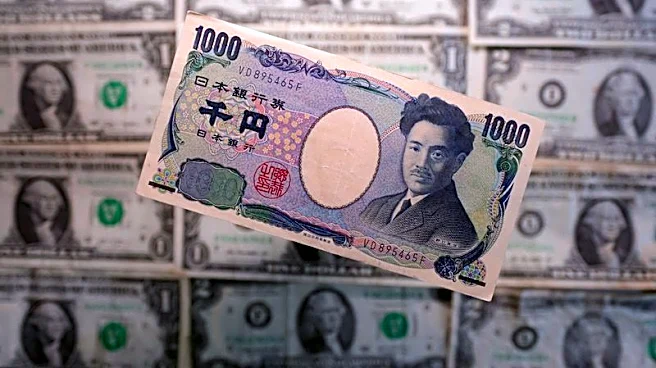
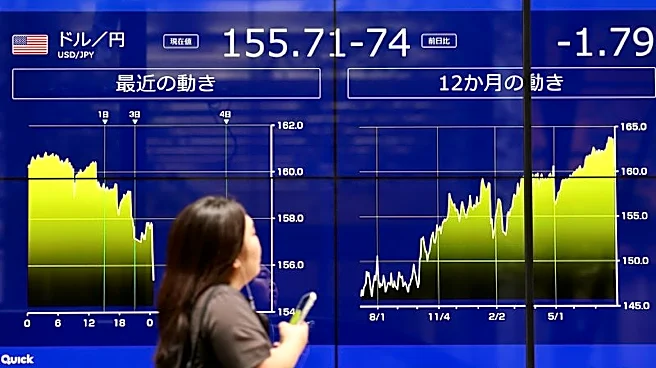
The U.S. and Japan have conducted their first joint intervention in the foreign exchange market since 2011 to support the yen, which had fallen to a 40-year low. The intervention involved Japan selling nearly $60 billion to stabilize the yen, while the U.S. planned
to spend between $5 billion and $10 billion. This move comes amid concerns about the potential impact on U.S. bond yields, as Japan is the largest foreign holder of U.S. Treasuries. The intervention aims to prevent excessive volatility in the yen and its spillover effects on global financial markets.
Why It's Important?
The joint intervention highlights the interconnectedness of global financial markets and the potential consequences of currency volatility. For the U.S., maintaining a stable yen is crucial to protecting its economic interests and trade agreements with Japan. The intervention also reflects broader concerns about the impact of currency fluctuations on U.S. borrowing costs and the stability of the global financial system. As Japan holds significant U.S. debt, any large-scale selling of Treasuries to support the yen could affect U.S. bond markets and interest rates.
What's Next?
Both countries have expressed readiness to intervene again if necessary, indicating ongoing vigilance over the yen's performance. The Federal Reserve's potential role in providing a repo facility using Japan's bond holdings as collateral could be a key tool in future interventions. Market participants will be closely watching for any changes in U.S. monetary policy that could influence the yen and global financial stability. The situation also raises questions about the timing and coordination of future interventions, especially in light of potential Federal Reserve rate hikes.