







What's Happening?
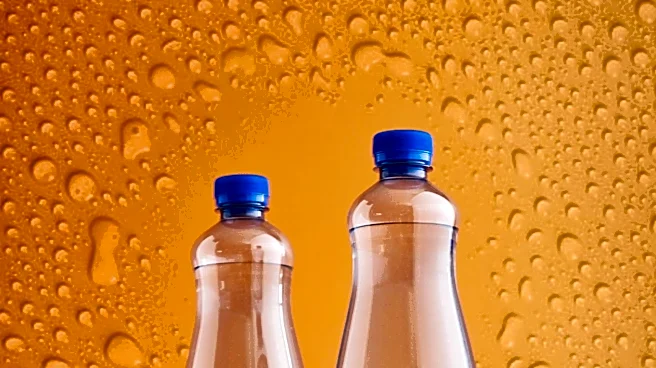
Recent discussions among health experts have highlighted the risks associated with leaving single-use plastic water bottles in hot environments, such as inside a car. These bottles, typically made from PET (polyethylene terephthalate), can leach chemicals
like phthalates and BPAs when exposed to heat or direct sunlight. Phthalates are used to make plastics flexible, while BPAs are found in polycarbonate plastics. Both are known endocrine disruptors, potentially interfering with natural hormones and linked to health issues such as infertility, thyroid dysfunction, cancer, and behavioral problems in children. Despite the FDA's stance that current levels of these chemicals in food packaging are safe, experts recommend minimizing additional exposure. Furthermore, heat can accelerate the release of microplastics into the water, which may pose unknown health risks.
Why It's Important?
The potential health risks associated with chemical leaching from plastic bottles are significant, as they could impact a wide range of health issues. The presence of endocrine disruptors in everyday items raises concerns about long-term exposure and its effects on human health. Additionally, the release of microplastics into drinking water is a growing concern, with studies suggesting possible links to oxidative damage and DNA changes. This issue underscores the importance of public awareness and the need for safer alternatives, such as reusable stainless steel or glass bottles, which do not pose the same risks. The shift towards these alternatives not only benefits individual health but also contributes to environmental sustainability by reducing plastic waste.
What's Next?
As awareness of the risks associated with plastic water bottles grows, it is likely that more consumers will turn to safer alternatives. Health professionals and environmental advocates may continue to push for increased public education on the topic, as well as potential regulatory changes to limit the use of harmful chemicals in consumer products. The trend towards reusable bottles could also drive innovation in the market, with companies developing new materials and designs that prioritize safety and sustainability. Additionally, further research into the effects of microplastics on human health could lead to more comprehensive guidelines and policies.
Beyond the Headlines
The issue of chemical leaching from plastic bottles highlights broader concerns about the safety of everyday consumer products and the regulatory frameworks that govern them. It raises questions about the adequacy of current safety standards and the role of scientific research in informing public policy. The cultural shift towards sustainability and health consciousness may also influence consumer behavior and industry practices, leading to a reevaluation of the materials used in product manufacturing. This development could have long-term implications for public health, environmental protection, and the global plastics industry.