







What's Happening?
Atlas Air Worldwide Holdings is among several entities named in a 32-page lawsuit filed by the family of a survivor of an Amazon cargo plane accident in Miami. The lawsuit seeks over $50,000 in damages and alleges potential operational failures, including
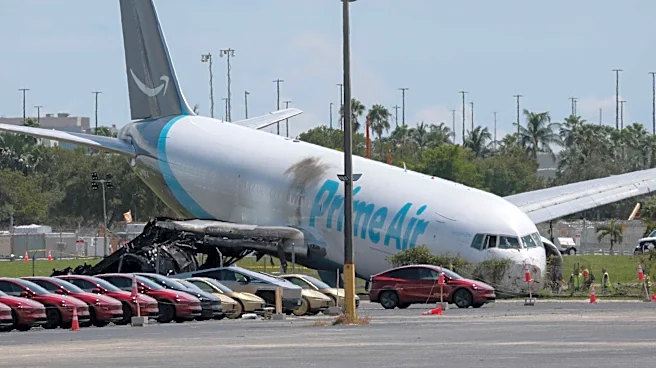
issues with pilot training, supervision, maintenance, and decision-making during the landing. The incident involved a Boeing 767-300 cargo plane, operating as Prime Air flight 7598, which veered off the runway at Miami International Airport, impacting vehicles and nearby areas. Roosevelt S. Perdomo Torres, a 36-year-old Cuban worker, survived the crash but sustained multiple injuries, including fractures to a hand, leg, and ankle. His legal action follows a previous lawsuit filed by the family of one of the five fatalities, Yoel Rodríguez Naranjo, which also cited Amazon, 21 Air, and the pilots for alleged failures. The lawsuit claims that warnings about an overly rapid approach and excessive descent were heard in the cockpit for at least a minute, and that the aircraft landed at an unsafe speed and too far down the runway.
Why It's Important?
This lawsuit highlights critical safety concerns within the air cargo industry, particularly regarding pilot training, aircraft maintenance, and operational decision-making. For Atlas Air Worldwide Holdings and other implicated companies, including Amazon, the legal proceedings could result in significant financial liabilities and reputational damage. The allegations of inadequate pilot training and supervision, if proven, could lead to stricter regulatory oversight and changes in industry practices to enhance safety protocols. The incident also underscores the inherent risks faced by ground personnel working near airport operations, as evidenced by the severe injuries sustained by the survivor. The outcome of this case could set precedents for accountability in air cargo accidents, influencing how responsibilities are distributed among operators, lessors, and e-commerce giants like Amazon, which rely heavily on air freight for their logistics.
What's Next?
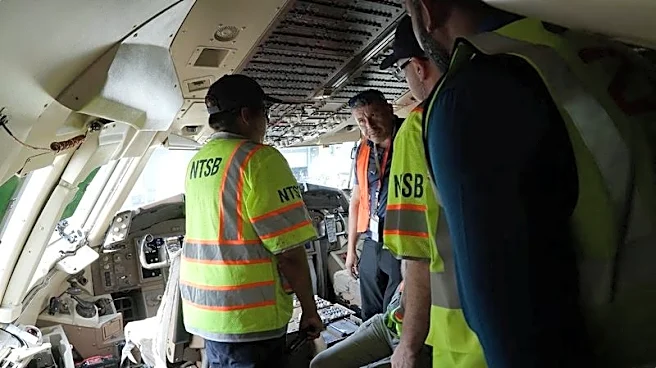
The legal process will likely involve extensive discovery, where evidence related to pilot training records, maintenance logs, and flight data recorders will be scrutinized. The National Transportation Safety Board (NTSB) or other relevant aviation authorities will continue their official investigations into the accident's circumstances, which could provide crucial information for the ongoing lawsuits. Depending on the findings, there could be calls for new safety regulations or amendments to existing ones within the air cargo sector. The involved companies, including Atlas Air Worldwide Holdings, will need to prepare their defense, potentially facing settlements or court-ordered compensation. The survivor, Roosevelt S. Perdomo Torres, remains in intensive care, and his medical recovery will be a significant factor in the ongoing legal proceedings. The case's resolution could influence future operational standards and liability frameworks for air freight carriers and their partners.
Beyond the Headlines
Beyond the immediate legal and financial ramifications, this incident and subsequent lawsuit bring to light the complex web of responsibilities in modern logistics, where multiple companies are involved in the operation of a single cargo flight. The reliance of e-commerce giants like Amazon on third-party carriers means that their brand reputation is intrinsically linked to the safety and operational integrity of their partners. This case could prompt a re-evaluation of contractual agreements and oversight mechanisms between e-commerce platforms and their air cargo providers. Furthermore, the human element of the accident, particularly the survivor's split-second decision-making, underscores the unpredictable nature of such events and the profound impact they have on individuals and their families. The broader implications could extend to insurance practices, risk assessment models, and the public's perception of air cargo safety, potentially leading to increased scrutiny of the entire supply chain.