






What's Happening?
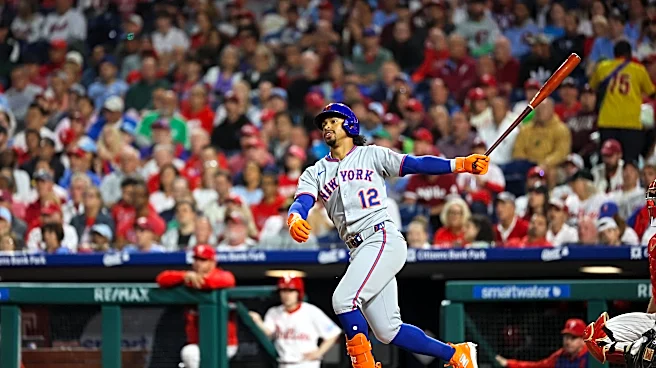
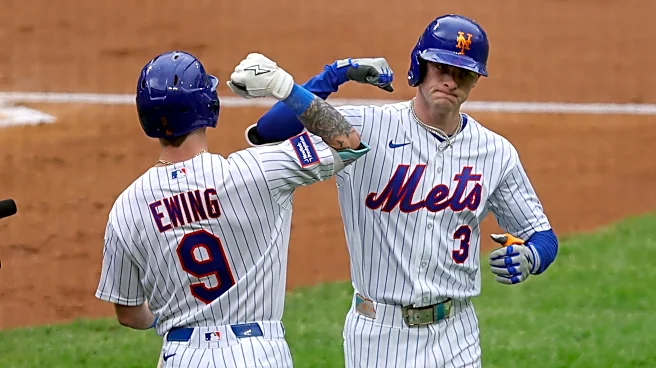
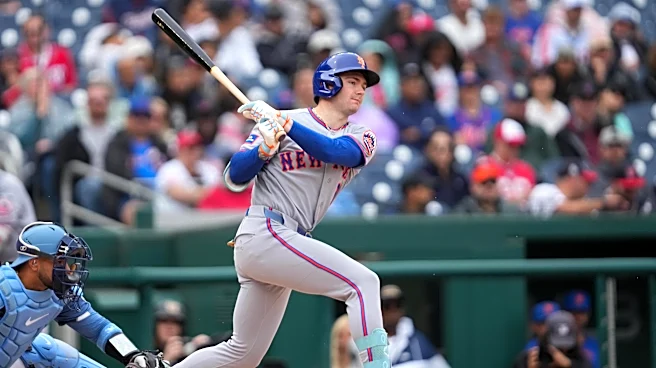
Steve Cohen, owner of the New York Mets, has made significant moves to secure the team's future by signing key players to long-term contracts. The Mets recently reached an agreement with Carson Benge on an eight-year, $130 million extension, which includes
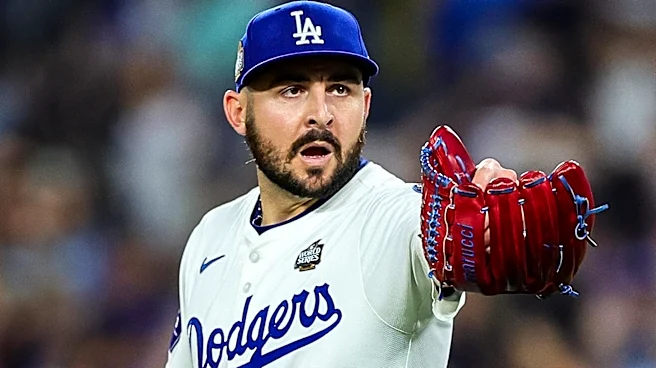
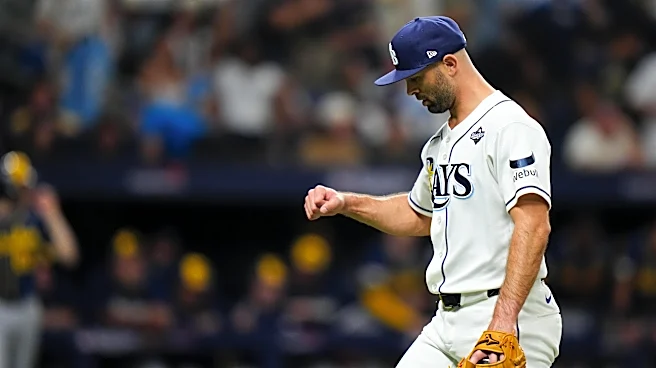
a ninth-year option. This deal mirrors a similar structure forged earlier in the week with A.J. Ewing. These extensions ensure the Mets maintain team control over Ewing through at least his age-29 season and Benge through his age-31, covering their prime playing years. Under current rules, these contracts buy out multiple free agent years for both players. Additionally, the Mets have been active in the free agent market, signing pitcher Tarik Skubal to a record contract and securing left-handed reliever Alex Vesia for three years at $39 million. These strategic signings aim to provide cost certainty and roster stability for the team in the coming years.
Why It's Important?
These long-term contracts are crucial for the Mets as they navigate potential changes in future collective bargaining agreements. A new CBA might introduce a salary cap or stricter penalties for high payrolls, making cost certainty and player control even more valuable. By locking in young talent like Benge and Ewing, the Mets are proactively mitigating future financial risks and ensuring a stable core for their roster. This strategy allows the team to build around established players, fostering continuity and reducing the need to constantly compete in the volatile free agent market for core talent. The significant investment reflects Cohen's commitment to building a sustainable winning franchise, addressing the team's history of underperformance and the high expectations from its fanbase.
What's Next?
The Mets' strategy of securing long-term contracts for promising young players suggests a continued focus on building a sustainable, competitive team. As the current collective bargaining agreement approaches its expiration, the team's proactive approach positions them favorably to adapt to potential new rules regarding free agency and payroll. Future negotiations for other key players may follow a similar long-term extension model. The team will likely continue to monitor the free agent market for opportunities to strengthen specific areas, but with a core group locked in, their focus can shift to complementary pieces. The success of these long-term investments will be measured by the team's performance in upcoming seasons and their ability to contend for championships.
Beyond the Headlines
The Mets' aggressive long-term contract strategy could influence how other MLB teams approach player development and retention. In an era where player movement and free agency often dominate headlines, securing young talent for extended periods offers a model for stability and team building. This approach also highlights the increasing financial power of team owners like Steve Cohen, who are willing to make substantial investments to secure a competitive advantage. The emphasis on cost certainty in anticipation of future CBA changes reflects a sophisticated understanding of the evolving economic landscape of professional sports. This could lead to a trend where teams prioritize locking up their young stars earlier in their careers to gain control and predictability.