







What's Happening?
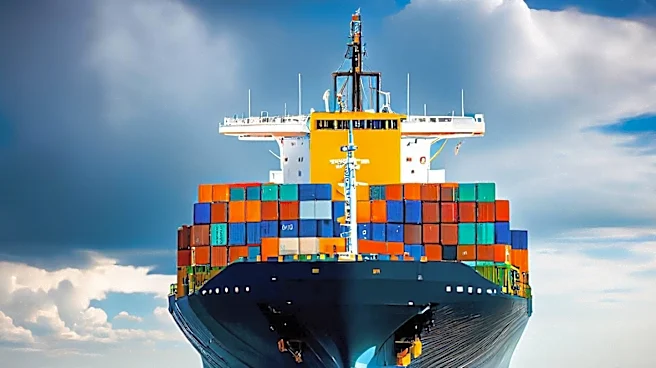
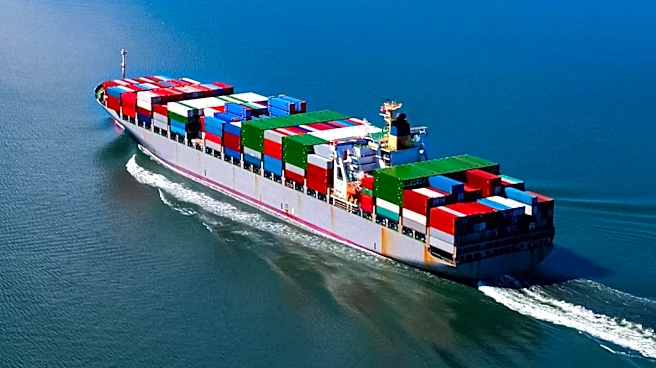
Liberty Maritime, a significant player in the maritime industry, has been actively lobbying to influence U.S. maritime policy, particularly focusing on the SHIPS for America Act. This legislation, introduced by Sen. Mark Kelly, Sen. Todd Young, Rep. John
Garamendi, and Rep. Trent Kelly, aims to enhance the competitiveness of the U.S. merchant marine fleet. The act proposes increasing the percentage of civilian U.S. government agency cargoes that must be transported on U.S.-flagged vessels, currently set at 50 percent. Liberty Maritime has spent $1.705 million on lobbying over the past four quarters, engaging multiple firms such as Winston & Strawn LLP and Greenberg Traurig LLP. The company has also been involved in lobbying for revisions to Section 301 tariffs and advocating for food aid and cargo preference legislation, including S.525 and H.R.1207.
Why It's Important?
The lobbying efforts by Liberty Maritime underscore the strategic importance of the SHIPS for America Act in bolstering the U.S. maritime industry. By advocating for increased cargo preference for U.S.-flagged vessels, the company aims to strengthen the U.S. merchant marine fleet, which is crucial for national security and economic stability. The act's implementation could lead to a more competitive U.S. fleet, ensuring that American-flagged vessels have a larger share of government cargoes. This move could also impact agricultural exports and maritime commerce, as it aligns with broader debates on trade and national security. The significant financial investment in lobbying highlights the high stakes involved for industry players like Liberty Maritime.
What's Next?
If the SHIPS for America Act gains traction, it could lead to legislative changes that favor U.S.-flagged vessels, potentially reshaping the competitive landscape of the maritime industry. Stakeholders, including other shipping companies and trade organizations, may respond by either supporting or opposing the act, depending on their interests. The outcome of this lobbying effort could influence future maritime policies and trade agreements, affecting how U.S. government cargoes are allocated. Additionally, the ongoing advocacy for tariff revisions and cargo preference legislation suggests that Liberty Maritime will continue to play a pivotal role in shaping maritime policy.