







What's Happening?
Global cryptocurrency exchange Binance has issued a warning regarding a growing 'fake payment scam' where fraudsters use counterfeit tokens to pay for goods and services. These scams involve creating tokens that mimic well-known cryptocurrencies like
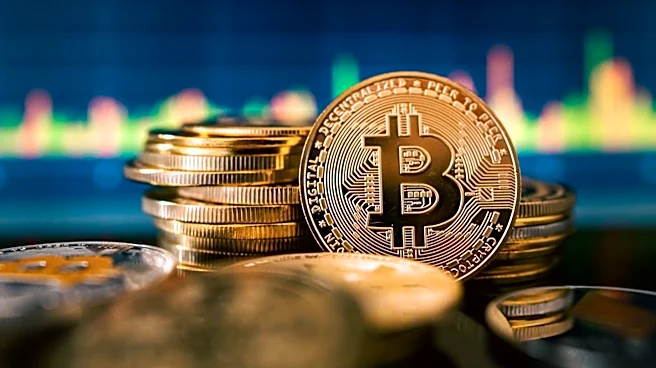
Tether (USDT) or Bitcoin (BTC), complete with matching names, logos, and even displayed dollar-converted values on wallet screens. This makes the fake tokens appear legitimate to unsuspecting sellers. The scammers typically issue these counterfeit tokens cheaply, often through memecoin launchpads, and create small liquidity pools to give the illusion of genuine trading. Once a victim accepts the fake payment and delivers the goods or services, the scammer sells their entire holding of the counterfeit tokens, draining the real cryptocurrency from the liquidity pool and rendering the fake tokens worthless. Victims are left with unsellable tokens, having lost their goods or services.
Why It's Important?
This scam poses a significant threat to individuals and businesses engaging in cryptocurrency transactions, particularly those less familiar with the intricacies of digital assets. The deceptive nature of these counterfeit tokens, which are nearly indistinguishable from legitimate ones on a wallet screen, exploits a critical vulnerability in user perception and trust. The prevalence of such scams could erode confidence in cryptocurrency as a viable payment method for goods and services, potentially hindering its broader adoption. For the U.S. market, where cryptocurrency adoption is growing, these fraudulent activities highlight the need for increased user education and robust security measures from exchanges and wallet providers. The financial losses incurred by victims can range from minor to substantial, impacting individual livelihoods and small businesses that accept crypto payments. The ease with which these fake tokens can be created and the sophisticated methods used to deceive sellers underscore an evolving challenge in the digital asset landscape.
What's Next?
Binance's warning suggests an ongoing effort by cryptocurrency exchanges to educate users and provide prevention tips against these scams. It is anticipated that exchanges will continue to enhance their security protocols and user interfaces to better identify and flag suspicious tokens or transactions. Users are advised to exercise extreme caution, verify transactions meticulously, and be wary of pressure tactics from buyers. Regulatory bodies may also consider issuing advisories or implementing measures to protect consumers from such fraudulent schemes as the crypto market matures. The development of more sophisticated wallet features that can distinguish between legitimate and counterfeit tokens more effectively could also be a future step. Furthermore, increased collaboration between exchanges, law enforcement, and cybersecurity experts will be crucial in tracking and prosecuting these scammers.
Beyond the Headlines
The 'fake payment scam' highlights a deeper issue within the decentralized nature of cryptocurrency: the ease with which malicious actors can exploit the system's openness. The ability to create tokens with minimal oversight and mimic established brands raises questions about token authenticity and the need for more robust verification mechanisms. This situation underscores the ongoing tension between innovation and regulation in the crypto space. While decentralization offers freedom and efficiency, it also presents avenues for exploitation. The psychological aspect of these scams, where visual cues (logos, names) are used to override critical thinking, points to the importance of digital literacy and skepticism in online transactions. This trend could lead to a demand for more centralized verification services or industry-wide standards for token issuance and display, potentially shifting the balance in the crypto ecosystem towards greater oversight to protect users.