



What's Happening?
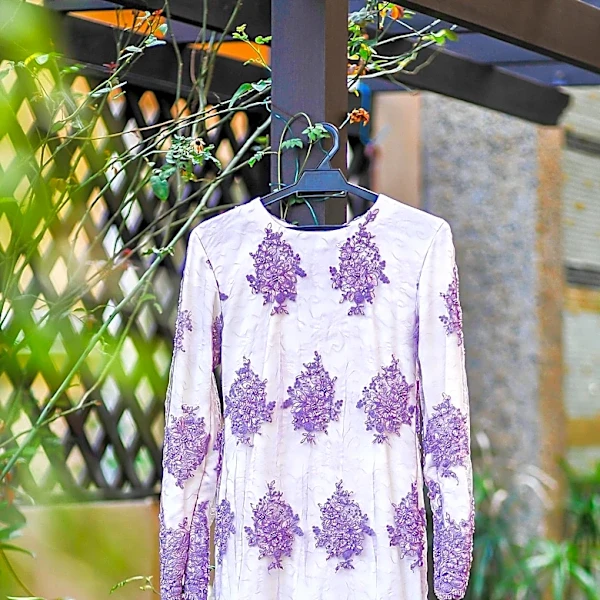
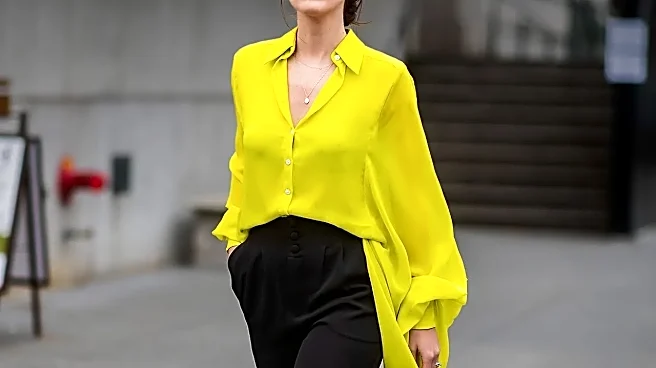
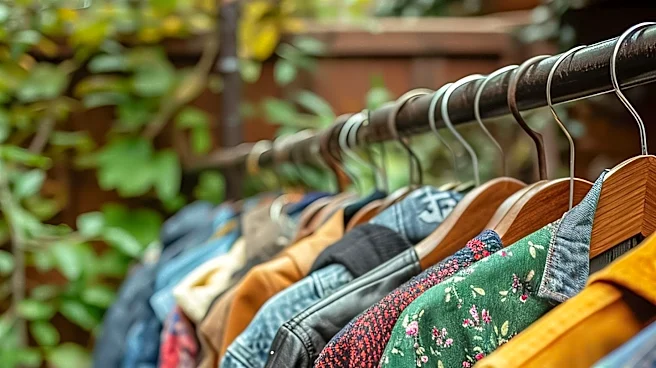
Current fashion trends for 'Outfit of the Day' (OOTD) are showcasing a diverse range of styles, from formal wear to casual ensembles. For weddings, a dramatic black and white asymmetrical dress is noted as a key trend. Casual fashion is leaning towards
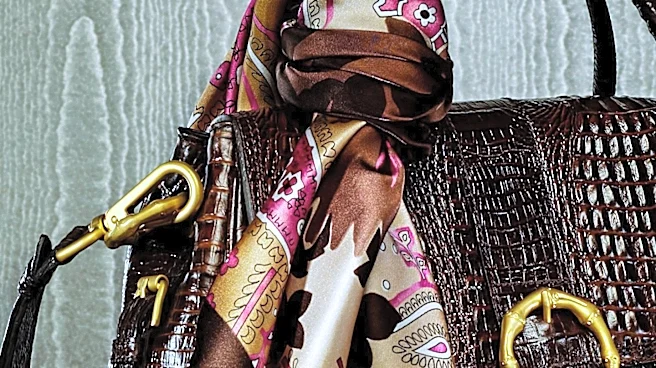
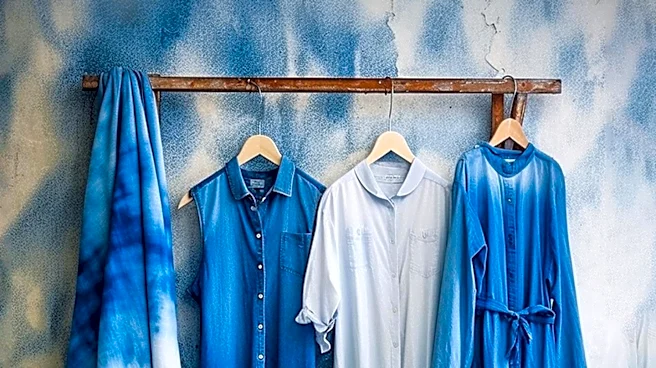
stylish combinations of denim and flannel. Accessories are playing a significant role, with versatile tote bags being paired with tailored jackets and trousers to elevate outfits. Additionally, the season's 'it-bag' is being highlighted by fashion creatives as a crucial element to enhance simpler looks. These trends reflect a blend of sophistication and relaxed styling, catering to various occasions and personal preferences. The emphasis is on creating polished yet effortless appearances, whether for formal events or everyday wear. The integration of specific accessories like the 'it-bag' suggests a focus on curated details to complete an outfit.
Why It's Important?
These evolving fashion trends are important for the U.S. retail and apparel industries, influencing consumer purchasing decisions and manufacturing priorities. The shift towards specific styles like asymmetrical dresses and denim-flannel combinations dictates inventory management and marketing strategies for fashion brands and retailers. The prominence of versatile accessories, such as tote bags and 'it-bags,' underscores the continued consumer interest in functional yet fashionable items, potentially boosting sales in the accessories market. For consumers, these trends offer new avenues for personal expression and style, impacting how they perceive and invest in their wardrobes. The emphasis on both formal and casual wear indicates a dynamic market that caters to a broad spectrum of lifestyle needs, from special occasions to daily routines. This adaptability is crucial for brands aiming to remain relevant and competitive in the fast-paced fashion landscape.
What's Next?
Looking ahead, the fashion industry will likely continue to adapt to these emerging trends, with designers and retailers incorporating these styles into upcoming collections. Consumers can expect to see more variations of asymmetrical dresses, denim and flannel pairings, and a wider selection of versatile tote bags and 'it-bags' in stores. Fashion creatives will continue to influence these trends through social media and other platforms, potentially introducing new ways to style these pieces or highlighting complementary items. The focus on both dramatic formal wear and casual, stylish combinations suggests a sustained demand for versatile wardrobes that can transition seamlessly between different settings. Brands may also explore sustainable or ethically sourced materials for these popular styles, responding to growing consumer awareness and demand for responsible fashion. The evolution of these trends will be closely watched by industry stakeholders to anticipate future shifts in consumer preferences.
Beyond the Headlines
Beyond the immediate commercial implications, these fashion trends reflect broader cultural shifts in how individuals approach personal style and self-presentation. The embrace of asymmetrical designs suggests a move towards more unconventional and artistic expressions in formal wear, challenging traditional aesthetics. The enduring popularity of denim and flannel, combined with tailored elements, highlights a desire for comfort and practicality without sacrificing style, reflecting a more relaxed yet refined approach to everyday dressing. The emphasis on versatile accessories like tote bags points to a lifestyle that values functionality and adaptability, where single items can serve multiple purposes. The concept of the 'it-bag' also speaks to the influence of social media and celebrity culture in shaping consumer desires and creating aspirational fashion items. These trends collectively indicate a dynamic interplay between individual expression, comfort, and the pervasive influence of digital culture on contemporary fashion.