





What's Happening?
The trend of health trackers is shifting towards more stylish and discreet designs, appealing to fashion-conscious consumers. With nearly 60% of U.S. adults using health trackers, there is a growing demand for devices that not only perform well but also
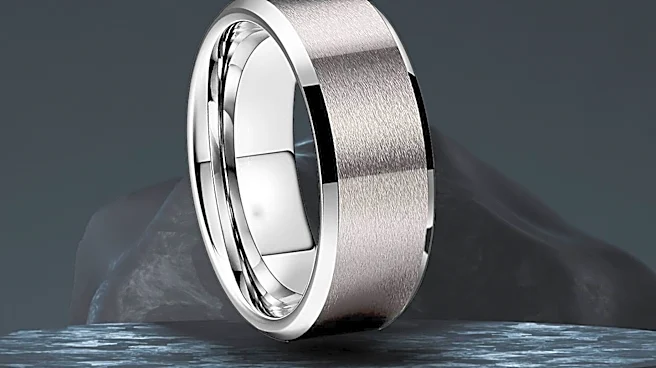
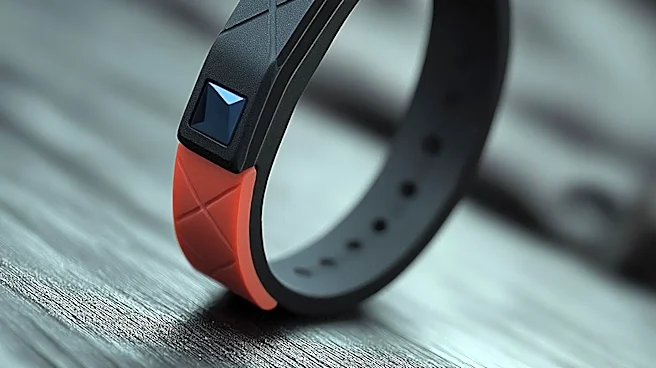
look aesthetically pleasing. This shift is evident in products like the Oura Ring 5 and Withings’ ScanWatch Nova Brilliant, which combine advanced health monitoring with elegant designs. These devices track various health metrics such as sleep, heart rate, and activity levels, while maintaining a stylish appearance. The move towards chic health technology allows users to integrate wellness into their personal style, reinforcing their self-image without compromising on functionality.
Why It's Important?
The evolution of health trackers into more stylish forms is significant as it could lead to increased adoption and consistent use among consumers. By making these devices more visually appealing, manufacturers are addressing a key barrier to usage: the perception of wearables as bulky or clinical. This change not only enhances user experience but also encourages continuous health monitoring, which can lead to better health outcomes. The integration of style and functionality in health technology reflects a broader trend in consumer electronics, where personal expression and technological advancement go hand in hand. This could potentially expand the market for wearables, attracting new demographics who value both health and aesthetics.
What's Next?
As the market for stylish health trackers grows, we can expect further innovation in design and functionality. Companies may continue to explore new materials and technologies to create even more discreet and fashionable devices. Additionally, the focus on personalization and integration with lifestyle choices could lead to more tailored health insights and recommendations. This trend might also influence other sectors of consumer electronics, pushing for a balance between performance and design. As these products become more mainstream, they could play a significant role in promoting public health by making health monitoring a seamless part of daily life.
Beyond the Headlines
The shift towards stylish health trackers also raises questions about the intersection of technology and personal identity. As these devices become more integrated into personal style, they may influence how individuals perceive and present themselves. This could lead to a cultural shift where health and wellness are seen as integral to personal branding. Moreover, the data collected by these devices could have implications for privacy and data security, as more personal information is tracked and stored. Companies will need to address these concerns to maintain consumer trust and ensure the ethical use of health data.