

What's Happening?
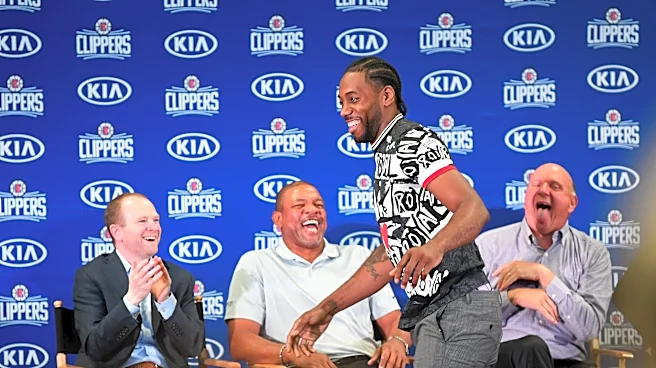
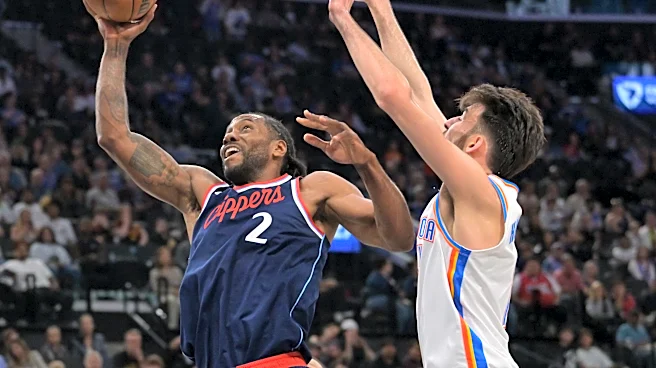
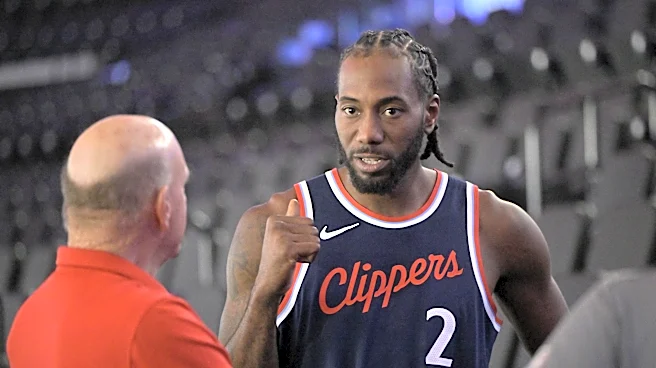
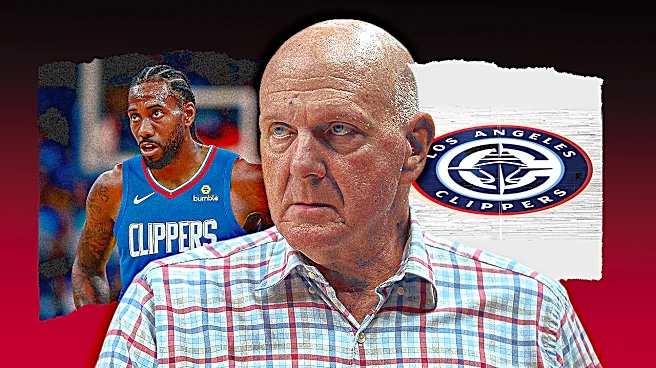
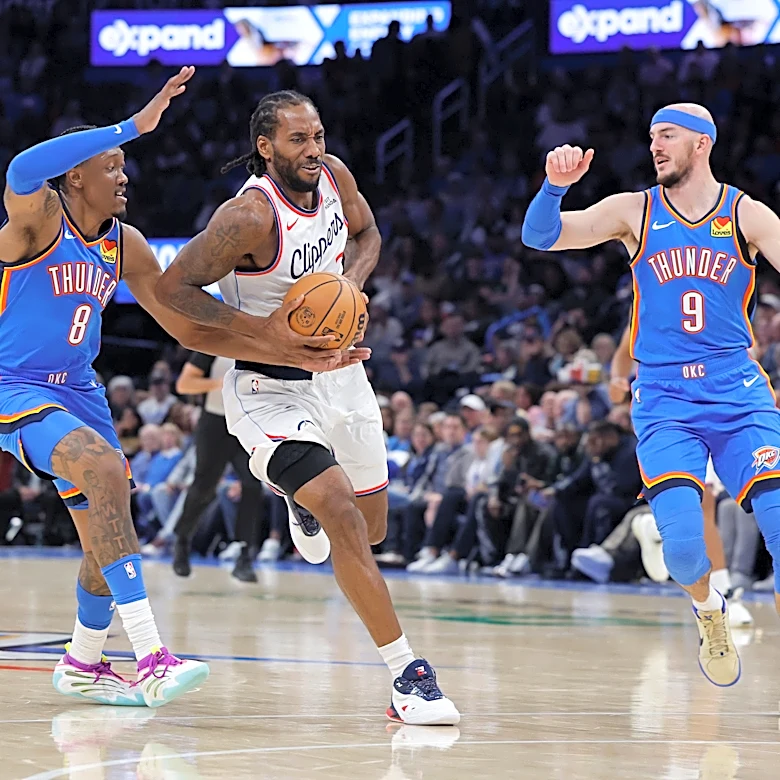
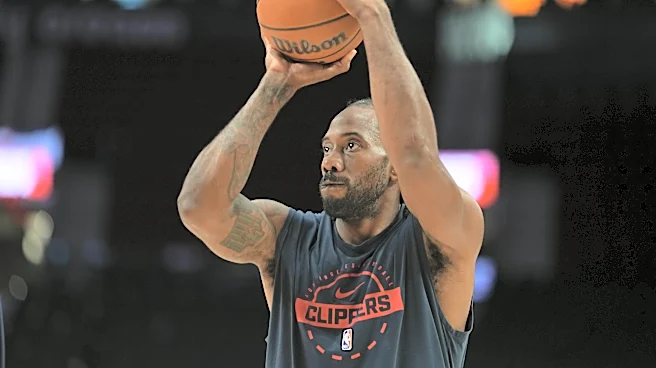
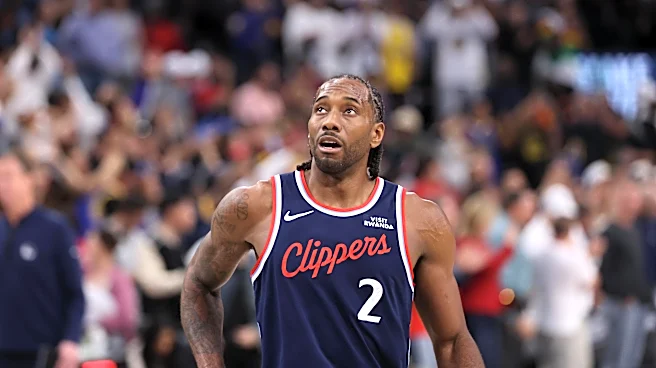
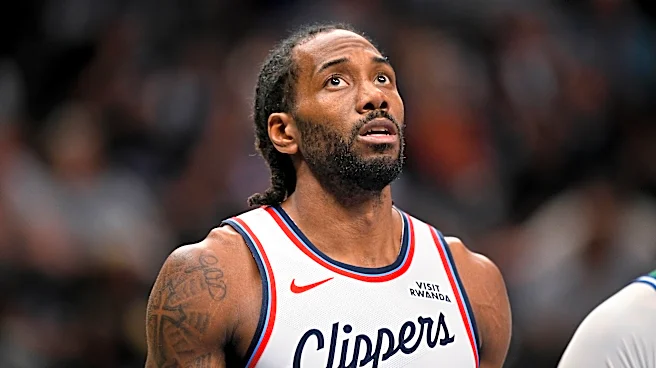
The NBA has levied the largest punishment in league history against the LA Clippers following a 364-day investigation into allegations of salary cap circumvention related to Kawhi Leonard. The investigation, prompted by a report from Pablo Torre, found
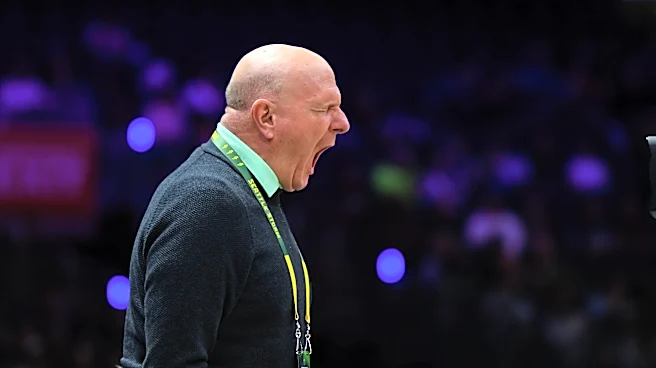
that the Clippers allegedly provided no-show endorsement deals worth millions of dollars to Leonard. The penalties include stripping the Clippers of five first-round draft picks (2029, 2030, 2031, 2032, and 2033), suspending owner Steve Ballmer from all team activities for one year, suspending business executive Gillian Zucker for a year without pay, and suspending president of basketball operations Lawrence Frank for six months without pay. Additionally, the Clippers were fined $30 million, the largest team fine ever, and Kawhi Leonard was fined $700,000. Leonard's 'Uncle Dennis' Robertson has been banned from conducting NBA business for five years. The Clippers will also be subject to a five-year compliance monitoring program. The Clippers have expressed strong disagreement with the NBA's findings, calling the investigation a 'witch hunt' and claiming they were not given a fair chance to respond.
Why It's Important?
This unprecedented punishment by the NBA sends a strong message about the league's commitment to maintaining salary cap integrity and fair competition. The loss of five first-round draft picks is a severe blow to the Clippers' long-term roster construction, significantly hindering their ability to acquire cost-effective young talent and make future trades. This will force the team to rely heavily on existing players and any remaining draft assets from previous trades. The suspensions of key personnel, including owner Steve Ballmer, disrupt the team's leadership and operational continuity. While the $30 million fine is substantial, its impact on Ballmer, one of the world's wealthiest individuals, is relatively minor. The fine against Kawhi Leonard, though significant for an individual, is considered lenient given the potential voiding of his $50 million contract. The ban on 'Uncle Dennis' addresses the role of player representatives in potential circumvention schemes. This ruling sets a new precedent for how the NBA will handle future salary cap violations, emphasizing severe penalties for organizational misconduct.
What's Next?
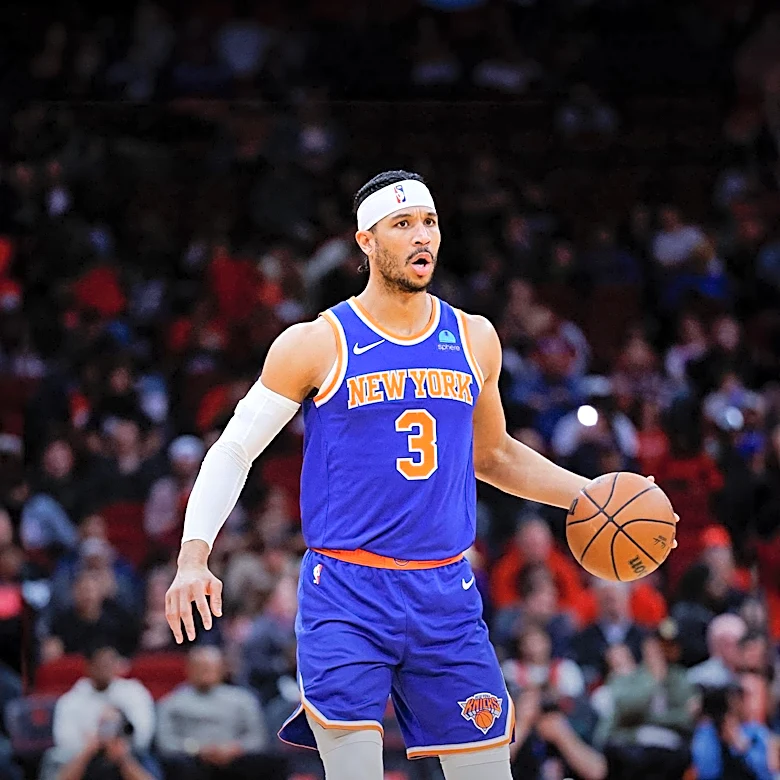
The LA Clippers are expected to challenge the NBA's penalties, potentially through legal avenues, though the league's prior engagement with the players' union on Leonard's penalty may complicate arbitration or appeal. From a basketball standpoint, the Clippers will need to adjust their long-term strategy significantly due to the loss of draft capital. While they still possess some first-round picks from previous trades (e.g., from the Indiana Pacers and Toronto Raptors), their ability to build through the draft is severely curtailed for nearly half a decade. The team will likely proceed with the previously agreed-upon trade of Leonard to the Toronto Raptors, which would bring in Brandon Ingram, Gradey Dick, and additional draft assets. The focus will shift to maximizing the potential of their current roster and the incoming players from the Raptors trade, such as Ingram, Darius Garland, and Keaton Wagler. The team's leadership will need to navigate the suspensions and the compliance monitoring program while attempting to remain competitive.
Beyond the Headlines
The Clippers' penalty highlights the ongoing tension between player empowerment, team ambition, and league regulations in professional sports. The allegations of no-show endorsement deals underscore the creative, and sometimes illicit, methods teams and player representatives might employ to circumvent salary cap rules. This incident could lead to increased scrutiny of player endorsement deals and agent activities across the NBA. The league's decision to impose such a harsh penalty, despite the Clippers' protests, reflects a broader effort to protect the competitive balance and financial integrity of the sport. It also raises questions about the effectiveness of current regulations in preventing such circumvention and whether more stringent measures are needed. The case could serve as a cautionary tale for other franchises, prompting a review of their own compliance practices. Ultimately, this saga will likely influence future collective bargaining agreements between the NBA and the players' union, potentially leading to new clauses or enforcement mechanisms to address similar issues.