



What's Happening?
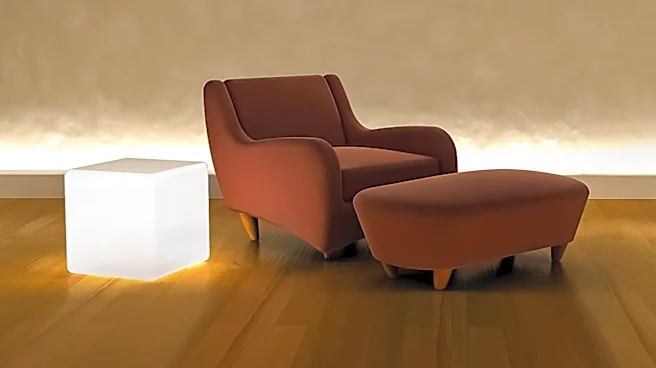
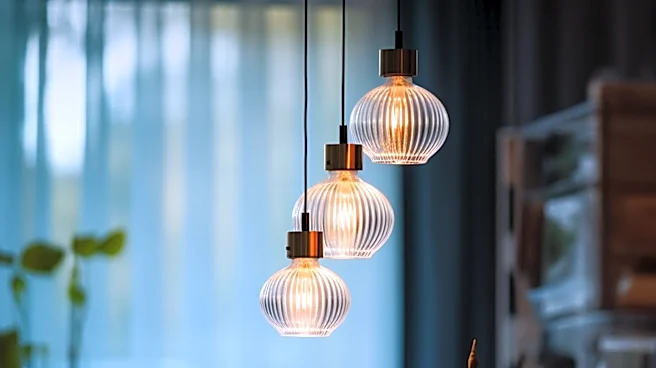
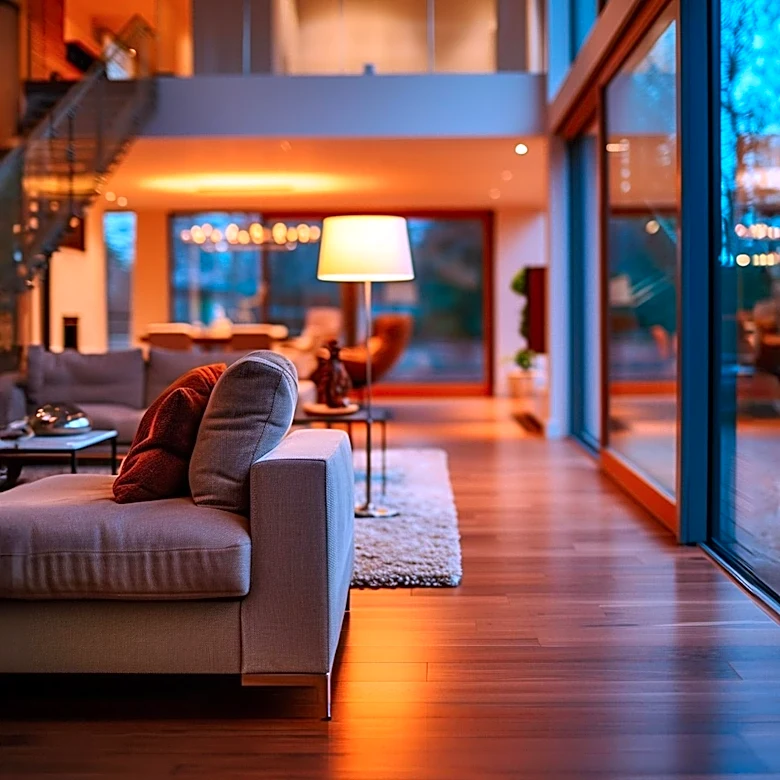
A growing trend in home lighting emphasizes the strategic reduction of bright, main lights in the evening to create a softer, more focused atmosphere. This approach involves turning off broad overhead illumination and instead utilizing smaller, localized
light sources such as lamps. The goal is to make lighting more selective as the evening progresses, allowing specific areas of a room to become the focus while the rest remains in softer light. This method not only changes the aesthetic feel of a room but also aligns with the body's natural circadian rhythm, as evening light exposure can influence melatonin production and the sleep-wake cycle. The transition is not about complete darkness but rather a gradual shift to less intense and more targeted lighting, adapting to the changing activities and needs within the home.
Why It's Important?
This shift in evening lighting practices holds significant importance for U.S. households, impacting both personal well-being and the consumer market for lighting products. By consciously reducing bright light exposure in the evenings, individuals can potentially improve their sleep quality and overall health, addressing concerns related to modern lifestyles and constant screen exposure. This trend encourages consumers to invest in a wider variety of ambient and task lighting fixtures, such as table lamps, floor lamps, and even decorative projection lights, thereby stimulating growth in the specialized lighting sector. For interior designers and home decor retailers, understanding and promoting this concept can lead to new product offerings and design strategies focused on creating adaptable and health-conscious living spaces. It also highlights a broader cultural movement towards mindfulness in daily routines and the optimization of home environments for comfort and health.
What's Next?
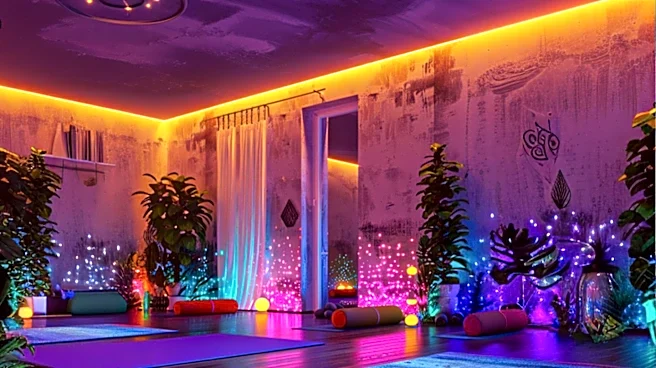
The adoption of more intentional evening lighting is likely to expand, driven by increased awareness of its health benefits and the availability of smart lighting technologies. Consumers can expect to see more products designed specifically for creating soft, ambient evening light, including smart bulbs that automatically adjust color temperature and brightness throughout the day. The market may also feature innovative lighting solutions that offer visual elements, such as subtle projections, to enhance atmosphere without increasing overall brightness. Interior design trends will continue to integrate these concepts, promoting flexible lighting schemes that can be easily adapted to different times of day and activities. Educational campaigns from health organizations and lighting manufacturers could further popularize these practices, encouraging homeowners to rethink their lighting habits for improved well-being.
Beyond the Headlines
Beyond the immediate benefits of improved sleep and enhanced home aesthetics, the movement towards strategic evening lighting reflects a deeper societal re-evaluation of our relationship with technology and artificial environments. In an age dominated by screens and constant stimulation, the deliberate creation of calming, low-light spaces signifies a desire to disconnect and foster a sense of tranquility. This practice can be seen as a form of digital detox, promoting a more natural rhythm of life that aligns with biological imperatives. Culturally, it may lead to a greater appreciation for the subtle nuances of light and shadow in interior spaces, moving away from purely functional illumination towards a more artistic and experiential approach. This shift could also influence architectural design, with a greater emphasis on natural light integration and flexible artificial lighting systems that support human well-being throughout the 24-hour cycle.