



What's Happening?
The Marquee Club, located at 90 Wardour Street, played a pivotal role in the evolution of British music during the 1960s. Initially a jazz venue, it transitioned to R&B, hosting performances by Rod Stewart, The Yardbirds, and The Moody Blues. In November
1964, The Who secured a residency that significantly influenced their career. Pete Townshend, the band's guitarist, was a student of art and design at Ealing Art College, which shaped his innovative approach to music. The Who's performances at the Marquee Club marked a shift from American-influenced music to a distinctly British sound, embracing psychedelia, progressive rock, and punk. The club was central to the cultural transformation of the era, hosting other iconic acts like Pink Floyd and Jimi Hendrix.
Why It's Important?
The Marquee Club's influence on British music was profound, serving as a launchpad for bands that would define the sound of the 1960s and beyond. The Who's residency at the club helped establish their identity as a quintessentially British band, moving away from American musical influences. This shift contributed to the development of new genres and the cultural revolution of the 1960s. The club's role in promoting innovative music and fostering a vibrant cultural scene in London highlights the importance of live music venues in shaping musical history and cultural identity.
What's Next?
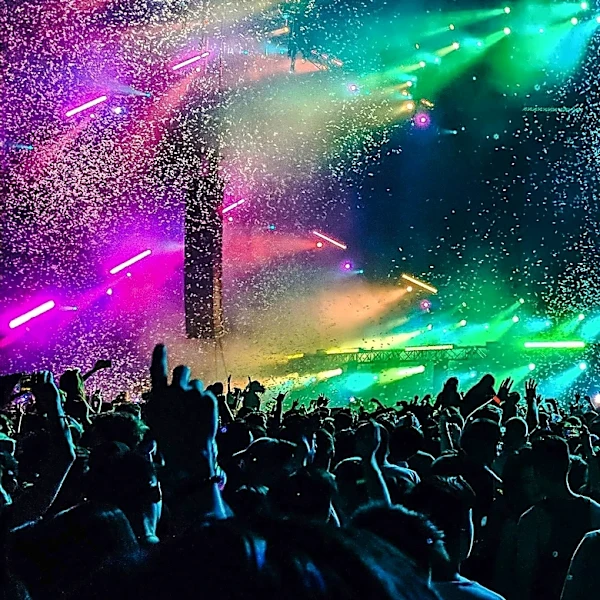
While the original Marquee Club has closed, its legacy continues to influence music venues and festivals worldwide. The club's history is celebrated through various retrospectives and documentaries, ensuring its impact on music and culture is remembered. The story of the Marquee Club serves as a reminder of the importance of nurturing creative spaces for artists to experiment and connect with audiences.
Beyond the Headlines
The Marquee Club's story reflects broader cultural shifts in the 1960s, including the rise of youth subcultures and the counterculture movement. The club was a hub for experimentation and collaboration, fostering a sense of community among musicians and fans. Its history underscores the role of music venues in facilitating cultural exchange and innovation.