


What's Happening?
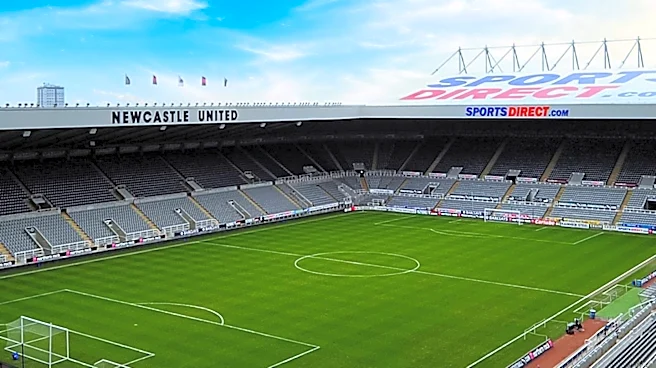
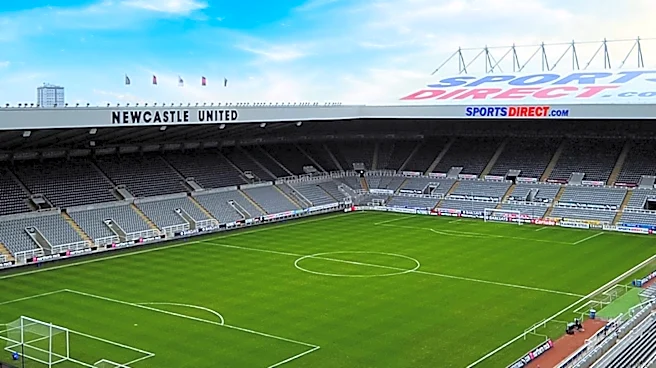
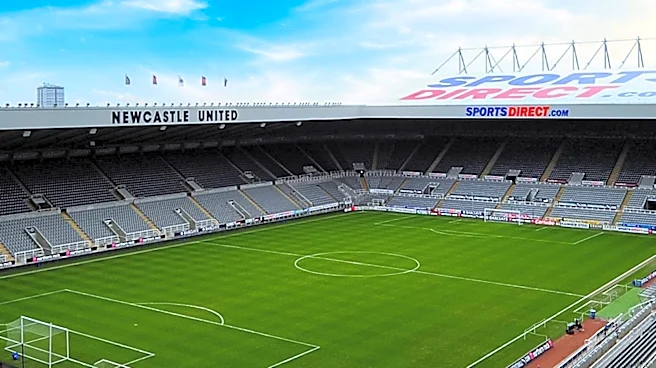
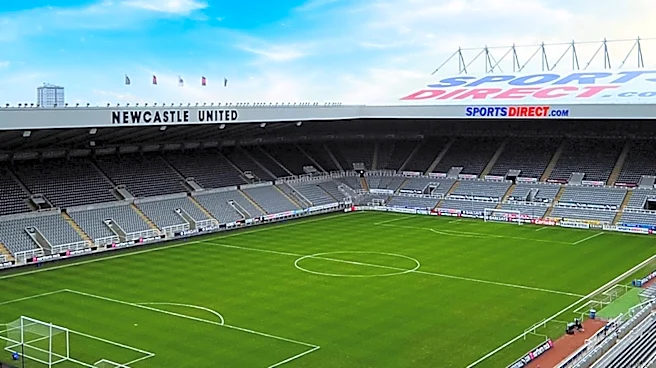
Newcastle United's majority owners, the Public Investment Fund (PIF), are reportedly considering selling up to a 25% stake in the club to raise approximately £325 million. This capital is intended to fund the construction of a new or improved stadium.
According to talkSPORT pundit and former Crystal Palace owner Simon Jordan, this move is not an indication of PIF's disengagement but rather a strategic effort to unlock additional revenue for major infrastructure projects. The sale would involve issuing new shares, ensuring that the money is injected directly into the club for development rather than going to existing shareholders. Chronicle Live confirmed that PIF remains committed to Newcastle United for the long term, viewing this as a commercial decision to support the club's growth.
Why It's Important?
This financial maneuver is crucial for Newcastle United's ambition to compete with the 'big six' clubs in terms of revenue and on-field success. Simon Jordan highlights that a new stadium is essential for Newcastle to increase its economic power, as current revenues, though substantial, lag behind top clubs. The estimated £325 million raised from the stake sale would directly address the need for significant infrastructure investment. This strategy aligns with Saudi Arabia's broader '2030 project,' which aims for economic diversification and global influence, with Newcastle United's success playing a part in this vision. By seeking fresh investment, PIF aims to redistribute some financial liability while ensuring the club has the necessary resources to achieve its long-term goals, including competing for the Premier League by 2030.
What's Next?
The club is actively exploring options for stadium development, with CEO David Hopkinson engaging in financial discussions in New York. The sale of new shares would dilute PIF's current 84% stake but is seen as a commercially sensible way to fund the stadium project. This approach underscores PIF's continued commitment to the club, as the funds will be reinvested directly into Newcastle United. The move is expected to enable the club to enhance its facilities and increase its revenue streams, which are vital for sustained competitiveness. The focus remains on securing the necessary investment to either redevelop St James' Park or build a new 'super stadium,' a decision that will significantly impact the club's future trajectory.
Beyond the Headlines
The decision to sell a minority stake, even by a wealthy owner like PIF, reflects a pragmatic approach to financing large-scale sports infrastructure. Simon Jordan suggests that potential liquidity issues in the Middle East, possibly due to regional destabilization, could be influencing such commercial decisions. This indicates that even entities with vast resources are seeking diversified funding models for major investments. The strategy of issuing new shares, rather than existing shareholders selling their stake, is a clear signal of long-term commitment and a desire to strengthen the club's financial foundation. This move could serve as a model for other sports franchises looking to fund ambitious projects while maintaining ownership control and ensuring direct investment into the club's assets.