

What's Happening?
The fashion landscape for Fall/Winter 2026 is undergoing a significant transformation, moving away from the 'quiet luxury' aesthetic that has dominated recent seasons. Quiet luxury, characterized by understated elegance, restrained silhouettes, exceptional
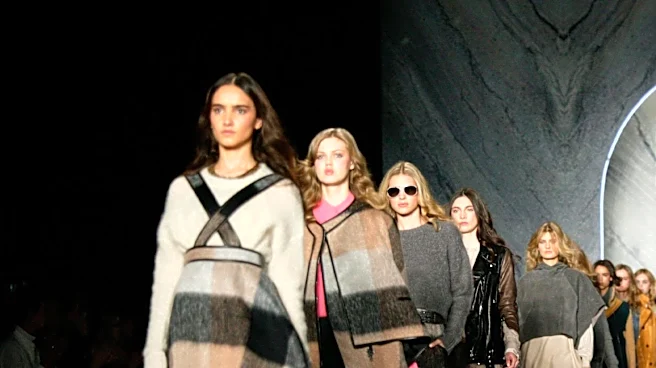
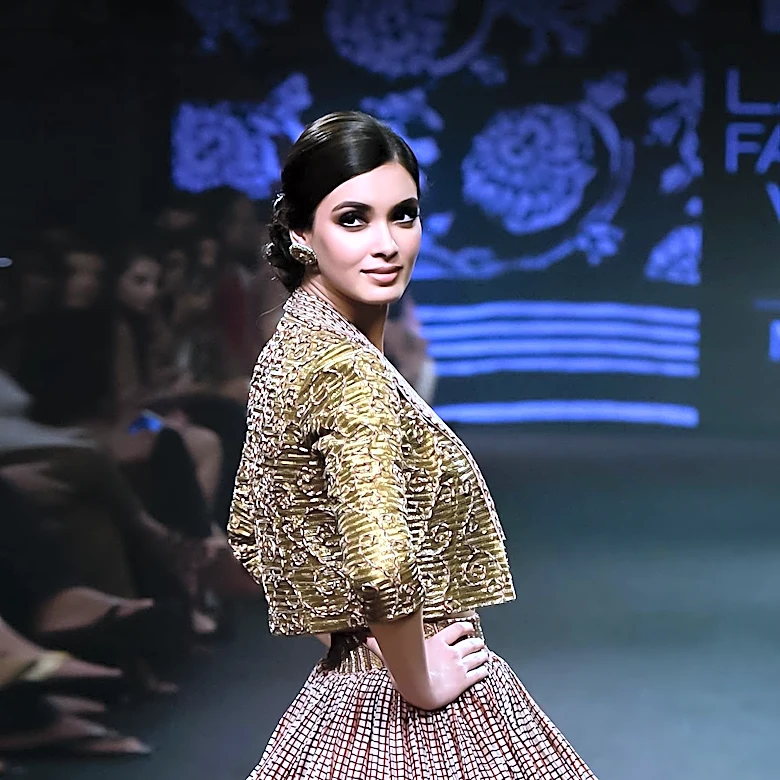
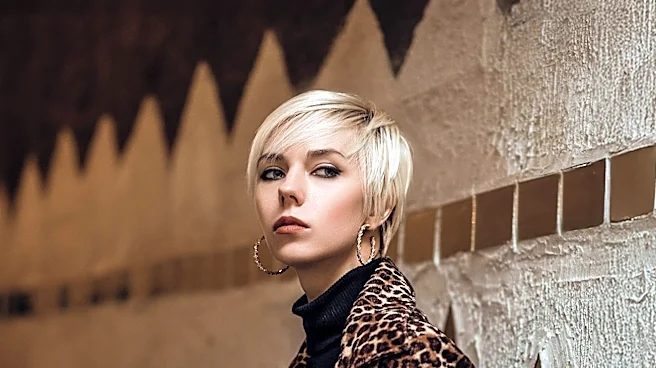
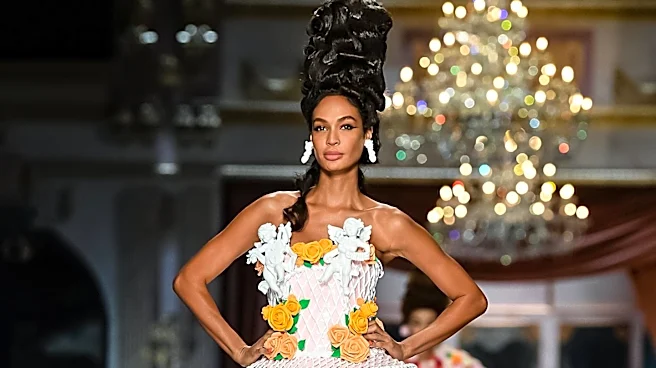
fabrics, minimal hardware, and an absence of prominent logos, is now seeing its consensus crack. Runways and everyday American dressing are embracing personality, texture, color, and more expressive styles. Designers are reintroducing ornament, with ornate brooches, candy-colored coats, clashing prints, sculptural details, and animal prints becoming statement pieces. This shift is not merely a return to maximalism but a broader acceptance of individual expression in fashion, allowing for a mix of glamour, sportswear, romance, and familiar pieces. The change reflects a desire for clothing that feels considered and personal, rather than adhering to a narrow definition of 'good taste' tied to 'old-money' aesthetics.
Why It's Important?
This evolution in fashion trends holds significant implications for the U.S. retail and apparel industries. The departure from quiet luxury suggests a potential surge in demand for more diverse and visually striking products, impacting design, manufacturing, and marketing strategies. Brands that previously focused on minimalist, logo-free designs may need to adapt by incorporating bolder elements, richer textures, and a wider color palette to remain competitive. For consumers, this shift offers greater freedom in personal style, moving beyond the uniform-like nature that quiet luxury sometimes presented. The softening of luxury spending among aspirational consumers and Gen Z's preference for individual, often vintage or mid-tier, finds have contributed to this market opening. This indicates a broader cultural movement towards authenticity and self-expression, which could influence consumer behavior across various sectors beyond fashion, as individuals seek products and experiences that resonate with their unique identities.
What's Next?
Looking ahead, the fashion industry will likely continue to explore and expand upon this renewed emphasis on personality and texture. Retailers and designers are expected to introduce collections that offer a wider range of styles, encouraging consumers to mix and match elements that reflect their individuality. This could lead to an increase in collaborations between designers and artists, as well as a greater focus on sustainable and unique pieces that stand out. The accessibility of this trend, which doesn't demand a full maximalist overhaul but rather encourages intentionality and personal touches, suggests a gradual integration into mainstream fashion. Consumers can anticipate more options for incorporating bold statements into their everyday wardrobes, such as animal prints, rich textures, brooches, and vibrant colors. The conversation in American style is shifting from signaling wealth discreetly to expressing personal identity, indicating a long-term trend towards more individualized and less prescriptive fashion choices.
Beyond the Headlines
The shift from quiet luxury to expressive personalization in fashion reflects deeper societal and cultural currents. Quiet luxury, while emphasizing quality and craftsmanship, had begun to risk becoming a uniform, associated with a specific 'old-money' taste. Its decline suggests a broader questioning of traditional status symbols and an increasing value placed on authenticity and individual narrative, particularly among younger generations. This trend aligns with a desire for self-expression in an increasingly digital and interconnected world, where personal branding and unique identity are highly valued. The move towards 'what feels like you' rather than 'what signals wealth without saying so' indicates a potential democratization of luxury, where value is derived more from personal resonance and less from exclusive, understated codes. This could foster a more inclusive and diverse fashion landscape, encouraging creativity and challenging established norms of taste and status.