






What's Happening?
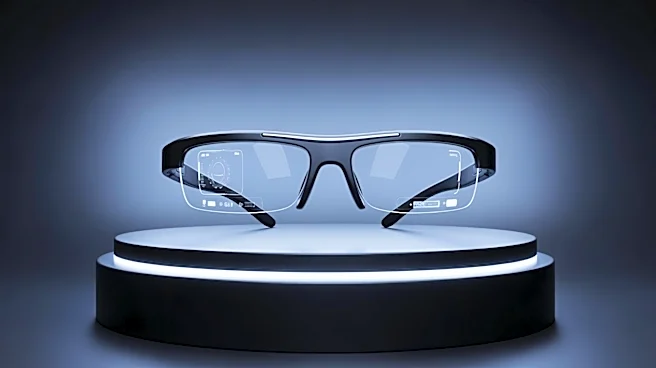
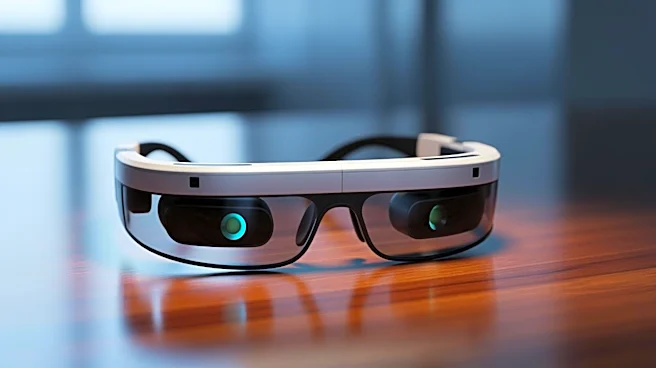
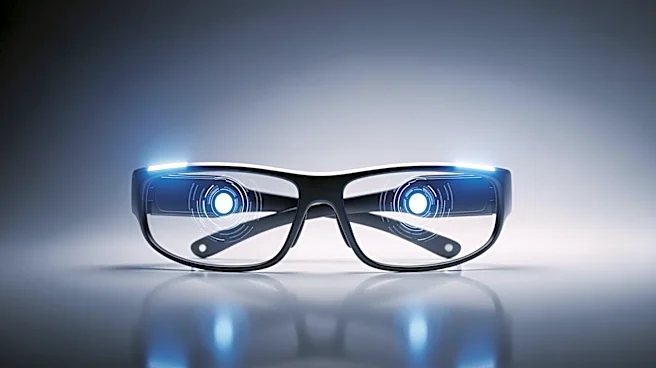
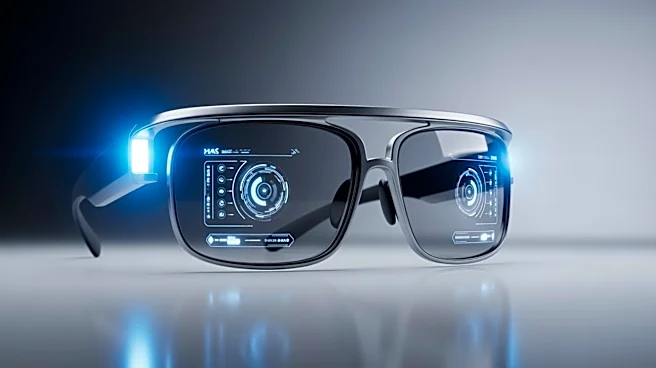
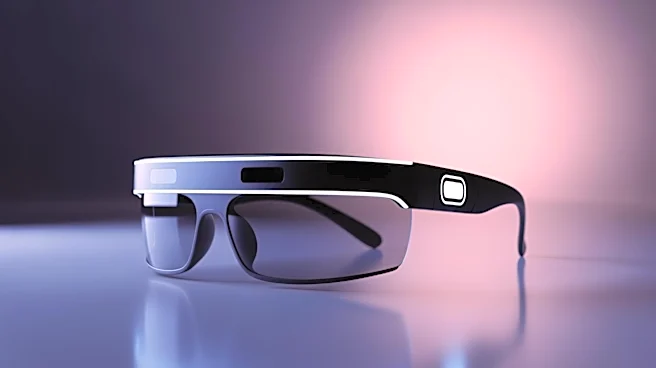
In 2026, significant advancements in augmented reality (AR) are poised to reshape consumer technology. Key developments include Snap's launch of its consumer Specs priced at $2,195, aimed at early adopters interested in on-face computing. This move is expected
to bring AR from niche demonstrations to everyday use. Additionally, a partnership between EssilorLuxottica and Applied Materials promises to accelerate the manufacturing of AR glasses, potentially reducing production bottlenecks. Pixi has also introduced an iOS app that transforms text messages into interactive AR experiences, integrating AR into daily communication. These developments highlight a trend towards making AR more accessible and practical for everyday consumers.
Why It's Important?
These advancements in AR technology are crucial as they indicate a shift from experimental to mainstream consumer use. The high price point of Snap's Specs suggests a focus on premium markets, but the partnership between EssilorLuxottica and Applied Materials could lead to more affordable options in the future. The integration of AR into messaging apps like Pixi's demonstrates the potential for AR to become a regular part of digital communication. This evolution could impact various sectors, including retail, where AR could enhance shopping experiences, and social media, where AR features could become standard. The developments also suggest a growing ecosystem of AR tools and applications, which could drive innovation and competition in the tech industry.
What's Next?
As AR technology continues to evolve, the focus will likely be on improving comfort, affordability, and integration into existing consumer habits. Companies may invest in refining AR hardware to make it more user-friendly and less obtrusive. The success of these technologies will depend on their ability to seamlessly integrate into daily life without requiring significant changes in consumer behavior. Additionally, partnerships between tech companies and eyewear manufacturers could lead to more practical and widely available AR solutions. The industry will watch closely to see if these developments lead to broader adoption and how they might influence other tech sectors.