




What's Happening?
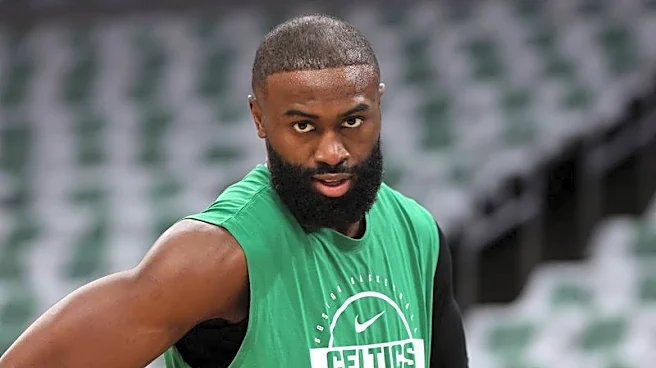
The NBA is undergoing significant changes as new owners, backed by institutional corporate capital, take control of several franchises. This shift has led to dramatic team restructurings, including the Boston Celtics trading Jaylen Brown for Paul George,
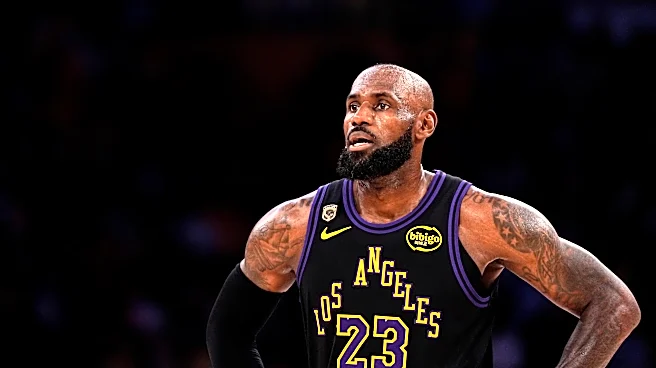
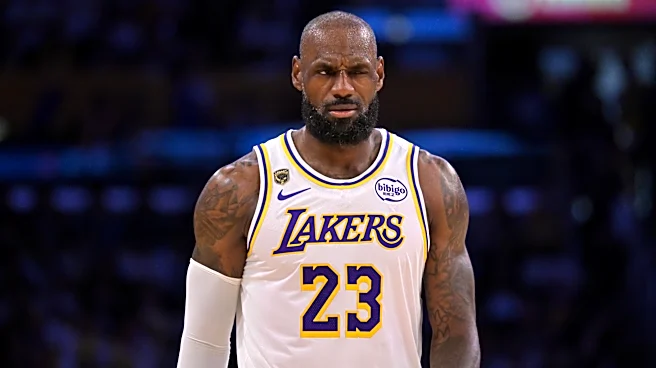
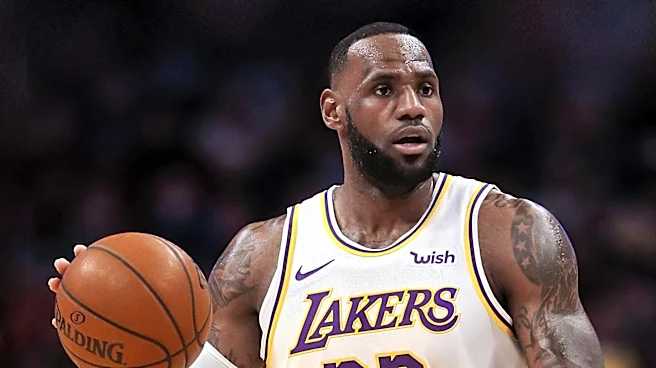
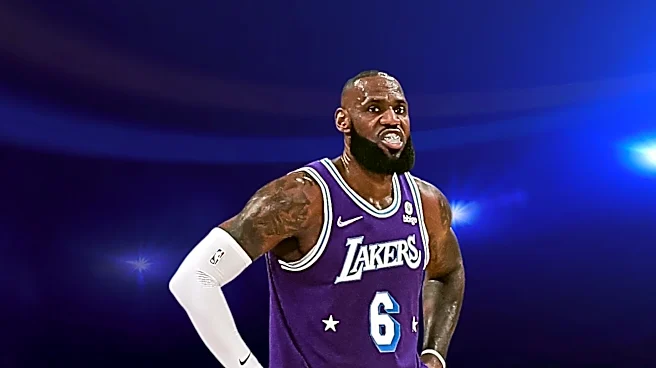
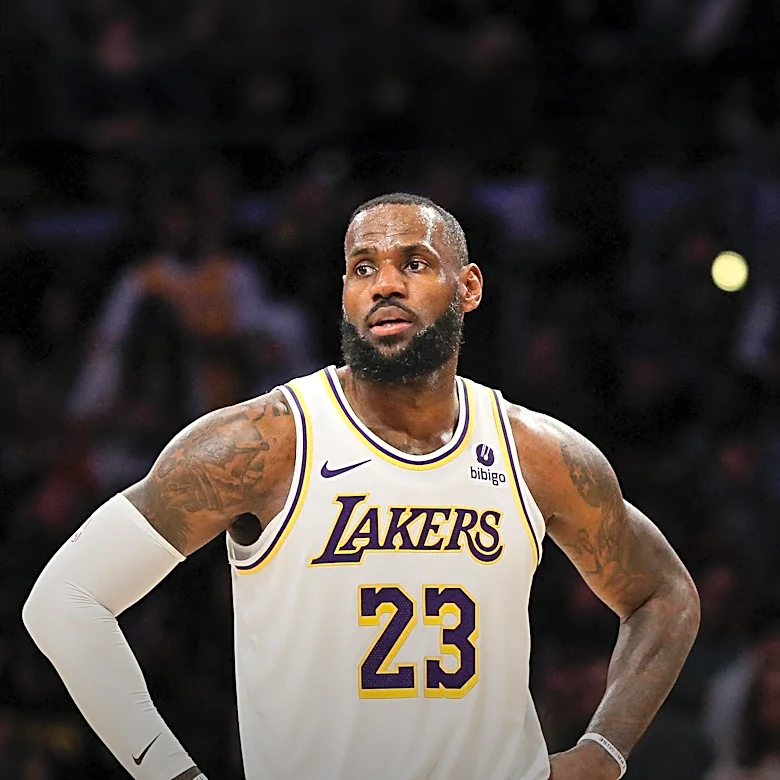
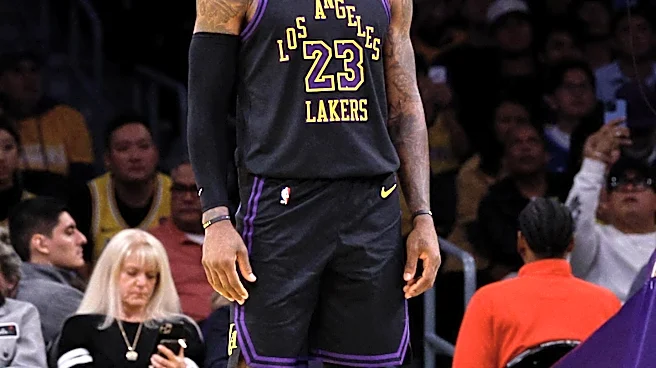
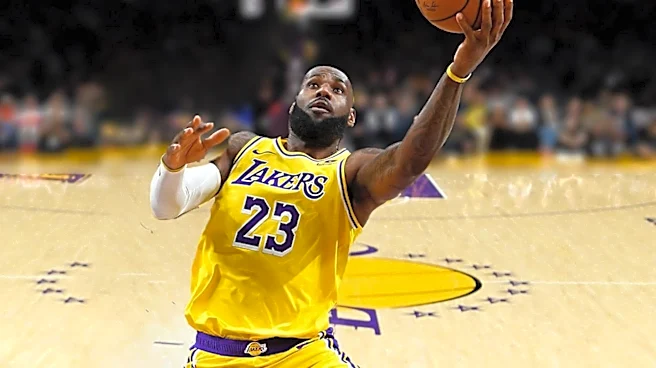
the Los Angeles Lakers parting ways with LeBron James, and the Portland Trail Blazers acquiring Ja Morant amidst internal friction. These changes are driven by a focus on financial efficiency and compliance with the league's new collective bargaining agreement, which includes a 'second apron' that limits excessive spending. The new ownership model prioritizes business interests over traditional fan engagement, leading to a departure from the era of local billionaire owners who treated teams as personal investments.
Why It's Important?
The transition to corporate ownership in the NBA marks a significant shift in how teams are managed, with a focus on maximizing profits and minimizing financial risks. This approach could lead to increased franchise valuations but may alienate fans who are accustomed to more personal and community-focused team management. The emphasis on financial efficiency could also impact player contracts and team dynamics, as seen with the recent high-profile trades and departures. This new model may challenge the league's ability to maintain its connection with local communities and fans, potentially affecting long-term support and engagement.
What's Next?
As the NBA continues to adapt to this new ownership model, further restructuring and financial adjustments are expected. Teams may seek additional investments from global entities, including sovereign wealth funds, to bolster their financial standing. This could lead to more significant changes in team operations and player management. Fans and local governments may need to adjust their expectations and relationships with teams, as the focus shifts from community engagement to corporate profitability. The league will need to navigate these changes carefully to maintain its popularity and competitive balance.
Beyond the Headlines
The shift towards corporate ownership in the NBA raises questions about the league's future identity and its role in local communities. The potential involvement of international investors could further distance teams from their traditional fan bases, altering the cultural and civic significance of professional basketball in the U.S. This evolution may also influence other professional sports leagues, as they observe the NBA's approach to balancing financial success with fan loyalty and community ties.