






What's Happening?
Honda Motor Co., Ltd. (HMC) is re-evaluating its electrification strategy in North America, moving away from its previous goal of 100% electric vehicles (EVs) and fuel cell vehicles (FCVs) by 2040. The company has incurred approximately ¥1.58 trillion
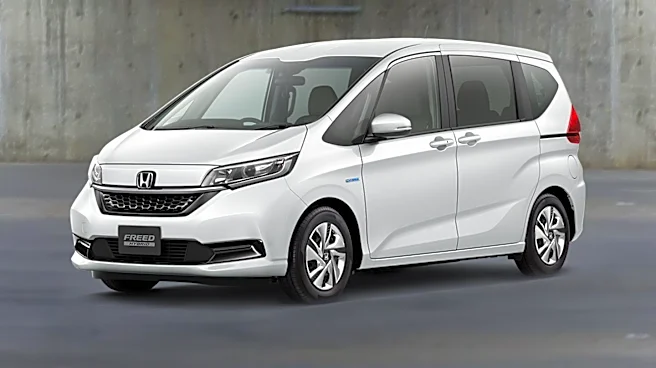
($10 billion) in EV-related losses in fiscal year 2026. In response, Honda is now focusing on a hybrid-led roadmap, planning to introduce 15 next-generation hybrid models globally by March 2030, with a primary emphasis on the North American market. This strategic pivot also involves streamlining automobile operations, including exiting South Korea and adjusting capacity in China. The motorcycle segment remains a significant profit anchor for Honda, generating a record ¥731.9 billion in operating profit in fiscal 2026, which is being used to fund the automotive transition. Management projects an operating profit of ¥500 billion for the fiscal year ending March 2027, marking a turnaround after the previous year's losses.
Why It's Important?
This strategic shift by Honda carries significant implications for the U.S. automotive market and the broader transition to electric vehicles. By reducing planned EV introductions and prioritizing hybrids, Honda is acknowledging the current uncertainties and slower-than-anticipated adoption rates of battery-electric vehicles in North America. This move could influence other automakers to re-evaluate their own aggressive EV targets, potentially slowing the overall pace of EV adoption in the U.S. The focus on hybrids offers consumers a middle-ground option, combining fuel efficiency with the convenience of traditional gasoline infrastructure, which might appeal to a wider segment of buyers hesitant to fully commit to EVs. However, this strategy also poses a risk: if EV adoption accelerates beyond current expectations, Honda could find itself at a disadvantage in key markets, potentially affecting its longer-term competitive positioning. The decision also highlights the financial pressures and substantial investments required for a full EV transition, as evidenced by Honda's significant EV-related losses.
What's Next?
Investor attention will be directed towards Honda's upcoming quarterly earnings reports to assess whether automobile margins align with the fiscal 2027 plan and how tariff costs are developing. The phased rollout of 15 next-generation hybrid models through March 2030 will be a key product driver, with each launch testing the ability of hybrids to offset declining internal-combustion volumes. Partnerships with Nissan and Mitsubishi on software, electrification, and autonomous platforms are also expected to deliver cost benefits. Regulatory changes in emissions and trade policy will continue to influence Honda's hybrid strategy and competitive position. The company's ability to sustain cost adjustments and effectively execute its hybrid transition will determine its path to recovery. Consensus points to a gradual EPS recovery over the next two fiscal years, though views differ on whether this repositioning is a lasting shift or a shorter-term adjustment.
Beyond the Headlines
Honda's pivot underscores a broader industry debate regarding the optimal pace and pathway to electrification. While many governments and environmental advocates push for rapid EV adoption, market realities, consumer preferences, and infrastructure challenges present significant hurdles. Honda's decision to lean into hybrids suggests a more pragmatic, market-driven approach, acknowledging that a full EV transition may be more gradual than initially projected. This could lead to a prolonged period where hybrids play a crucial role in reducing emissions and improving fuel efficiency, serving as a bridge technology. The financial losses incurred by Honda also highlight the immense capital expenditure and R&D risks associated with developing new EV platforms and technologies, potentially making other manufacturers more cautious. This shift could also impact the supply chain for both hybrid and EV components in North America, as Honda reallocates resources and adjusts its manufacturing footprint.