






What's Happening?
The Arizona Corporation Commission (ACC) is scheduled to vote on Tuesday, November 17, on Tucson Electric Power's (TEP) request for a nearly 10% rate increase. TEP's final proposal seeks a 9.8% increase, which would raise the average customer's monthly
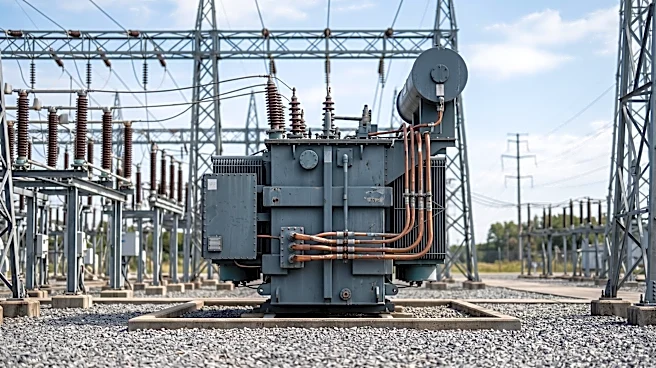
bill by approximately $13.50. An administrative law judge, Julia Matter, has recommended a slightly lower increase of about 9.4%. Under Matter’s recommendation, an average household consuming 805 kilowatt-hours per month would see their bill increase by $12.93, bringing the average monthly total to $150.52. During summer months, when consumption rises to an average of 1,045 kilowatt-hours, the average monthly bill would be $190.76. Several prominent entities, including the city of Tucson, Pima County, the Department of Defense, Walmart, and Kroger, have intervened against the proposed rate hike. TEP asserts that the rate increase is essential to cover significant investments made in its grid infrastructure and to mitigate the effects of inflation.
Why It's Important?
This decision by the Arizona Corporation Commission carries significant implications for residential and commercial electricity consumers in Tucson Electric Power's service area. A rate increase, particularly one approaching 10%, will directly impact household budgets, potentially leading to higher living costs for residents. For businesses like Walmart and Kroger, increased utility expenses could affect operational costs, which might subsequently be passed on to consumers through higher prices for goods and services. The intervention of major entities such as the Department of Defense highlights the broad economic impact of utility rates, as energy costs are a critical component of operational budgets for large organizations. The outcome will also set a precedent for how utility companies in Arizona can recover infrastructure investment costs and manage inflationary pressures, influencing future rate requests across the state. The ACC's decision will balance the utility's need for revenue to maintain and upgrade its infrastructure against the public's interest in affordable electricity.
What's Next?
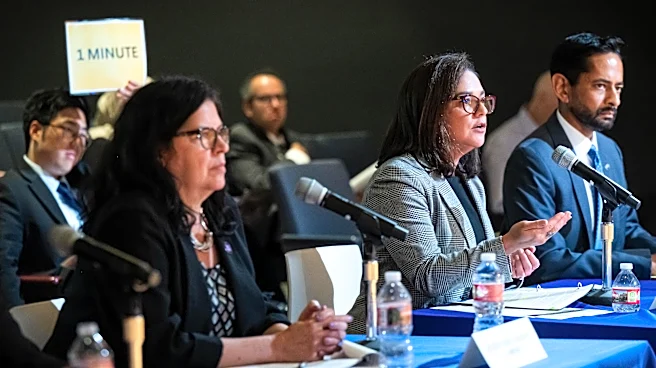
The Arizona Corporation Commission will convene on Tuesday, November 17, to vote on TEP's rate increase request. The commission has the authority to either approve or reject the administrative law judge's recommendation, or to propose an alternative adjustment. If the rate increase is approved during the November 17 meeting, it is slated to take effect on December 1. Following the decision, various stakeholders, including consumer advocacy groups, local government bodies, and businesses, will likely react to the outcome. If approved, customers will see changes in their December utility bills. If rejected or significantly modified, TEP may need to reassess its financial strategies and potentially resubmit a revised proposal in the future. The decision will also be closely watched by other utility companies in Arizona as they consider their own future rate adjustment requests.
Beyond the Headlines
The debate over TEP's rate increase reflects a broader national challenge faced by utility companies: balancing the need for infrastructure modernization and resilience against the imperative of keeping energy affordable for consumers. As grids age and the demand for cleaner energy sources grows, utilities are making substantial investments in upgrades, renewable energy integration, and smart grid technologies. These investments are often costly and are typically recovered through rate adjustments. The opposition from various entities, including governmental bodies and large corporations, underscores the tension between these competing priorities. This situation also highlights the critical role of regulatory bodies like the ACC in mediating these interests, ensuring that rate increases are justified and that consumers are protected from undue financial burdens, while also allowing utilities to maintain reliable service and invest in future energy needs. The outcome could influence regulatory approaches to utility rate cases across the U.S., particularly in states experiencing rapid growth and energy transition pressures.