





What's Happening?
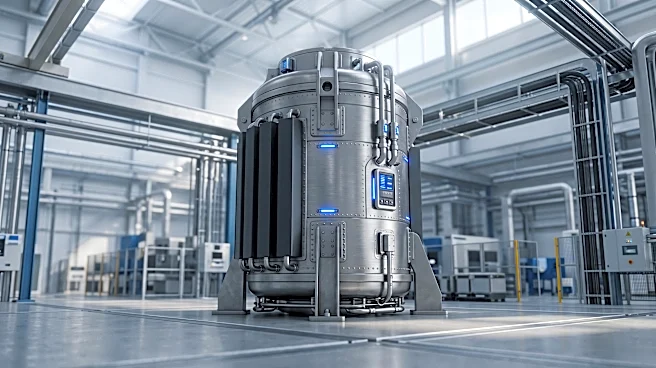
NuScale Power (NYSE: SMR) is experiencing increased investor interest due to the growing demand for power from artificial intelligence (AI) infrastructure. The company specializes in small modular reactor (SMR) technology, positioning itself as a potential
provider of compact, grid-scale nuclear units for data centers and AI projects. A key factor in this heightened interest is NuScale's federally certified SMR design from the Nuclear Regulatory Commission (NRC), which provides a regulatory advantage over competitors like Oklo. This NRC approval offers a streamlined licensing framework, potentially shortening regulatory steps for project construction. Analysts highlight NuScale's NRC-approved technology and narrowing loss estimates as reasons for its appeal to AI infrastructure investors. The company aims to supply standardized modules, moving beyond conceptual nuclear options for data center and AI users. This development places NuScale within a broader trend of reviewing nuclear energy infrastructure stocks as solutions for AI-era electricity needs.
Why It's Important?
The increased focus on NuScale Power underscores a significant shift in how the U.S. electrical sector is addressing the escalating energy demands of AI and data centers. NuScale's NRC-certified SMR technology offers a potentially faster and more standardized path to deploying nuclear power, which is crucial for industries requiring reliable, carbon-free, and high-capacity energy sources. This could accelerate the adoption of advanced nuclear solutions in the U.S., impacting energy policy and infrastructure development. For investors, NuScale represents an opportunity in the burgeoning nuclear energy market, particularly as it intersects with the rapid expansion of AI. The company's regulatory advantage could translate into quicker project timelines and market penetration, potentially benefiting early investors. Conversely, the success of NuScale and similar SMR developers could reshape the competitive landscape for traditional energy providers and influence future investments in renewable energy sources, as nuclear power offers a consistent baseload alternative.
What's Next?
The immediate focus for NuScale Power will be on securing long-term power purchase agreements (PPAs) or multi-gigawatt contracts, particularly with entities like the Tennessee Valley Authority (TVA). The outcome and timeline of these discussions will be a critical indicator of how NuScale can convert its NRC license and liquidity into revenue-generating projects. Additionally, updates on the RoPower project's six-module plan in Romania will provide further insight into the company's commercialization progress. Investors will closely monitor these developments to assess NuScale's ability to translate its technological and regulatory advantages into tangible commercial success. The company's performance in securing these key contracts will likely influence its stock trajectory and its position as a leading supplier of SMR technology for the growing AI infrastructure market.
Beyond the Headlines
The growing investor interest in NuScale Power highlights a broader societal and economic shift towards recognizing nuclear energy as a viable solution for future power demands, especially those driven by advanced technologies like AI. This development could signal a renewed public and governmental acceptance of nuclear power, potentially leading to policy changes that further support its deployment. The emphasis on SMRs also points to a strategic move towards more modular, scalable, and potentially safer nuclear energy solutions, addressing some of the historical concerns associated with traditional large-scale nuclear plants. This could foster innovation in nuclear technology and create new supply chain opportunities within the U.S. energy sector. Furthermore, the competition among SMR developers, as evidenced by NuScale's regulatory edge over Oklo, suggests a dynamic and evolving market that could drive down costs and improve efficiency in nuclear power generation over the long term.