







What's Happening?
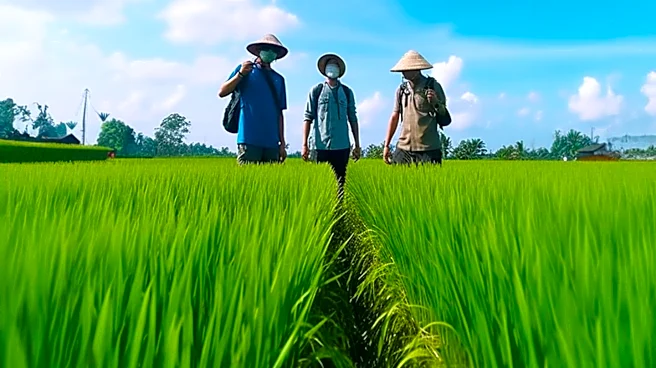
Rural tourism is gaining popularity as a sustainable travel option, offering unique experiences in nature and local culture. Eco-friendly accommodations in rural areas provide space, silence, and a connection with local communities. Travelers are encouraged
to slow down, support local economies, and explore destinations beyond typical tourist hotspots. However, rural escapes may involve limited public transport and fewer services, requiring travelers to plan their journeys carefully. Digital tools can assist in navigating rural areas, booking access to protected sites, and finding local markets and sustainable businesses.
Why It's Important?
The rise of rural tourism reflects a growing interest in sustainable travel practices that prioritize environmental conservation and community engagement. By choosing eco-friendly accommodations and supporting local businesses, travelers contribute to the preservation of cultural heritage and natural landscapes. This approach aligns with global sustainability goals and encourages responsible tourism. Rural tourism also provides economic benefits to local communities, creating jobs and supporting small businesses. As more travelers seek authentic experiences, rural tourism offers an opportunity to connect with nature and local culture in meaningful ways.
What's Next?
As rural tourism continues to grow, there may be increased investment in infrastructure and services to support sustainable travel. Local communities and tourism operators may collaborate to develop eco-friendly accommodations and attractions, ensuring that tourism growth aligns with environmental conservation efforts. The success of rural tourism could inspire other regions to adopt similar sustainable practices, contributing to a broader shift towards responsible travel. Additionally, digital tools and platforms may play a key role in facilitating rural tourism, providing travelers with the information and resources needed to plan their journeys.