


What's Happening?
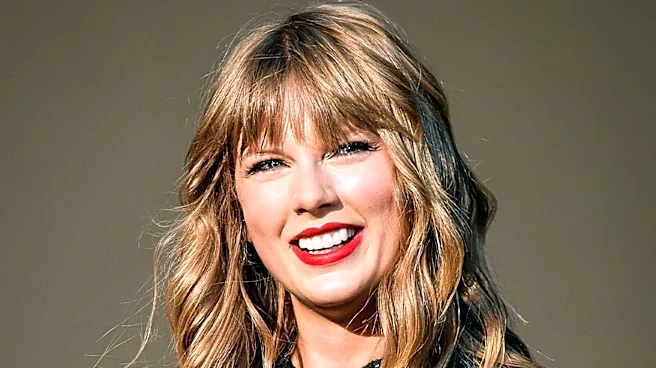
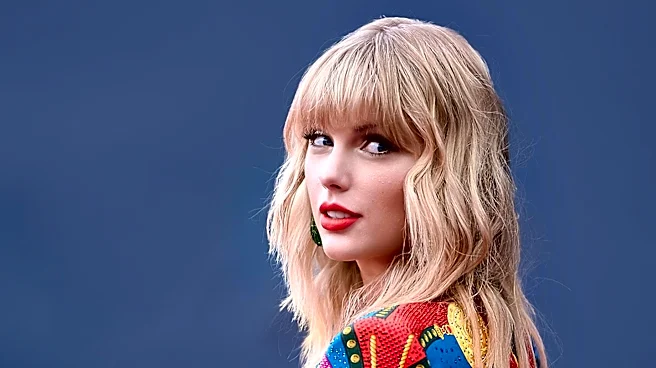
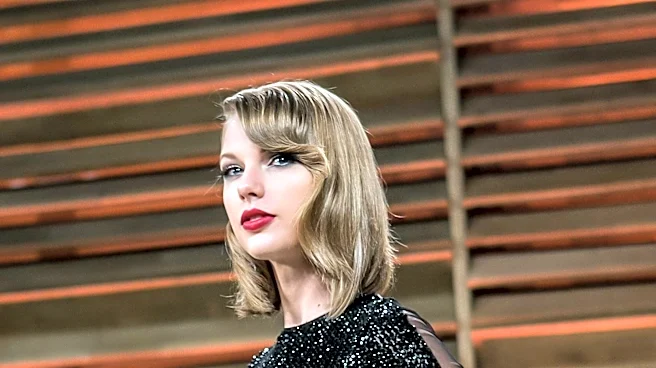
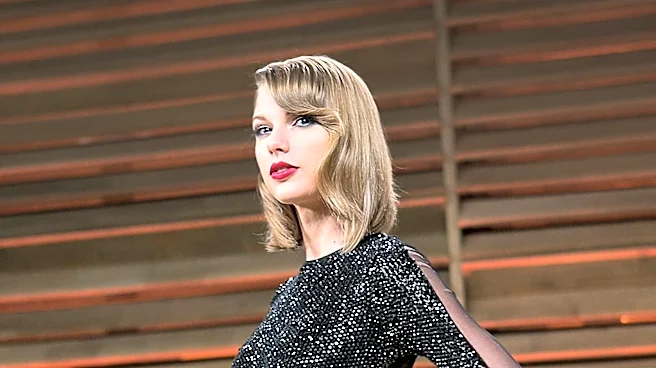
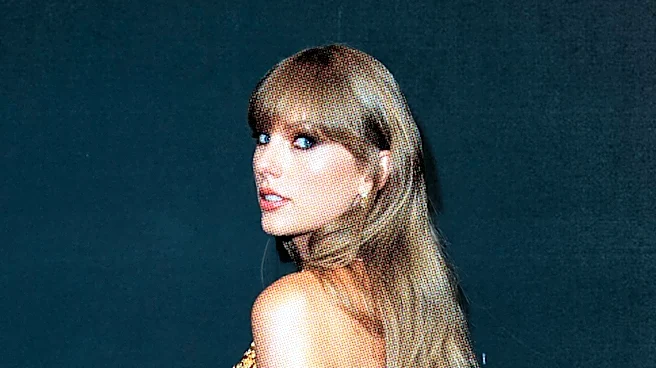
Taylor Swift is reportedly disassociating from Vanity Fair after the magazine published a critical profile titled 'The Mastermind.' The article, written by May Jeong, referred to Swift only as 'The Star' and included claims from a former classmate who
alleged Swift was 'one of the bullies.' It also highlighted issues surrounding her wedding to Travis Kelce, noting power outages in New York during the event. According to an insider close to Swift's circle, Vanity Fair will not be 'on Taylor's radar for the foreseeable future.' The source also indicated that Swift was aware the article was forthcoming but made no effort to prevent its publication. The piece has drawn significant backlash from fans and media members who have labeled it a 'hit piece.'
Why It's Important?
This development is significant within the entertainment industry as it illustrates the potential repercussions for media outlets that publish critical content about highly influential public figures. Taylor Swift's decision to distance herself from Vanity Fair could impact the magazine's access to future celebrity profiles and exclusive content, particularly within the music and pop culture spheres. For Swift, it reinforces her control over her public image and narrative, signaling that she will not engage with media she perceives as unfairly critical. This situation also highlights the ongoing tension between celebrity public relations and journalistic scrutiny, where the power dynamics can shift based on the star's influence and fan base. Other celebrities might observe this outcome when deciding their own engagement with media outlets.
What's Next?
In the immediate future, Vanity Fair may face challenges in securing interviews or collaborations with Taylor Swift and potentially other artists who align with her. The magazine could experience a decline in engagement from Swift's extensive fan base, which often mobilizes in support of the artist. It is also possible that other publications might re-evaluate their approach to celebrity profiles, weighing the risks of alienating major stars against the pursuit of critical journalism. For Taylor Swift, this move reinforces her brand as someone who controls her narrative, potentially leading to more direct-to-fan communications or collaborations with media outlets that maintain a more favorable stance. The broader entertainment media landscape may see a continued trend of celebrities leveraging their platforms to bypass traditional media scrutiny.
Beyond the Headlines
This incident touches upon deeper implications regarding journalistic ethics, celebrity power, and the evolving media landscape. The use of pseudonyms for over 100 sources in Vanity Fair's article raises questions about transparency and verification in celebrity journalism, especially when dealing with sensitive or controversial claims. Furthermore, the swift and strong reaction from Swift's fan base underscores the significant influence that dedicated fan communities wield in shaping public perception and impacting media outlets. This event could contribute to a broader discussion about the balance between investigative reporting and maintaining access to high-profile individuals, potentially leading to more cautious approaches from publications when covering global icons. It also highlights the ongoing debate about what constitutes fair and balanced reporting versus a 'hit piece' in the subjective world of celebrity journalism.