






What's Happening?
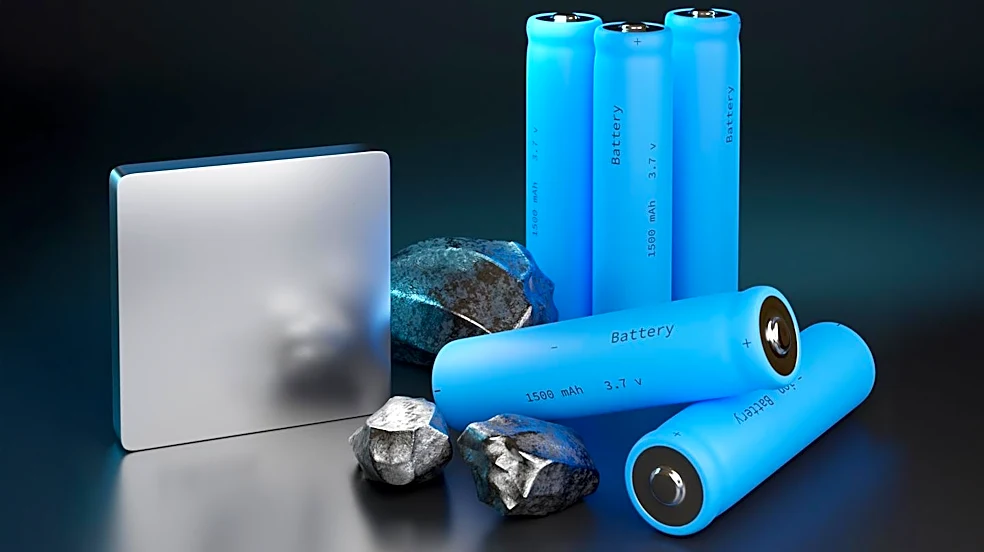
For deep cycle applications such as solar storage, RVs, marine vessels, and golf carts, lithium-ion batteries, specifically those using Lithium Iron Phosphate (LiFePO4) chemistry, are increasingly becoming the preferred choice over traditional lead-acid
batteries. While lead-acid batteries have been the default for decades, LiFePO4 batteries offer significantly longer cycle life (3,000–6,000+ cycles compared to 300–500 for lead-acid), nearly double the usable capacity (80–100% vs. ~50%), and are 50–70% lighter. Despite a higher upfront cost, LiFePO4 batteries demonstrate a lower total cost of ownership over a 10-year period due to their longevity, zero maintenance requirements, and higher efficiency (95%+ round-trip efficiency compared to 70–85% for lead-acid).
Why It's Important?
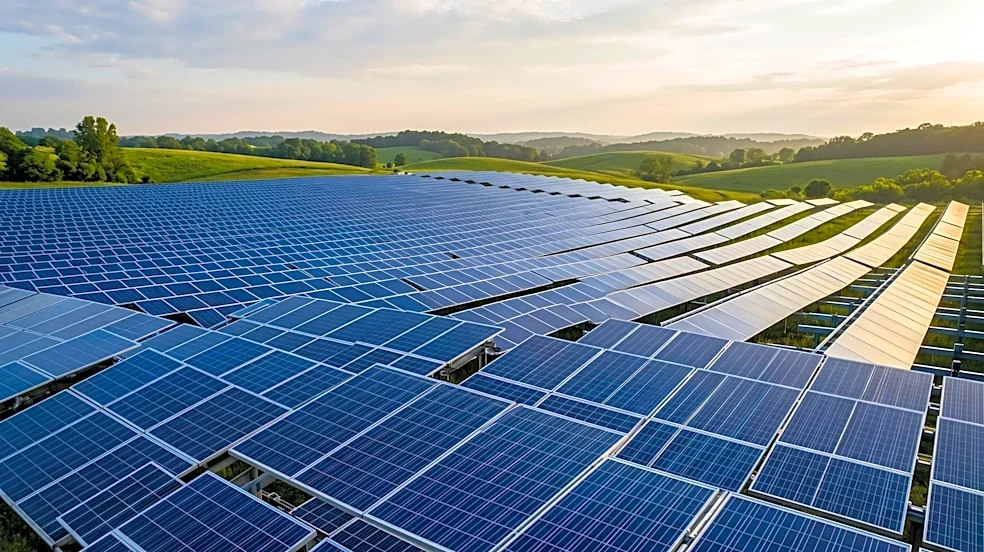
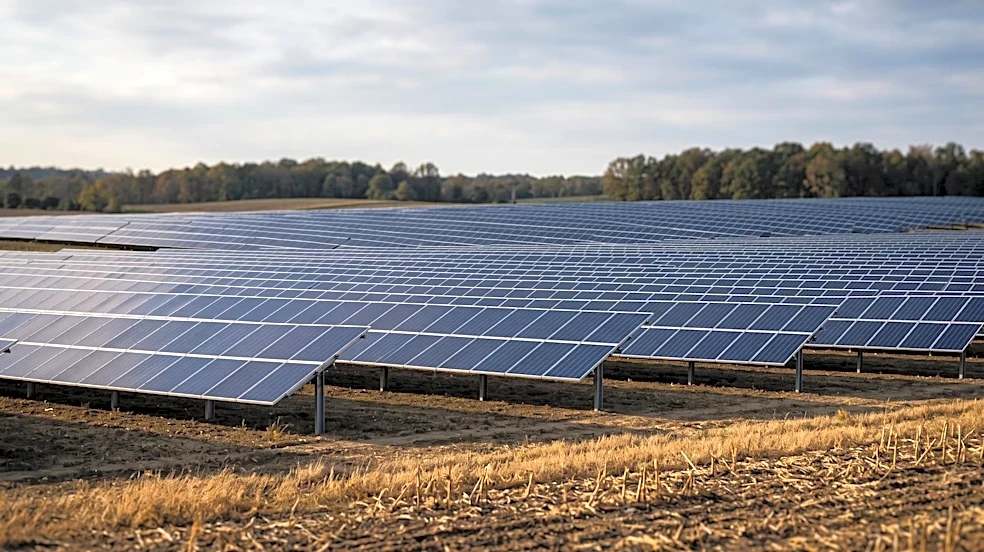
This shift in battery preference has significant implications for various U.S. industries and consumers. For the growing renewable energy sector, particularly solar installations, LiFePO4 batteries offer more efficient energy storage, maximizing the usable power harvested. In the recreational vehicle (RV) and marine industries, the lighter weight and longer lifespan translate to better fuel efficiency, increased payload capacity, and reduced maintenance for users. Commercial fleets and off-grid systems also benefit from reduced downtime due to faster charging and minimal maintenance. While the initial investment for LiFePO4 is higher, the long-term savings and superior performance make them a more economically sound choice for applications requiring daily cycling or a lifespan of five years or more, ultimately benefiting businesses and consumers through lower operational costs and enhanced reliability.
What's Next?
The trend towards LiFePO4 batteries is expected to continue, with further advancements in manufacturing processes and economies of scale potentially driving down upfront costs. As the technology matures, the gap in initial pricing between lead-acid and lithium-ion batteries may narrow, making LiFePO4 even more accessible. Manufacturers will likely focus on integrating advanced battery management systems (BMS) and addressing cold-weather charging limitations to broaden their applicability. For consumers and businesses, the decision will increasingly lean towards lithium-ion for any application with regular cycling and a long-term outlook. Lead-acid batteries will likely remain viable only for niche applications with extreme budget constraints, very short project durations, or infrequent, light use.
Beyond the Headlines
The widespread adoption of LiFePO4 batteries represents a broader technological evolution towards more sustainable and efficient energy solutions. The reduced need for frequent battery replacements contributes to less waste and a smaller environmental footprint compared to lead-acid batteries, which contain hazardous materials. The higher efficiency of LiFePO4 also means less energy loss during charging and discharging, contributing to overall energy conservation. This technological shift encourages innovation in related fields, such as smart energy management systems and charging infrastructure, to fully leverage the capabilities of these advanced batteries. Ultimately, the move towards LiFePO4 deep cycle batteries is a step towards a more robust, reliable, and environmentally conscious energy ecosystem.