



What's Happening?
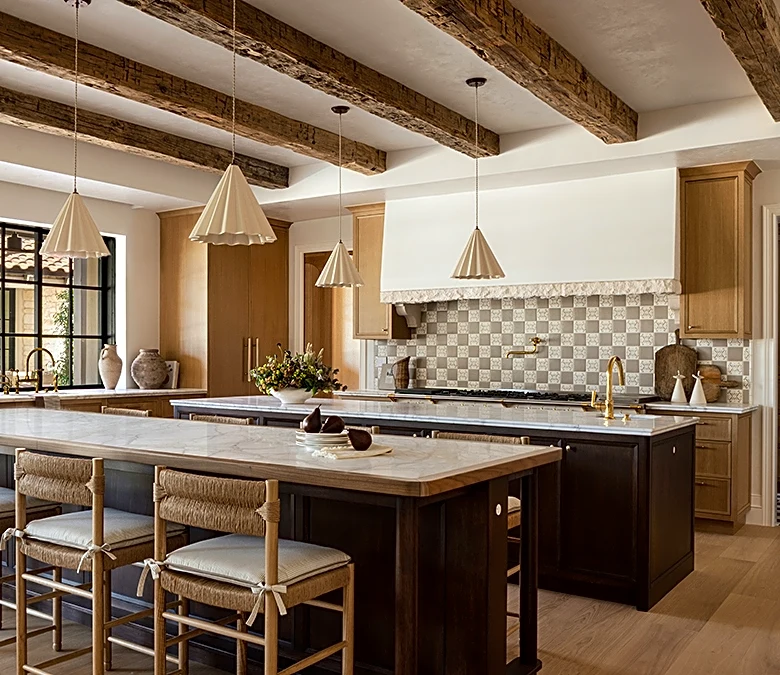
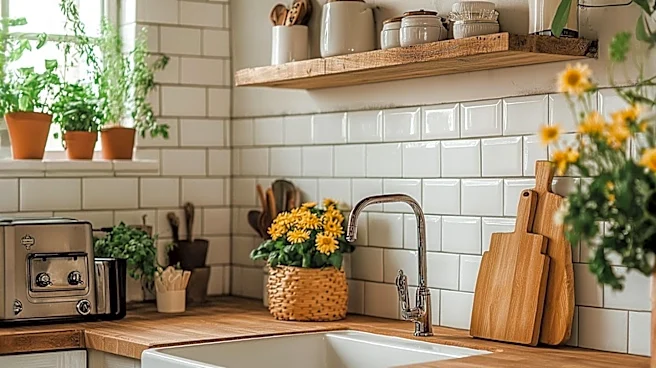
A growing trend among younger generations in the U.S. involves an increasing appreciation for 'grandma things,' encompassing vintage and antique-inspired interiors, as well as slow-paced hobbies like crocheting, gardening, and pottery. This phenomenon
is observed across various aesthetic styles, including 'cottagecore,' 'English country style,' 'coastal grandmother,' and 'grandmillennial' design. Psychologists suggest that this shift is partly driven by nostalgia, which serves as a healthy emotional regulation strategy, connecting individuals to loved ones and earlier parts of themselves. The trend is also influenced by a desire for comfort and stability in times of uncertainty, with marketers actively utilizing 'nostalgia marketing' to appeal to these sentiments. The fast-paced nature of modern life and collective exhaustion are cited as factors contributing to this yearning for simplicity and traditional practices.
Why It's Important?
This cultural shift reflects a broader societal response to the pressures of modern life, including a tense political climate, economic uncertainty, and the constant demands of the digital world. The embrace of 'grandma things' signifies a collective desire for emotional regulation, safety, and a connection to tradition. For industries, this trend impacts the home decor market, driving demand for vintage items, antique reproductions, and specific design aesthetics. It also influences the market for craft supplies and gardening tools, as more people seek out slow-paced hobbies. Businesses that can tap into this nostalgia and offer products or experiences that evoke comfort and simplicity stand to gain. Conversely, industries focused solely on fast-paced, modern consumption might need to adapt their strategies to cater to this evolving consumer preference for more mindful and traditional pursuits.
What's Next?
The 'grandma things' trend is likely to continue evolving, with new sub-aesthetics emerging and existing ones gaining further traction. We can expect to see continued innovation in 'nostalgia marketing' as brands seek to connect with consumers on an emotional level. Retailers may expand their offerings of vintage-inspired decor, craft kits, and gardening supplies. Educational institutions and community centers might see increased interest in workshops for traditional crafts like pottery and crocheting. Psychologically, this trend could lead to a greater emphasis on well-being and mindfulness, as individuals actively seek out activities that provide a sense of calm and purpose. The long-term impact could include a re-evaluation of societal values, potentially shifting away from hyper-productivity towards a greater appreciation for slower living and personal fulfillment.
Beyond the Headlines
Beyond the immediate trends in home decor and hobbies, the 'grandma things' phenomenon highlights a deeper societal yearning for authenticity and connection in an increasingly digital and fragmented world. It suggests a subconscious rejection of the relentless pursuit of optimization and a desire to reclaim a sense of humanity and tradition. This movement could foster intergenerational connections, as younger individuals seek guidance and inspiration from older family members or communities. Ethically, it raises questions about sustainable consumption, as the emphasis on vintage and handmade items promotes reuse and reduces reliance on mass-produced goods. Culturally, it represents a re-evaluation of what constitutes 'value' and 'success,' moving beyond material wealth to embrace experiences, craftsmanship, and emotional well-being. This trend may also contribute to a broader cultural conversation about the importance of slowing down and finding joy in simple, meaningful activities.