







What's Happening?
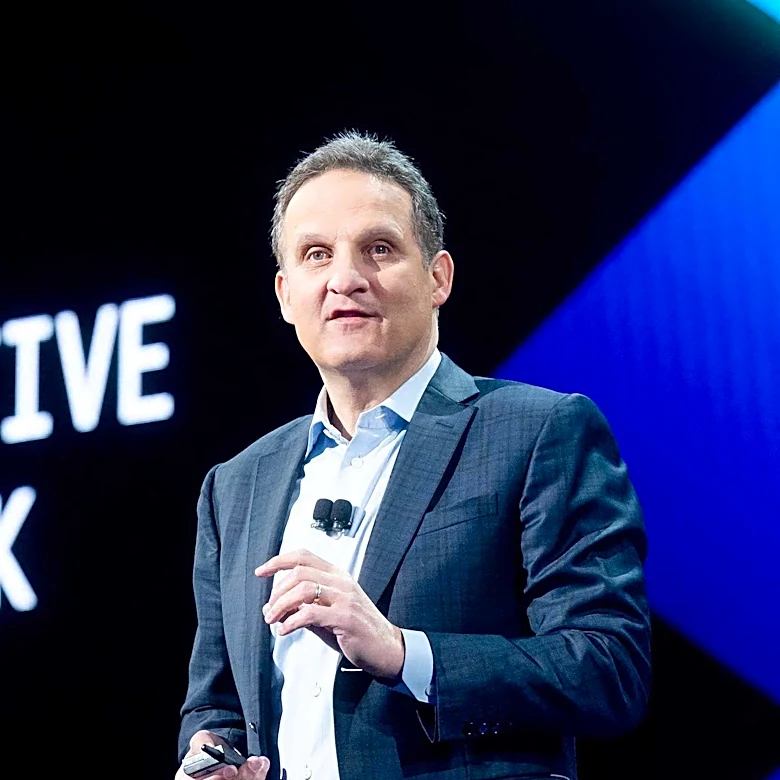
Gap Inc., the American apparel retail company, is adopting artificial intelligence (AI) to revolutionize its customer shopping experience, marking a significant technological advancement 30 years after launching its first e-commerce website. Sven Gerjets,
Chief Technology Officer at Gap Inc., announced this initiative during the company's San Francisco Tech Week Kickoff. The integration of AI aims to make product selection across its brands, including Old Navy and Banana Republic, more intuitive, personalized, and easier to discover. AI-powered discovery tools are being implemented at Old Navy and Banana Republic, allowing customers to use natural language to describe desired products and receive relevant recommendations. The Gap brand is also launching a new experience with Alta Daily, a personal AI stylist, which offers AI-powered styling and visual discovery. Additionally, Gap Inc. products will be discoverable through Daydream, another AI-powered fashion discovery platform. These tools are designed to better understand customer intent, moving beyond traditional keyword searches and filters to provide a more natural path from an idea to suitable products. The company emphasizes building data, technology, and partnerships responsibly to scale these new capabilities.
Why It's Important?
This strategic move by Gap Inc. is important as it positions the company at the forefront of retail innovation, leveraging AI to address evolving consumer expectations in the competitive apparel market. By enhancing product discovery and personalization, Gap Inc. aims to improve customer engagement and satisfaction, potentially leading to increased sales and brand loyalty. The shift from traditional e-commerce to AI-driven experiences reflects a broader industry trend where technology is crucial for maintaining relevance and capturing market share. For the U.S. retail sector, Gap Inc.'s adoption of AI could set a precedent, encouraging other brands to invest in similar technologies to optimize their online and in-store experiences. This initiative also highlights the growing importance of data-driven insights in understanding consumer behavior and tailoring offerings. Companies that successfully integrate AI to create seamless and personalized shopping journeys are likely to gain a significant competitive advantage, while those that lag may struggle to meet the demands of tech-savvy consumers. The focus on responsible AI implementation also underscores a growing awareness of ethical considerations in technology adoption within the business landscape.
What's Next?
Gap Inc. will continue to refine and expand its AI-powered tools across its brand portfolio. The company's Chief Technology Officer, Sven Gerjets, indicated that the interface will evolve, with the core principle remaining customer-centricity and using technology to create better experiences. This suggests ongoing development and potential introduction of new AI features. The success of these initiatives will likely be measured by metrics such as customer engagement, conversion rates, and overall sales performance. Other retailers will be closely observing Gap Inc.'s progress, and a positive outcome could accelerate AI adoption across the U.S. apparel industry. Furthermore, Gap Inc.'s participation in events like San Francisco Tech Week, co-hosting 'Never Finished: The Next Chapter,' indicates a commitment to fostering dialogue around technology, creativity, and leadership, which may lead to further collaborations and innovations. The company's emphasis on building data, technology, and partnerships responsibly suggests a long-term vision for sustainable AI integration.
Beyond the Headlines
The integration of AI by Gap Inc. signifies a deeper transformation in the retail industry, moving beyond mere transactional e-commerce to a more interactive and predictive shopping environment. This shift raises questions about the future of human-computer interaction in retail, where AI stylists and discovery platforms could become standard, potentially altering the role of traditional sales associates and personal shoppers. Ethically, the responsible use of AI and customer data will be paramount, as personalized recommendations rely on collecting and analyzing consumer preferences. The long-term implications could include a more efficient supply chain driven by AI-predicted demand, reduced waste from overproduction, and a more inclusive fashion industry that caters to diverse individual styles through advanced personalization. Culturally, as AI becomes more embedded in daily shopping, it could influence consumer tastes and trends, with algorithms potentially shaping what is considered fashionable. This evolution also highlights the increasing convergence of technology and fashion, blurring the lines between digital and physical retail experiences.