




What's Happening?
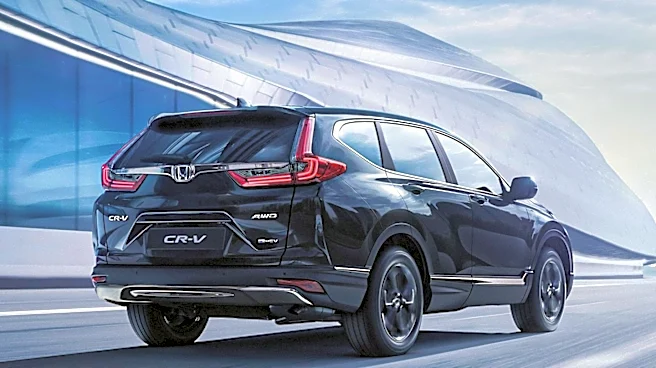
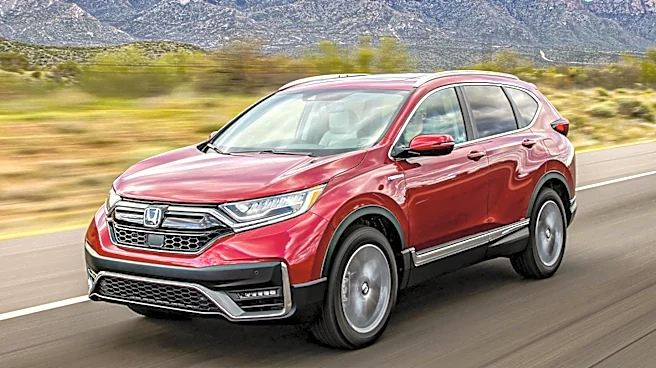
Honda's bestselling model, the CR-V, is set to undergo a complete redesign for its seventh generation in the 2028 model year, transitioning to an exclusively hybrid powertrain. This strategic shift follows the trend set by its main competitor, the Toyota
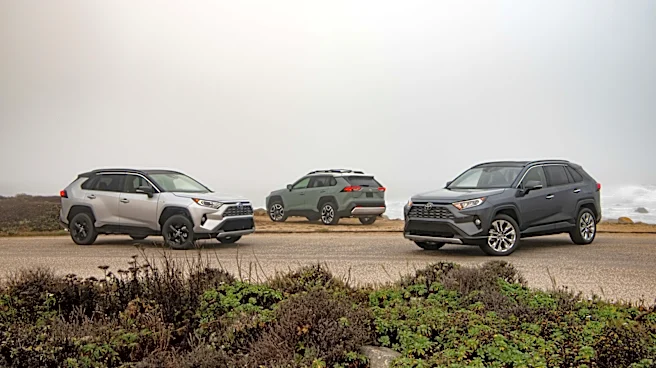
RAV4, which also moved to a hybrid-only offering in 2026. The current-generation CR-V has already seen strong hybrid sales, accounting for over half of its total sales this year, making the move to an all-hybrid lineup a logical progression for Honda. The new CR-V will feature a redesigned 2.0-liter Atkinson-cycle four-cylinder engine paired with more compact electric motors and a new battery, aiming for improved power and efficiency. Honda is targeting a 10 percent improvement in fuel economy compared to the outgoing hybrid powertrain, potentially pushing combined mileage to over 40 mpg and horsepower to over 220 hp. The vehicle will also be built on a new, stiffer, and lighter modular platform, which is expected to be shared with future Accord, Civic, and Acura models.
Why It's Important?
This move by Honda to make the CR-V an exclusively hybrid model signifies a major strategic pivot in the highly competitive compact SUV market in the U.S. It reflects the growing consumer demand for fuel-efficient vehicles and Honda's commitment to electrification. By focusing solely on hybrid technology for its top-selling SUV, Honda aims to strengthen its position against rivals like the Toyota RAV4, Hyundai Tucson Hybrid, and Nissan Rogue Hybrid. This decision could lead to increased market share in the hybrid segment and contribute to Honda's overall emissions reduction goals. However, it also carries the risk of potentially alienating some buyers who prefer traditional gasoline engines or are sensitive to a possible increase in the entry price of the CR-V. The success of this transition will depend on Honda's ability to deliver on its promises of improved power, efficiency, and a compelling overall package that resonates with U.S. consumers.
What's Next?
Production of the 2028 Honda CR-V is slated to begin in April 2027 at Honda's manufacturing facilities in East Liberty, Ohio, and Greensburg, Indiana, with sales expected to commence shortly thereafter. The new CR-V is anticipated to feature a sharp new design, including slim daytime running lights and a full-width rear light bar, and will likely be the first vehicle in the U.S. to sport Honda's new 'H' logo. The interior is also expected to receive a significant overhaul, potentially moving towards a more screen-centric interface with fewer physical controls, similar to the Avancier model sold in Asia. While the current CR-V Hybrid starts around $37,580, the next-generation model is projected to have an entry price of approximately $38,000. Honda will need to ensure that the new CR-V's efficiency matches or exceeds that of its rivals while maintaining adequate performance and a spacious, user-friendly cabin to succeed in this competitive segment.
Beyond the Headlines
Honda's decision to go hybrid-only with the CR-V reflects a broader industry trend towards electrification and a strategic response to evolving consumer preferences and environmental regulations. This shift could accelerate the adoption of hybrid technology in the U.S. compact SUV market, pushing other manufacturers to follow suit. The move also highlights the increasing importance of fuel economy and sustainability as key selling points for vehicles. Furthermore, the adoption of a new modular platform for the CR-V, which will be shared across other Honda and Acura models, indicates a long-term strategy for cost reduction and increased efficiency in vehicle development. However, the potential move away from physical interior controls could spark debate among consumers who value tactile buttons and knobs over touchscreen interfaces, presenting a design challenge for Honda in balancing modernity with user experience.