




What's Happening?
The plaid pattern is gaining significant traction in fashion, transforming simple squares into a striking focal point for outfits. This trend is characterized by interwoven squares of various colors, sizes, and line arrangements, which create a distinctive
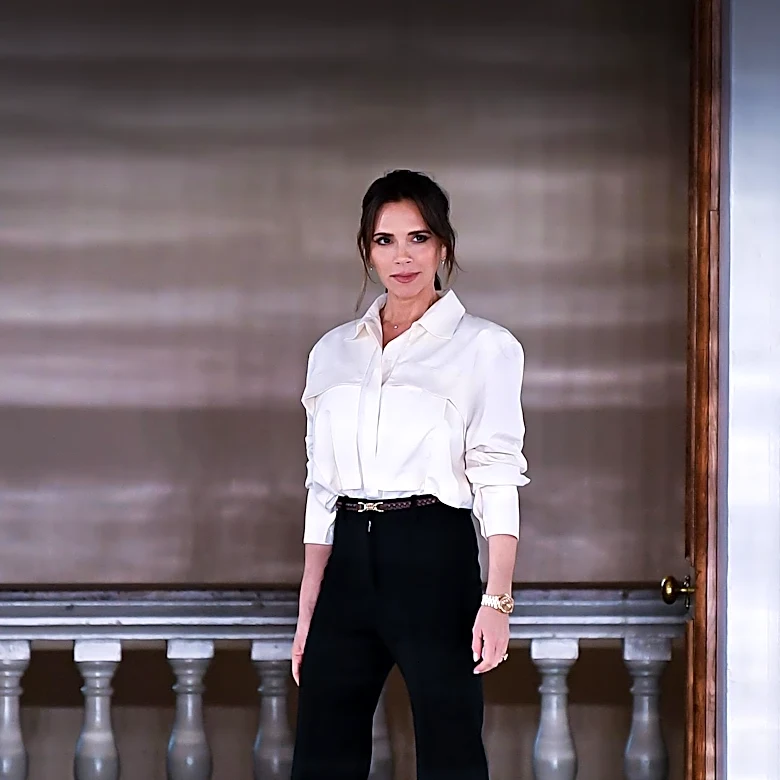
visual impact. Fashion enthusiasts are drawn to plaid for its ability to make garments stand out and express unique personal styles. The pattern adds depth to fabric surfaces through its interwoven horizontal and vertical lines. Designers are refreshing plaid in youthful and energetic ways, aligning it with modern street fashion trends. Examples include cropped tops with symmetrical flap pockets and consistent top-to-bottom plaid ensembles that evoke a nostalgic yet contemporary feel. The versatility of plaid allows for diverse outfit combinations, making it a prominent element in current fashion narratives.
Why It's Important?
The resurgence of the plaid pattern signifies a broader trend in fashion that emphasizes classic elements reimagined for modern aesthetics. This trend is important because it offers consumers a way to express individuality and style through a pattern that is both eye-catching and versatile. For the U.S. fashion industry, the popularity of plaid can influence design cycles, manufacturing decisions, and retail strategies, as brands look to incorporate this pattern into their collections. It also highlights a consumer preference for styles that blend nostalgia with contemporary flair, potentially driving demand for textiles and apparel featuring intricate patterns. The adaptability of plaid across different garment types, from casual wear to more structured pieces, suggests its potential for widespread adoption and commercial success, impacting designers, manufacturers, and retailers alike.
What's Next?
The continued prominence of plaid suggests that fashion designers and brands will likely further innovate with the pattern, exploring new color palettes, textures, and garment applications. We can anticipate seeing plaid integrated into a wider range of clothing items and accessories, potentially with variations like 3D embossed effects or subtle check patterns on diverse backgrounds. Retailers may increase their inventory of plaid-centric collections to meet consumer demand, leading to more diverse offerings in stores. Fashion influencers and stylists are also expected to continue showcasing creative ways to incorporate plaid into everyday wear, further solidifying its status as a key trend. This could lead to a sustained presence of plaid in upcoming fashion seasons, influencing consumer purchasing habits and design directions.
Beyond the Headlines
Beyond its aesthetic appeal, the enduring popularity of plaid reflects a cultural appreciation for patterns that carry historical significance while remaining adaptable to contemporary tastes. Plaid's ability to evoke a sense of nostalgia, reminiscent of 90s fashion or classic styles, while simultaneously feeling fresh and modern, speaks to a broader cultural desire for comfort in familiarity combined with novelty. This trend might also signal a shift towards more textured and visually rich fabrics in fashion, moving away from minimalist designs. Ethically, the production of diverse plaid patterns could encourage innovation in textile manufacturing and sustainable dyeing processes, depending on how brands choose to source and produce these materials. The pattern's versatility also promotes creative expression, allowing individuals to interpret and personalize a widely recognized motif.