





What's Happening?
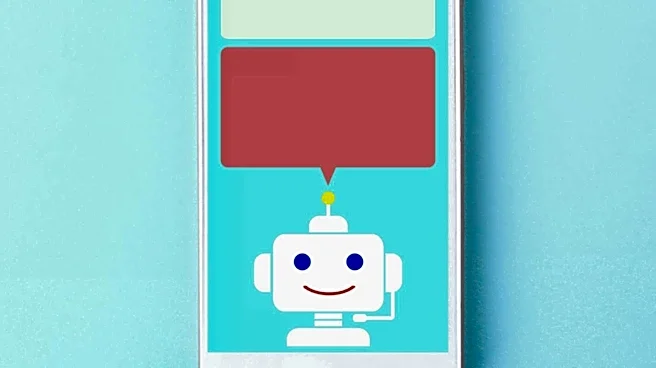
A fundamental distinction exists between chatbots and autonomous AI agents, primarily concerning their architectural design and operational capabilities. Chatbots are characterized as request-response functions, handling single conversations without persistent
identity or memory of past interactions. They receive input, generate an output, and then conclude their task. In contrast, autonomous AI agents are designed to manage tasks over extended periods, coordinate with other systems, and maintain a persistent identity. These agents require an addressable inbox to independently send and receive messages, allowing them to act, wait for responses, follow up, and retain memory of ongoing processes. This architectural difference means autonomous agents can handle complex, multi-step workflows that extend beyond a single interaction, such as processing invoices or managing customer follow-ups, which chatbots are inherently incapable of due to their stateless nature.
Why It's Important?
This distinction is crucial for understanding the capabilities and limitations of AI systems in practical applications. Misinterpreting a chatbot as an autonomous agent can lead to significant architectural problems and operational failures, particularly in business processes requiring sustained interaction and memory. For U.S. businesses, correctly identifying the type of AI system needed can impact efficiency, customer service, and operational reliability. Companies aiming to automate complex workflows, such as supply chain management, customer relationship management, or financial operations, must implement autonomous agents that can maintain context and execute long-running tasks. Relying on chatbot infrastructure for such roles would result in incomplete processes, missed communications, and ultimately, operational breakdowns, affecting productivity and potentially leading to financial losses.
What's Next?
As AI technology continues to advance, the trend is towards developing more capable autonomous agents that can perform complex reasoning and execute tasks with minimal human intervention. This will necessitate the development of robust infrastructure supporting persistent memory, long-running process execution, and genuine external communication capabilities, including dedicated email identities for agents. Businesses and developers will increasingly focus on building systems that can manage tasks spanning multiple sessions, interact with external parties, and independently send and receive messages. The evolution of AI will likely see a greater emphasis on agent-based architectures for sophisticated automation, moving beyond the simpler, stateless interactions characteristic of chatbots. This shift will drive innovation in AI infrastructure and application development, particularly in sectors requiring intricate, multi-stage automated processes.
Beyond the Headlines
The architectural divergence between chatbots and autonomous AI agents highlights deeper implications for how organizations design and implement AI solutions. Beyond mere functionality, it touches upon the very nature of AI's interaction with the real world. Autonomous agents, with their persistent identity and ability to manage long-running tasks, begin to mimic aspects of human-like agency within digital environments. This raises questions about accountability, error handling, and the integration of these agents into existing human workflows. The need for agents to have 'real' email addresses and manage their own communication threads underscores a move towards more independent and integrated AI entities. This evolution could lead to significant shifts in workforce dynamics, requiring new frameworks for human-AI collaboration and oversight, as AI systems become more proactive and less reactive in their operational roles.